
Yazılar

Japanese Prime Minister Fumio Kishida to Resign Amid Scandals and Low Approval Ratings

Japanese Prime Minister Fumio Kishida has announced his decision to step down next month and not seek re-election as leader of the Liberal Democratic Party (LDP), following a series of scandals and declining public support. Kishida, who took office in October 2021, stated that his resignation is necessary to signal a fresh start for the LDP and to advance political reform. The party, which has governed Japan almost uninterruptedly since 1955, has recently been marred by significant controversies including allegations of financial misconduct and election law violations among its influential factions.
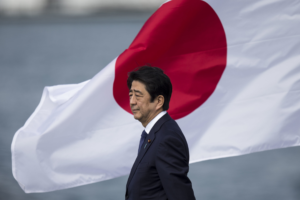
In a press conference, Kishida emphasized the need for transparency and open debate within the LDP, suggesting that his departure is a crucial step in demonstrating the party’s commitment to change. Despite efforts to address the scandals by replacing several cabinet ministers last year, Kishida’s administration has struggled to regain public trust, with a record high 79% disapproval rating in a recent survey.

The scandals have also highlighted the LDP’s controversial connections with the Unification Church, which became publicly scrutinized following the assassination of former Prime Minister Shinzo Abe in 2022. These issues, combined with economic challenges such as the weakening yen and rising living costs, have further eroded confidence in Kishida’s leadership.

Kishida’s resignation comes just a month before the LDP is scheduled to hold its elections, with the exact date yet to be confirmed. His successor will face the challenge of leading Japan, the world’s fourth-largest economy, during a period of economic uncertainty and rising costs. The new leader will also need to navigate Japan’s evolving role in the Asia-Pacific region, where Kishida had strengthened ties with the US and supported Ukraine amid the ongoing conflict with Russia.

Kishida’s decision reflects a broader trend of political turbulence in Japan, where the recent economic and political climate has significantly impacted public sentiment and governance.


 

Young People in China Curb Spending on Romance Amid Economic Struggles

During the prosperous years of China’s economic boom, the Qixi Festival, often referred to as the Chinese version of Valentine’s Day, was marked by lavish spending. Young couples would display their love with extravagant gifts like roses, luxury items, and fancy dinners. However, this year’s Qixi Festival, which took place recently, was a stark contrast to the past, with many lamenting the subdued atmosphere and lack of gift-giving, a reflection of the broader economic challenges facing the country.

Economic Struggles Affecting Consumer Behavior

China’s economy, once a global powerhouse, is now grappling with a range of issues, including sluggish consumer spending, a persistent property slump, and a mounting debt crisis. These challenges are particularly impacting young people, who are now less willing or able to spend on romantic gestures. The hashtag “consumption plummets on Chinese Valentine’s Day. Are young people unwilling to pay the love tax?” became a top trending topic on Weibo, with users expressing disappointment over the festival’s low-key nature compared to previous years.

Many flower shop owners also reported a significant drop in sales, posting images of unsold roses on social media. This anecdotal evidence aligns with the broader trend of weak consumption observed over the past two years, as consumer confidence remains at historic lows.

Impact on Global and Domestic Businesses

The decline in consumer spending is not just a domestic issue; it has significant implications for global businesses that have long relied on China as a key market. Companies like L’Oreal, Volkswagen, and Mercedes have all reported weaker-than-expected performance in China, citing low consumer confidence as a major factor. This trend has raised concerns among multinational corporations about the future of their operations in the country.

The Chinese government, aware of the economic implications, has been trying to encourage marriage and family formation as a way to address falling birth rates and an aging population. However, the economic pressures young people face, such as high debt levels and demanding work hours, have made it difficult for many to consider starting families.

Cultural and Economic Shifts

Qixi, an ancient festival celebrated for thousands of years, has traditionally been a time for both Chinese and Western companies to promote their products. However, the current economic climate has dampened this commercial opportunity. The pessimistic outlook is also reflected in broader economic indicators. For example, imports of jewelry-grade diamonds into China have dropped significantly, and foreign direct investment has declined, highlighting the challenges the country faces in attracting and retaining capital.

In summary, the economic struggles in China are reshaping consumer behavior, particularly among young people, and this shift is being felt both domestically and globally. As the country continues to navigate its economic challenges, the impact on consumer confidence and spending is likely to persist, affecting everything from romantic traditions to broader economic growth.