Yazılar

Sri Lankans Elect Marxist-Leaning Anura Kumara Dissanayake as President to Tackle Economic Crisis

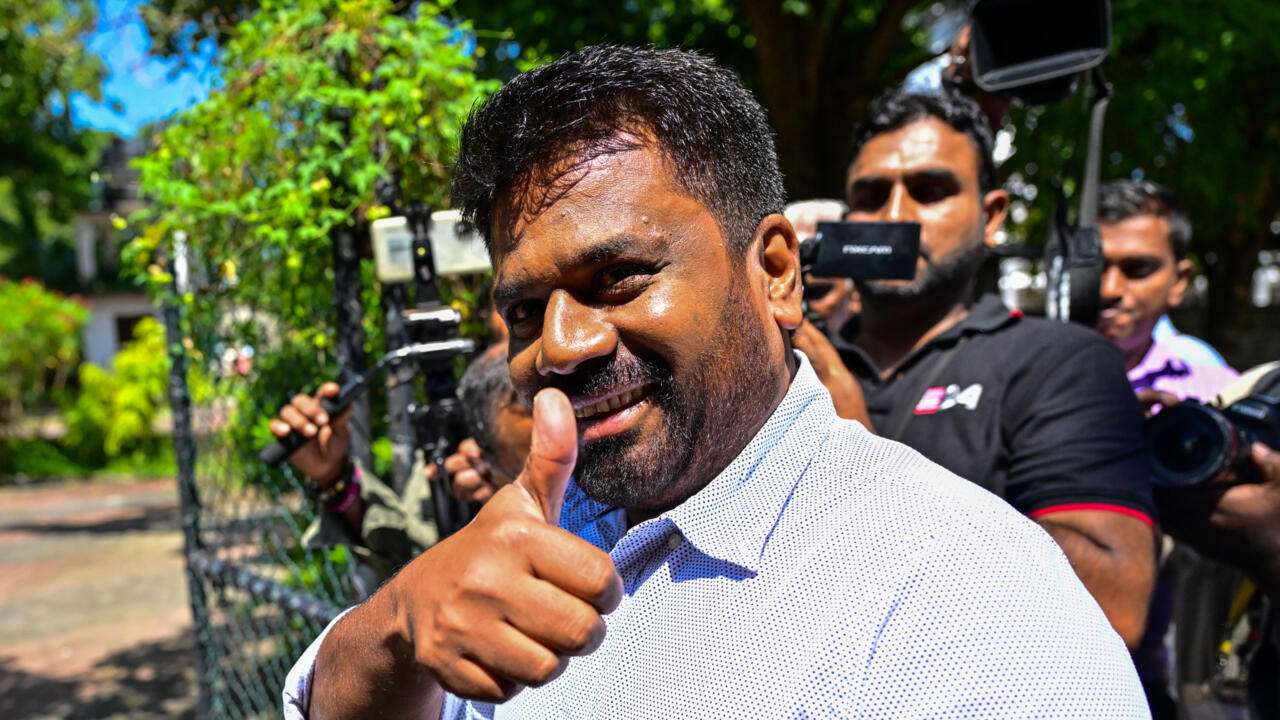
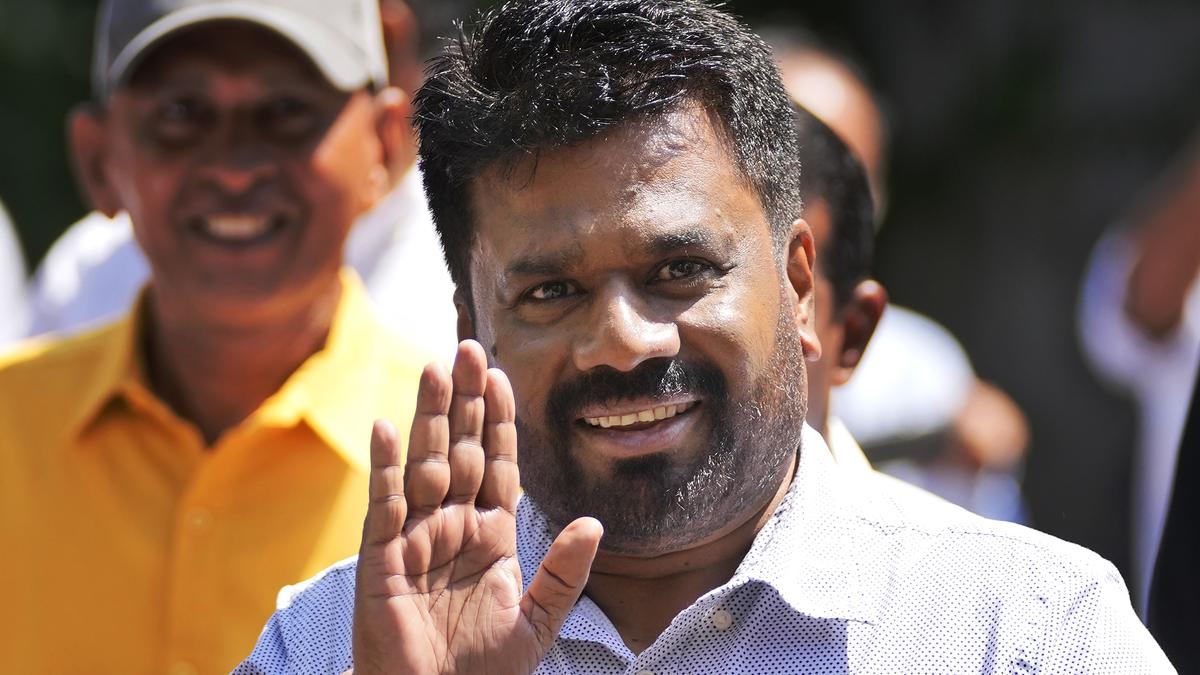
On Sunday, Sri Lankans elected Marxist-leaning politician Anura Kumara Dissanayake as their new president, placing their trust in his pledge to combat corruption and revitalize the economy following the nation’s worst financial crisis in decades. Dissanayake, 55, who lacks the political pedigree of some of his opponents, led throughout the vote count, ousting incumbent President Ranil Wickremesinghe and opposition leader Sajith Premadasa.

“We believe that we can turn this country around, build a stable government, and move forward. For me, this is not just a position; it’s a responsibility,” Dissanayake said after his victory, which was confirmed after a second tally of votes. He garnered 42.3% of the votes, or 5.6 million ballots, a significant surge compared to the 3% he received in the 2019 election. Premadasa finished second with 32.8%, while Wickremesinghe came in third with 17%.

This election was a referendum on Wickremesinghe, who led Sri Lanka through its fragile economic recovery. However, his austerity measures, a cornerstone of the recovery tied to a $2.9 billion International Monetary Fund (IMF) bailout, angered many voters. Wickremesinghe conceded defeat graciously, stating, “Mr. President, here I hand over to you with much love the dear child called Sri Lanka, whom we both love very dearly.”

The election marked the first time in Sri Lanka’s history that a second tally of votes determined the winner, after no candidate secured the mandatory 50% of votes in the first round. Voters cast three preferential votes, and if no candidate wins outright, a second count between the top two candidates decides the outcome. About 75% of Sri Lanka’s 17 million eligible voters participated in the election.
Picture background

The election comes in the wake of a severe economic crisis that left Sri Lanka unable to import essential goods like fuel and medicine in 2022, prompting mass protests and the resignation of then-President Gotabaya Rajapaksa. Dissanayake campaigned as a candidate of change, pledging to dissolve parliament within 45 days and seek a fresh mandate in general elections to implement his policies.

“The election result clearly shows the uprising of 2022 is not over,” said Pradeep Peiris, a political scientist at the University of Colombo. “People have voted in line with aspirations for different political practices and institutions. AKD [as Dissanayake is popularly known] reflects these aspirations, and people have rallied around him.”

Dissanayake’s manifesto, which includes slashing taxes, has concerned some investors, as it could affect the IMF’s fiscal targets and a planned $25 billion debt restructuring. However, he assured voters during his campaign that all changes would be made in consultation with the IMF and that Sri Lanka would remain committed to repaying its debt.

Sri Lanka’s economy has shown signs of recovery, with growth expected this year after three years of contraction, and inflation falling from a peak of 70% to just 0.5%. Despite this, millions of Sri Lankans remain in poverty, and the high cost of living remains a critical issue for many voters. Dissanayake, representing the National People’s Power alliance and his Janatha Vimukthi Peremuna (JVP) party, ran on promises of anti-corruption reforms and increased support for the poor, further boosting his appeal.

His new government must ensure that Sri Lanka stays on track with the IMF program until 2027, to stabilize the economy, attract investors, repay its debts, and lift millions of citizens out of poverty.

“Bad management has been the root cause of this country’s downfall. We strongly believe that if we have a good manager to lead, we can be successful in the future,” said Janak Dias, a 55-year-old real estate businessman.
Leftist Candidate Anura Kumara Dissanayake Leads Sri Lanka Presidential Race Amid Historic Economic Crisis

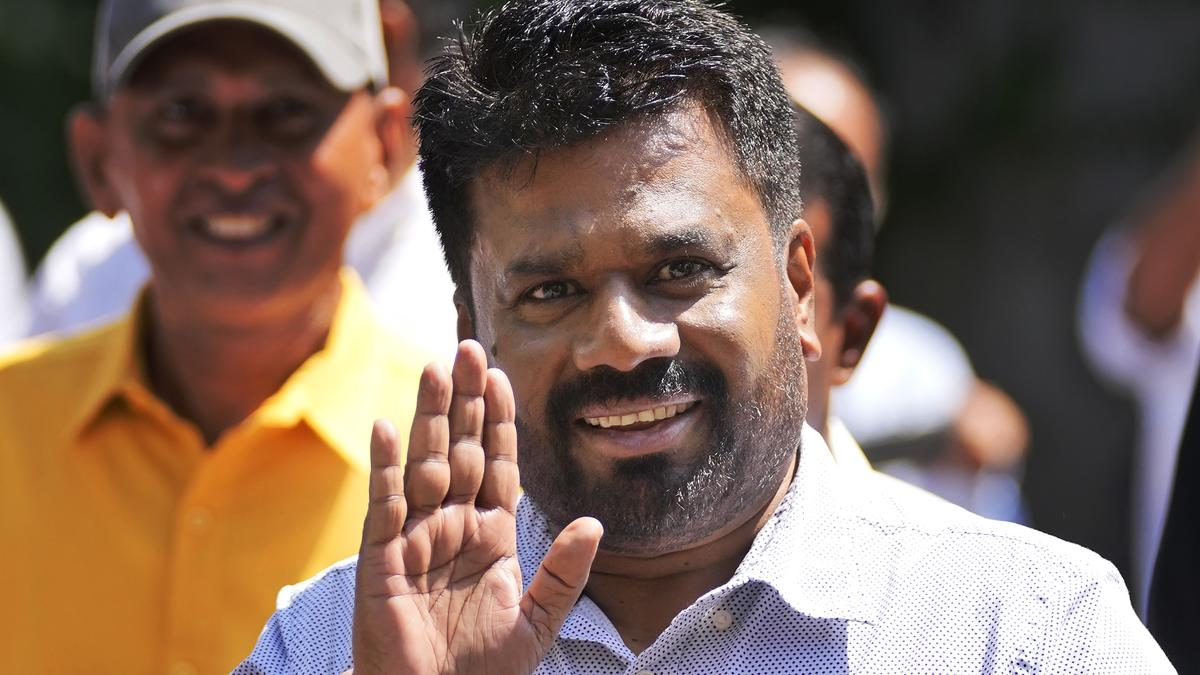
Anura Kumara Dissanayake, a leftist politician and leader of Sri Lanka’s National People’s Power (NPP) party, is leading in the country’s first presidential election since mass protests unseated former leader Gotabaya Rajapaksa in 2022. Early results from the election, held on Saturday, show Dissanayake with 42% of the vote. Opposition leader Sajith Premadasa trails with 32%, while incumbent President Ranil Wickremesinghe has garnered 16%, and Namal Rajapaksa, nephew of the ousted president, is at 3%.

Dissanayake’s anti-corruption platform and promises of good governance have resonated with voters seeking systemic change after Sri Lanka’s devastating economic crisis. Although Dissanayake has not yet secured the required 51% to win outright, supporters of his rivals, including those of Wickremesinghe and Premadasa, have already begun to congratulate him on his apparent victory.

With no candidate having yet reached the necessary majority, Sri Lanka may face a second round of voting. All eight of the country’s previous presidential elections have seen a winner emerge after the first round. This race is considered one of the closest in Sri Lanka’s history, with 17 million citizens eligible to vote.

The election has been described as the most peaceful in the country’s history, but a curfew was imposed late Saturday night for public safety. The new president will face significant challenges, particularly in reviving the economy and addressing the poverty that worsened after the country’s 2022 economic meltdown. Sri Lanka’s foreign currency reserves were depleted, inflation soared to 70%, and public debt hit $83 billion, making everyday essentials unaffordable for many.

Dissanayake’s leadership will be crucial in navigating these economic challenges and addressing the long-standing issues of corruption and mismanagement, which many Sri Lankans blame on the Rajapaksa family’s decade-long rule. Wickremesinghe’s efforts to stabilize the economy through a $2.9 billion International Monetary Fund (IMF) bailout provide some hope, but the strict economic reforms required by the IMF remain contentious.

Sri Lanka continues to restructure its $36 billion foreign debt, with $7 billion owed to China, the country’s largest bilateral creditor.


New Zealand Faces Record Emigration Amid Deepening Cost-of-Living Crisis

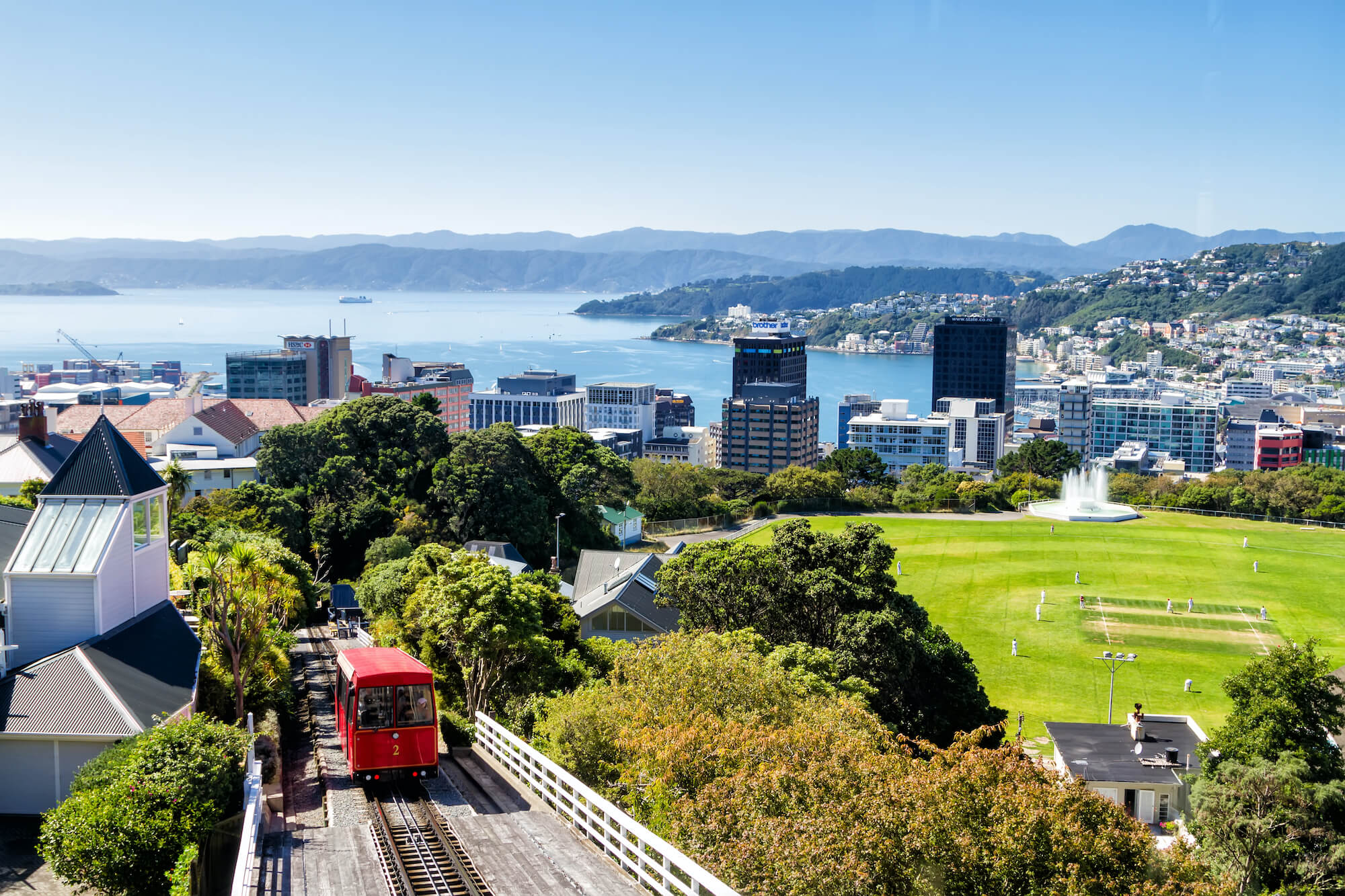
New Zealand, once hailed as a picturesque haven, is grappling with an unprecedented outflow of its citizens, driven by a severe cost-of-living crisis. In the year ending June 2024, a record 131,200 people left the country, with around 80,200 being citizens—an increase of nearly 70% compared to pre-pandemic levels. The exodus is fueled by high living costs, steep interest rates, and rising unemployment, prompting many, like fashion retail manager Wilson Ong, to seek better opportunities abroad. The economic challenges have been compounded by a sluggish recovery from the pandemic, which has heightened demand for overseas experiences among younger New Zealanders. Government data shows that over half of the emigrants were aged 20 to 39, with the highest numbers in the 25 to 29 age group. The economy has been in decline, with job losses affecting the younger workforce, and inflation remains problematic despite a drop from 7.3% in June 2022 to 3.3% in June 2024. Housing affordability remains a critical issue, with mortgage payments consuming between 53% and 57% of income. In contrast, neighboring Australia offers better economic prospects and higher wages, attracting many New Zealanders. Australia’s special visa program and its recruitment drive for Kiwi workers highlight the stark economic disparities between the two nations. Despite efforts to address these issues, such as a recent cut in interest rates by New Zealand’s Reserve Bank, the economic outlook remains bleak, with predictions of worsening conditions before any improvement. The recent shift to a more conservative government has introduced austerity measures, further straining the economy and impacting public and private sector investment.