Yazılar

Sri Lankan President’s Coalition Secures Historic Majority in General Election

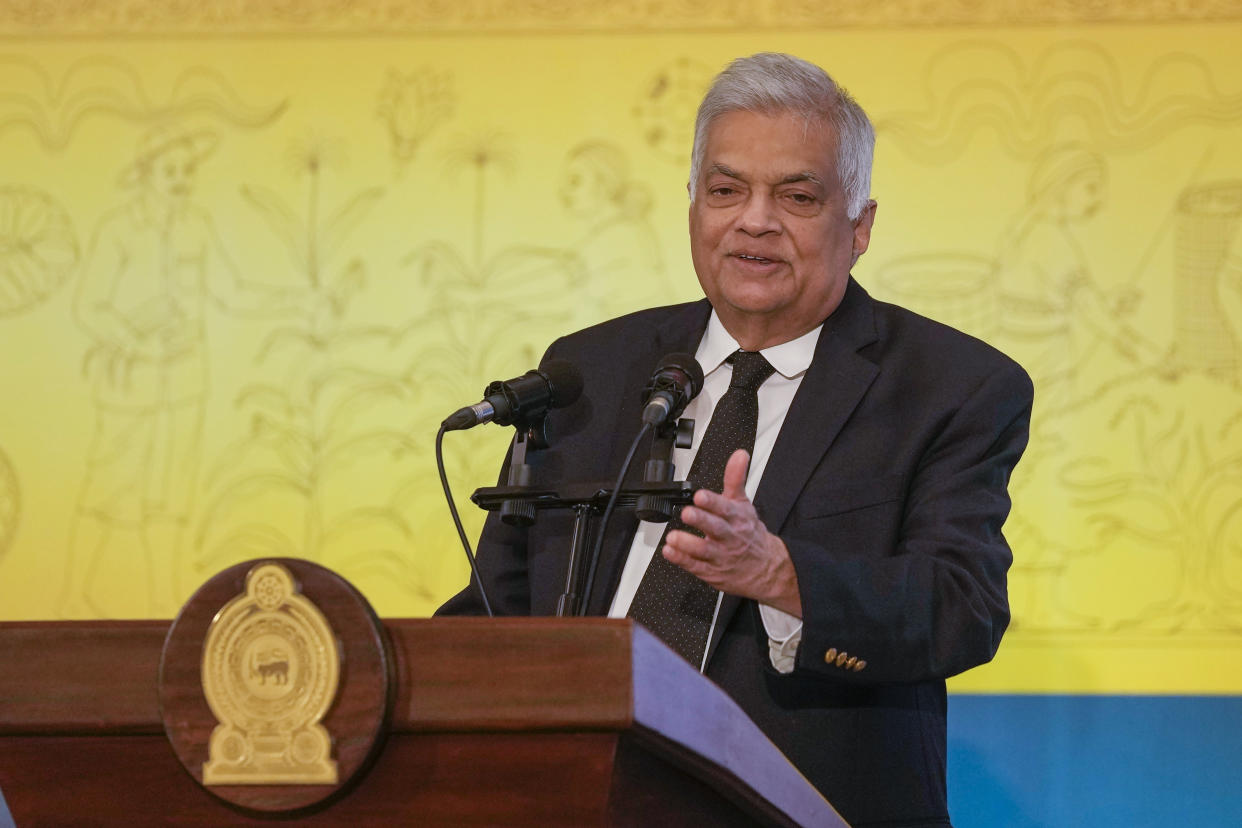
Sri Lankan President Anura Kumara Dissanayake’s leftist National People’s Power (NPP) coalition has won a commanding two-thirds majority in the country’s snap general election. This landslide victory grants the president the authority to pursue his ambitious reforms targeting poverty alleviation, anti-corruption measures, and economic recovery in the wake of a severe financial crisis.

Unprecedented Mandate and Widespread Support

The NPP coalition secured 159 out of 225 parliamentary seats, representing approximately 62% of the vote—an increase from the 42% support Dissanayake received in the September presidential election. This remarkable result includes unexpected backing from Sri Lanka’s northern and eastern regions, home to the minority Tamil population, signaling a unifying call for change across the country.

Analysts describe this as one of the most decisive election victories in Sri Lanka’s history, eclipsing the once-dominant Rajapaksa family’s Sri Lanka Podujana Peramuna party, which was reduced to just three seats. The opposition Samagi Jana Balawegaya party, led by Sajith Premadasa, secured 40 seats, while the New Democratic Front, associated with former President Ranil Wickremesinghe, won five seats.

“This marks a critical turning point for Sri Lanka,” Dissanayake declared, emphasizing the electorate’s support for a shift in political culture initiated during his presidential campaign.

Challenges Ahead: Governance, Policy, and Economic Recovery

Despite the political stability brought by this sweeping majority, the Dissanayake administration faces significant challenges. The coalition’s limited experience in governance raises concerns about its ability to implement complex policies effectively. The new government’s priority will be addressing the high cost of living, reducing taxes, supporting local businesses, and expanding welfare programs.

Dissanayake’s intention to renegotiate aspects of the $2.9 billion International Monetary Fund (IMF) bailout, which has been pivotal in Sri Lanka’s economic recovery, adds to the uncertainty. The president aims to soften stringent tax targets to redirect resources toward welfare programs, a move welcomed by struggling citizens but viewed cautiously by investors.

Economists warn that altering the bailout terms could delay future disbursements, jeopardizing Sri Lanka’s ability to achieve key fiscal targets, including a 2.3% GDP primary surplus by 2025. However, early reactions from the bond market have been modestly positive, with international bonds reaching their strongest levels since late 2021.

Reforming the Executive Presidency

The coalition’s two-thirds majority also grants Dissanayake the power to initiate constitutional reforms, including abolishing the executive presidency—a move he advocated as an opposition leader to curb abuses of power. However, analysts predict that immediate economic challenges will take precedence over constitutional amendments.

Looking Forward

Sri Lanka, still grappling with the aftermath of a historic economic crisis, is at a crossroads. While the electorate has delivered a decisive mandate for change, the path forward requires balancing bold reforms with economic stability.

As Bhavani Fonseka of the Centre for Policy Alternatives aptly noted, “The president has a huge mandate now to carry through the reforms but also huge expectations from the people. Sri Lankans are looking for tangible improvements in their daily lives.”
 

Europe’s Economic Rebound Hindered by Rising Savings Rate and Economic Uncertainty

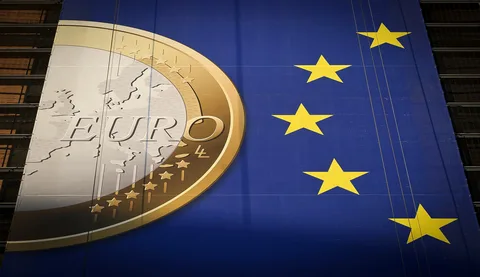
European households are accumulating savings at a significant rate, dampening the expected boost to the economy despite recent income growth. This savings trend, which counters typical consumer spending behavior during periods of income increase, has economists questioning whether a long-term change may be underway, one that could stall Europe’s economic recovery.

Currently, households in the eurozone save an average of 15.7% of their disposable income, a notable rise from pre-pandemic levels of around 12%. This increase has been observed across Europe, including in the UK, where the savings rate is at 10%. By contrast, U.S. consumers have been spending more confidently, with savings rates there declining, driven by confidence in growth.

Some experts believe this savings increase is temporary, motivated by consumers looking to rebuild financial stability after recent high inflation rates. Heightened living costs, energy price volatility, and war in Ukraine have created ongoing financial uncertainty, prompting families to hold more cash as a buffer. Others suggest structural shifts might underlie this trend, with recent crises like the pandemic and geopolitical instability prompting more conservative long-term saving behavior.

Moreover, cautious economic outlooks and fears around climate change, deglobalization, and aging workforces add to consumer hesitation. A survey by the German Savings Banks Association illustrated this sentiment: when asked what they would do with an unexpected 500 euros, most consumers indicated they would save it, reflecting an ingrained cautious outlook that spans both younger and older generations.

Despite a generally slow rise in household spending (just 0.1% in the EU for the last quarter), some positive signs are emerging. Lower interest rates and reduced inflation—now nearing 2%—might encourage consumers to reduce savings and spend more. Meanwhile, labor market stability, characterized by steady demand for skilled workers and manageable vacancy rates, supports consumer confidence. European Central Bank officials have noted these trends, with ECB member Martin Kazaks suggesting that current household confidence could indicate a peak in savings rates.

While Belgium’s central bank governor Pierre Wunsch sees a potential economic recovery beginning by 2025, possibly exceeding expectations, much hinges on whether consumers regain confidence in their financial outlook.


China’s Stimulus May Aid New CEOs at Nike and Starbucks in Global Turnarounds

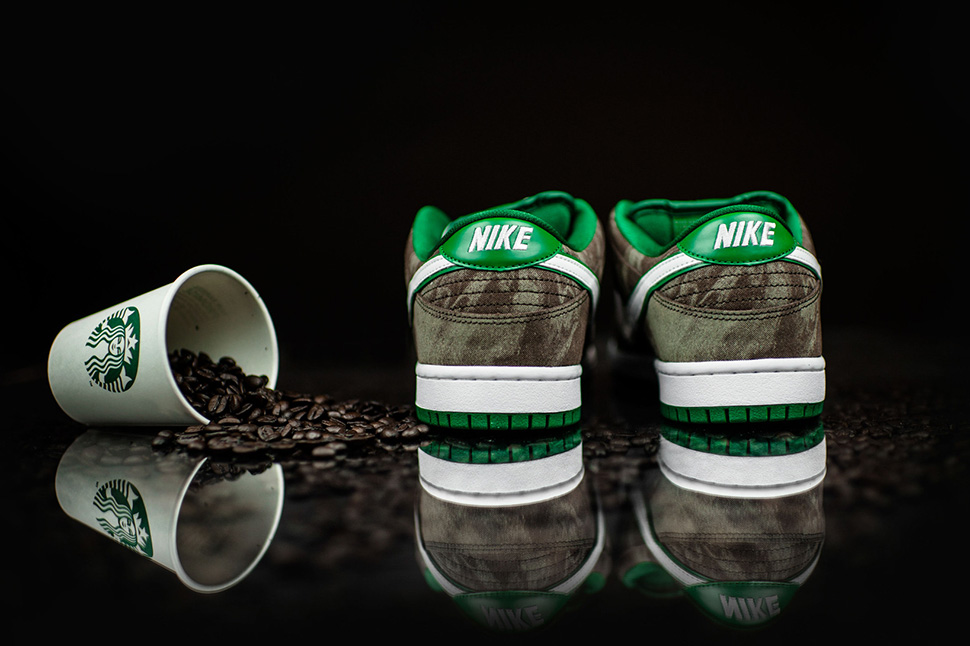
As China’s economic stimulus programs aim to revive consumer spending and growth, they could offer a welcome boost to two recently appointed CEOs in the U.S. who are navigating their own company transformations: Brian Niccol at Starbucks and Elliott Hill at Nike. Both brands have significant exposure to the Chinese market, a key region that has impacted their predecessors’ performance.

According to Bank of America, Nike derives 14.7% of its sales from China, while Starbucks sees 8.6% of its revenue from the region. A recovery in Chinese consumer spending could thus significantly benefit both companies. However, the challenge remains for the new CEOs to capitalize on this opportunity with strong execution in a market where local competition and geopolitical factors have been growing.

China’s Stimulus: A Potential Lifeline?

China’s economic stimulus plans are a critical factor in boosting demand, particularly in the real estate and consumer sectors. Analysts, including UBS’s Hartmut Issel, note that the Chinese government’s efforts are focused on stabilizing the property market and revitalizing consumption. A successful stimulus rollout could spur broader economic growth, benefiting global companies like Nike and Starbucks that depend on Chinese consumer spending.

While Starbucks and Nike are poised to gain from a potential Chinese economic rebound, Bank of America analyst Chen Luo warns that global brands may not enjoy outsized benefits. Chinese consumers are increasingly favoring products based on emotional and functional value, with domestic brands gaining ground. This rise in local competition, alongside growing skepticism toward foreign brands, may dilute the impact of a stimulus on international companies.

The Role of New Leadership

Both Nike and Starbucks have placed China as a strategic priority for growth under their new leadership teams. At Starbucks, Brian Niccol has already initiated changes, including reshuffling the company’s Chinese leadership. Speculation has risen around further restructuring, such as joint ventures with Chinese companies to enhance market presence. However, for Starbucks to regain momentum in China, it will need to address competition from local coffee brands and adjust to evolving consumer preferences.

Similarly, at Nike, Elliott Hill is taking charge as the company maintains a focus on China as a long-term growth opportunity. Despite Matthew Friend, Nike’s CFO, tempering expectations for short-term growth in China, he remains optimistic about the country’s increasing participation in sports, which could boost demand for Nike products.

However, new leadership alone may not be enough to spur significant change. Eric Clark, co-portfolio manager of the Rational Dynamic Brands Fund, noted that Nike’s CEO shift may improve morale but does not guarantee a return to high growth. For Clark, Nike’s future performance hinges on a “reinvigoration of innovation,” particularly in a market as competitive as China.

Skepticism Amid Investor Caution

While stimulus efforts and leadership changes could provide a lift to Nike and Starbucks, many investors are taking a cautious stance. Ellen Hazen, chief market strategist at F.L. Putnam, emphasized that while China’s stimulus is a positive development, its benefits for U.S. brands like Starbucks and Nike remain uncertain.

The skepticism also extends to the broader Chinese economy. The stimulus so far has concentrated on the real estate sector, and there are concerns about whether it will sufficiently boost consumer confidence and spending. The ongoing internal policy shifts and external geopolitical pressures add to the uncertainty surrounding the long-term effects of China’s economic recovery.

Bank of America’s Luo stressed the importance of decisive policy measures to rebuild consumer trust, particularly in the wake of property market turmoil. Without significant and sustained policy action, the benefits of China’s stimulus could fall short of expectations, limiting its impact on global companies with exposure to the region.

The Path Ahead for Nike and Starbucks

Both Nike and Starbucks have underperformed the market this year, as they face divided opinions from Wall Street analysts. While there is optimism around the leadership changes and potential benefits from China’s economic stimulus, the path to recovery remains uncertain.

For investors, patience is key as they await signs of improvement in both companies’ strategies and China’s economy. In the meantime, the new CEOs must focus on strengthening their brands, addressing competitive challenges, and executing well in the evolving Chinese market.