China’s Factory and Service Sector Activity Declines in September
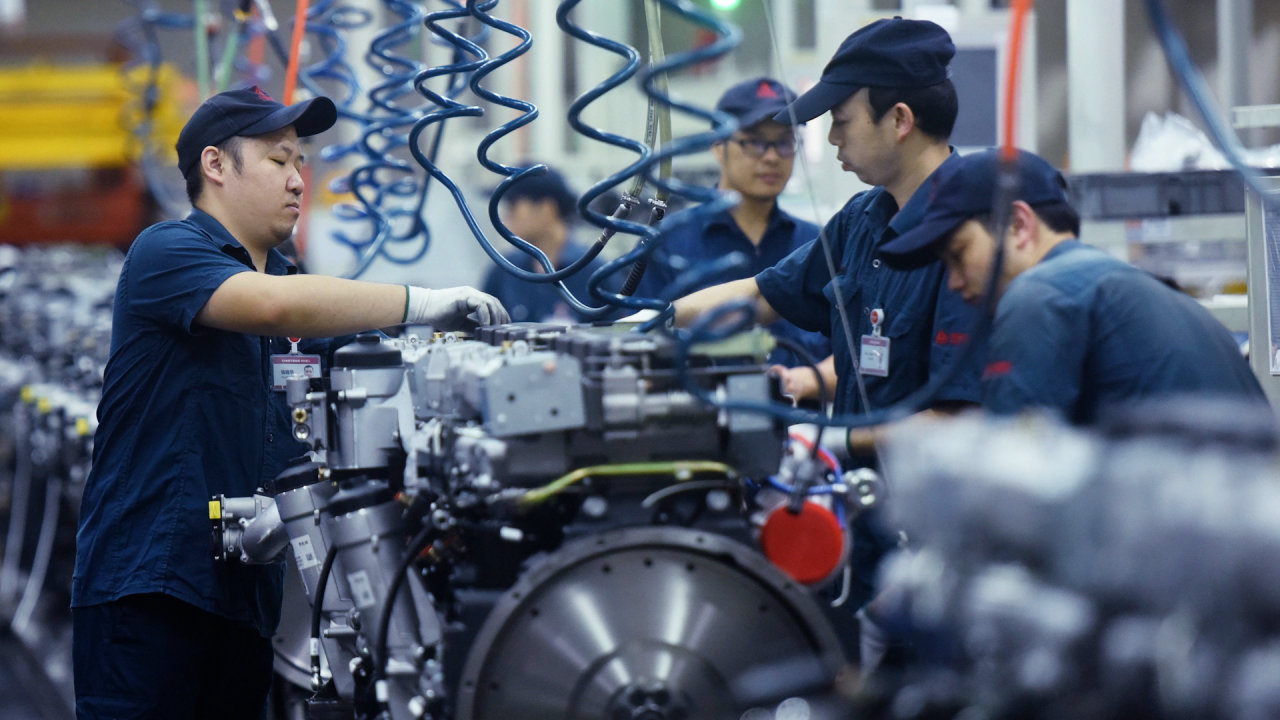
China’s factory activity contracted for the fifth consecutive month in September, and the services sector experienced a sharp slowdown, signaling that more aggressive stimulus measures may be required for Beijing to meet its 2024 growth target. The National Bureau of Statistics (NBS) reported a rise in the Purchasing Managers’ Index (PMI) to 49.8, slightly higher than August’s 49.1, but still below the 50-point threshold that separates growth from contraction. The reading, however, was the highest in five months and exceeded forecasts.
Despite the slight improvement, paired with a weak private-sector Caixin survey and sluggish service PMIs, the data highlighted continued struggles in China’s manufacturing and consumer sectors. Policymakers have acknowledged the emergence of “new problems” in the economy, pushing for more robust stimulus.
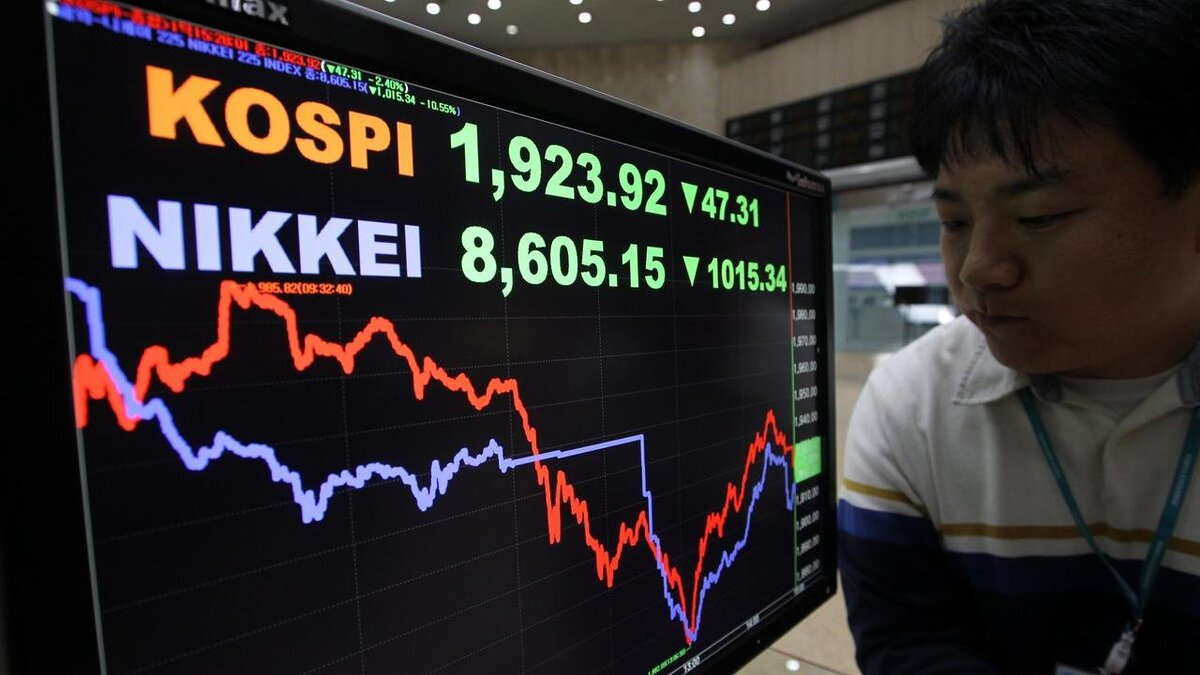
Last week, Chinese authorities launched their most significant stimulus package since the COVID-19 pandemic, leading to a rally in the stock market. The rally continued into Monday as share markets extended their gains. While some positive signs emerged in manufacturing, economists are skeptical about whether recent policy announcements, including loosened property curbs in major cities, will be enough to spur recovery.
Zhiwei Zhang, chief economist at Pinpoint Asset Management, emphasized that while these policies may benefit cities with limited real estate markets, the macroeconomic challenges will require stronger fiscal measures. The central bank, along with the top financial regulator, introduced additional measures on Sunday night to aid the housing market, including plans to reduce mortgage rates on existing home loans by the end of October.
The services sector also showed signs of weakness, with the official services PMI dipping to 49.9 in September, marking its first contraction since December 2022. The Caixin services PMI similarly reflected a slowdown in the sector. Zhao Qinghe, an NBS statistician, attributed this decline to the end of the summer travel season and extreme weather conditions like typhoons in some areas.
In contrast, the official construction PMI saw a slight increase, rising to 50.7 from 50.6 in August. To further support growth, China plans to raise 1 trillion yuan through special bonds to boost consumer goods subsidies and business equipment upgrades. Additionally, another 1 trillion yuan in special debt issuance is planned to help local governments manage their debt.
Efforts to stabilize the property market have also been a focus, with major cities like Shanghai and Shenzhen set to ease home purchase restrictions in the coming weeks. Guangzhou has already lifted all purchase restrictions as of Sunday.
With China’s Golden Week holiday approaching, analysts are now watching for signs of increased consumer spending, particularly in property sales and consumption, which could provide insight into the effectiveness of recent stimulus efforts.