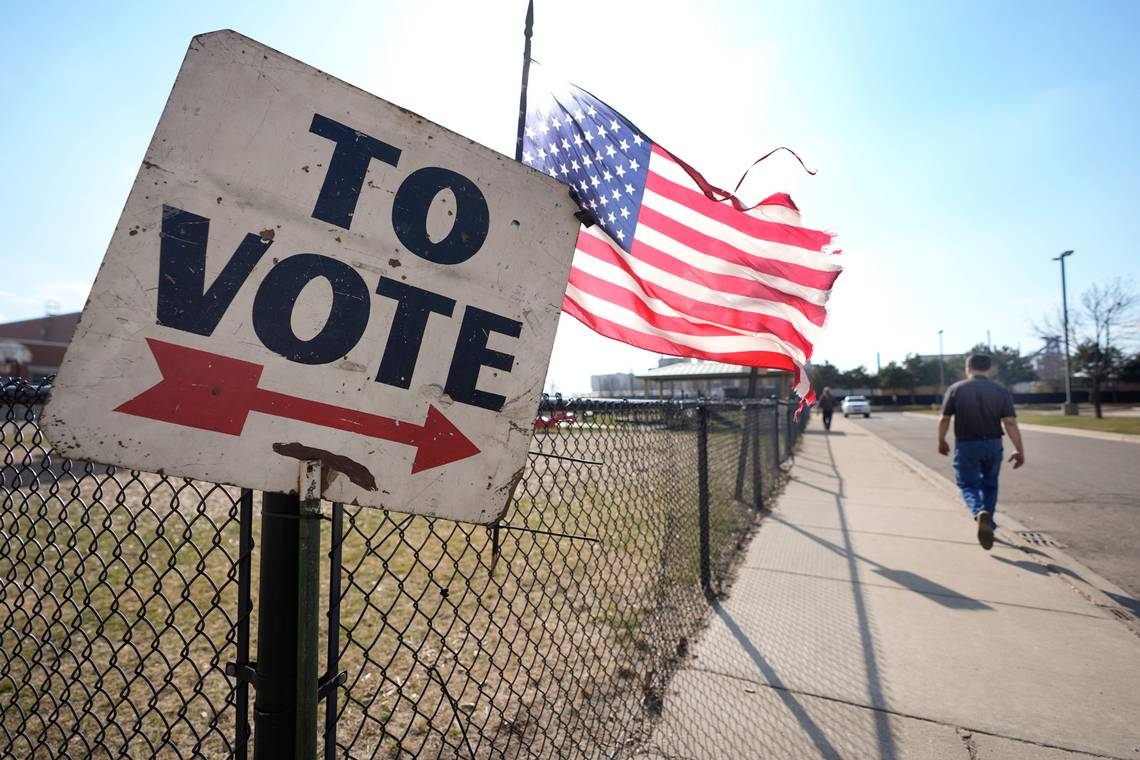
For many Americans, the economy is a defining factor in the 2024 presidential election, with many feeling financial strain despite broader economic stability. Voters like Tiesha Blackwell, a former Biden supporter, say rising costs of essentials like food and rent have pushed them towards Donald Trump. Blackwell, a Michigan resident, noted significant price hikes over the past four years, from doubling rent to costly groceries, despite her income improvements.
Economic Recovery and Persistent Cost Concerns
Though the U.S. economy has rebounded strongly post-COVID-19, with high employment, robust consumer spending, and reduced inflation, the cost of living remains a pressure point for many. Prices on everyday items like rent and groceries are considerably higher than in 2019 due to complex issues beyond direct government control, such as supply chain disruptions, labor expenses, and limited market competition. These rising costs resonate especially with voters in swing states, where a recent Reuters/Ipsos poll revealed that 61% feel the economy is on the “wrong track” and 68% believe the cost of living is still too high.
Divergent Economic Policies: Harris and Trump
Democratic nominee Kamala Harris has proposed measures to counter rising costs, including anti-price gouging policies and expanding the child tax credit, aiming to relieve financial pressures. Trump’s proposals center around tariffs on imports, tax cuts on overtime, and mass deportations. Economists warn that Trump’s tariff and immigration policies could further drive up consumer prices. However, Trump holds an edge on economic issues, with 46% of voters favoring his approach over Harris’s 38% in this month’s Reuters poll.
Michael Strain, an economist at the American Enterprise Institute, sympathized with voters’ frustration over inflation, acknowledging that price hikes feel deeply personal. “I feel like somebody punched me in the face and stole a $20 bill out of my wallet,” he noted, describing the palpable impact of restaurant prices on his budget, even though he is critical of Trump’s tariff strategy.
Blackwell supports Trump’s stance on tariffs, believing they may temporarily increase prices but could ultimately benefit American manufacturing and job security.
Michigan’s Critical Role
Harris has devoted significant campaign resources to Michigan, where Democrats face ongoing concerns about rising costs and local industries. Michigan’s economy is growing, with recent federal investments creating job growth and lowering unemployment to a 20-year low. Yet, concerns linger about electric vehicle transitions impacting the auto industry. Democratic strategist Ameshia Cross emphasized that while the Biden administration has created jobs, high costs are hitting voters hard, particularly on basics like housing and food. “All politics is personal,” she said, highlighting the way voters perceive the economy through their daily expenses rather than job statistics.
Young Michigan residents, like Devin Jones, echo these sentiments, recounting how rising costs forced his family to relocate to Indiana to find affordable housing. In Flint, another Michigander, United Auto Workers member Stu Billey, has seen benefits from his union job, which increased his wage significantly. Despite these gains, he notes that while he will support Harris, enthusiasm for her candidacy does not match that for past Democratic figures like Obama or Biden.
As November 5 approaches, economic concerns remain at the forefront of voters’ minds, making affordability and financial security central themes in a highly polarized election.