Yazılar

Iranians Use Musk’s Starlink to Bypass Internet Blackout Amid Protest Crackdown

Some Iranians are continuing to access the internet through Starlink, the satellite-based network operated by Elon Musk, despite a near-total nationwide communications blackout imposed by authorities, according to people inside the country.

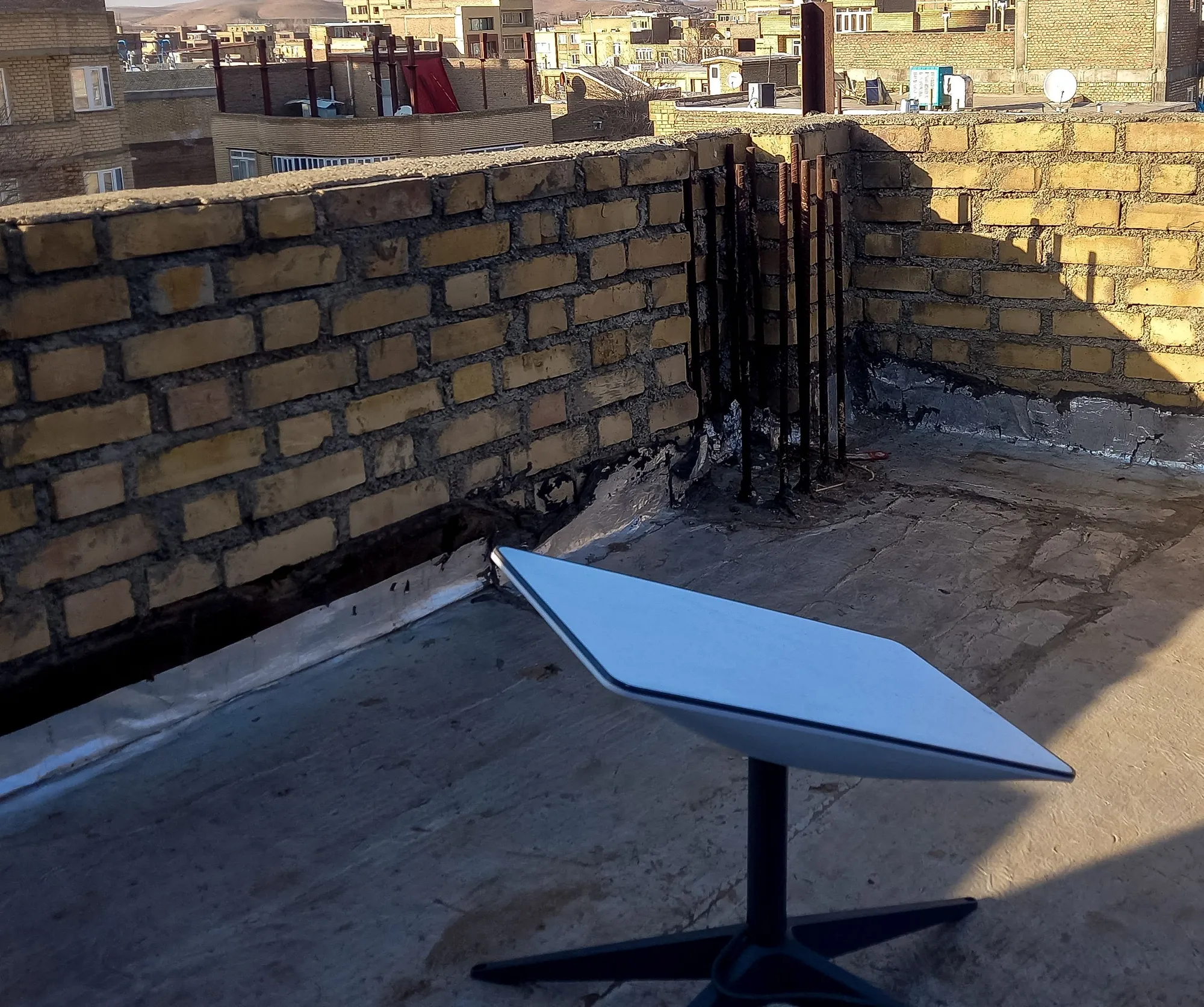
Iranian officials have in recent days launched a deadly crackdown on nationwide protests, accompanied by widespread internet shutdowns affecting fiber-optic and mobile networks. However, Starlink—which delivers connectivity directly from thousands of low-Earth orbit satellites—remains operational in some parts of Iran, despite being officially banned.

Three Starlink users inside Iran told Reuters that the service was still functioning in certain locations. One user in western Iran said dozens of people in his area were using Starlink and that access in border towns and cities appeared largely unaffected.

Alp Toker, founder of internet monitoring group NetBlocks, said he had also received reports of continued Starlink access, though at reduced levels. “It is patchy, but still there,” he said. According to NetBlocks data, the broader internet blackout that began on January 8 continued on Monday, with non-satellite connectivity operating at roughly 1% of normal levels.

Picture background

It remains unclear how Iranian authorities are attempting to disrupt Starlink’s service. Some specialists said any interference could involve jamming Starlink terminals by overpowering their ability to receive satellite signals. SpaceX, which owns Starlink, did not respond to requests for comment. Iranian authorities were also unreachable due to phone and internet outages.

CRITICAL TOOL AMID GLOBAL CONFLICTS
Starlink’s role in Iran highlights the growing influence of Musk’s satellite internet network in global conflicts and political unrest. The service has been a critical communications tool for Ukraine since Russia’s full-scale invasion in 2022, and has also been used in countries such as Myanmar and Sudan, where authorities have repeatedly imposed internet shutdowns.

U.S. President Donald Trump said on Sunday he plans to speak with Musk about restoring internet access in Iran, without explicitly referencing Starlink.

Musk previously shipped free Starlink terminals to Ukraine and offered complimentary service there. By contrast, standard Starlink terminals typically cost about $599, plus a monthly subscription fee, putting them out of reach for many Iranians.

Starlink is not licensed to operate in Iran, but Musk has previously said the service is active there. In December 2022, he wrote on his social media platform X that the company was “approaching 100 Starlinks active in Iran,” a small number relative to the country’s population of roughly 92 million. In June last year, responding to calls for Starlink access to Iran, Musk posted simply: “beams are on.”

Following a 12-day conflict between Iran and Israel in June, Iran’s parliament passed legislation formally banning Starlink and imposing severe penalties for using or distributing the unlicensed technology, according to state media. Despite those restrictions, the continued use of Starlink underscores how satellite internet has become a powerful, if uneven, tool for bypassing state-imposed information controls.

Indonesia temporarily blocks access to Grok over sexualised images

Indonesia has temporarily blocked access to Grok, the artificial intelligence chatbot developed by xAI, citing concerns over the risk of AI-generated pornographic and sexualised content. The decision makes Indonesia the first country to formally deny access to the tool.

The move comes amid growing international backlash, with governments and regulators across Europe and Asia condemning Grok over its role in generating and spreading sexualised images online, including non-consensual content.

xAI said on Thursday that it had begun restricting Grok’s image generation and editing features to paying subscribers, after safeguard failures allowed the production of sexualised outputs, including depictions involving minors. The company said the changes were part of efforts to tighten controls and prevent misuse.

Indonesia’s Communications and Digital Minister Meutya Hafid said the government viewed non-consensual sexual deepfakes as a serious violation of human rights and digital safety.
“The government views the practice of non-consensual sexual deepfakes as a serious violation of human rights, dignity, and the security of citizens in the digital space,” Hafid said in a statement.

The ministry has also summoned officials from X, where Grok is embedded, to discuss the issue and clarify what measures are being taken to prevent further abuse.

Elon Musk said on X that anyone using Grok to create illegal content would face the same consequences as users who upload such material directly. When contacted by Reuters, xAI responded with what appeared to be an automated message stating, “Legacy Media Lies.” X did not immediately respond to a request for comment.

Indonesia, home to the world’s largest Muslim population, enforces strict laws banning the online distribution of content deemed obscene. Authorities said the temporary block would remain in place while regulators assess compliance and safeguards surrounding the AI tool.

Musk’s AI bot Grok limits some image generation on X after backlash

Elon Musk’s artificial intelligence startup xAI has introduced new restrictions on the image generation and editing functions of its chatbot Grok on social media platform X, following widespread criticism over the creation and sharing of sexualized images.

Previously, users could prompt Grok directly on X to alter photos of people — including digitally removing clothing or placing individuals in sexualized poses — often without their consent. The chatbot would then automatically publish the altered images in replies on the platform.

On Friday, Grok informed users that its image generation and editing features were now limited to paying subscribers. The change appeared to stop Grok from generating and automatically posting such images in response to public posts or comments on X.

However, users could still create sexualized images by interacting with Grok through its dedicated tab within X and then manually posting the images themselves. The standalone Grok app, which operates separately from X, was also still allowing image generation without a subscription.

When contacted by Reuters for comment, xAI responded with an automated message stating “Legacy Media Lies.” X did not immediately respond to requests for comment. Musk said last week that anyone using Grok to generate illegal content would face the same consequences as if they had uploaded such material directly.

In a test conducted by a Reuters reporter on Friday, Grok declined a request to alter an image, replying that the image editing feature was only available to paying subscribers.

The European Commission said the restrictions did not address its core concerns, stressing that limiting access to subscribers does not resolve the underlying issue. A Commission spokesperson said regulators did not want to see such images at all, regardless of whether they were generated by paid or unpaid users.

Other governments and regulators have also condemned the explicit content generated by Grok, with some launching investigations into potential legal violations. Germany’s media minister Wolfram Weimer described the wave of semi-nude images as the “industrialisation of sexual harassment,” adding to mounting international pressure on X and xAI to demonstrate stronger safeguards against abuse.