Cuban Power Grid Faces Collapse as Hurricane Oscar Approaches
Cuba is grappling with widespread power outages as Hurricane Oscar hits the eastern region, compounding the challenges faced by millions of residents who have already endured days without electricity. The latest blackout marks the fourth collapse of the nation’s electric grid since Friday, disrupting daily life and prompting protests.
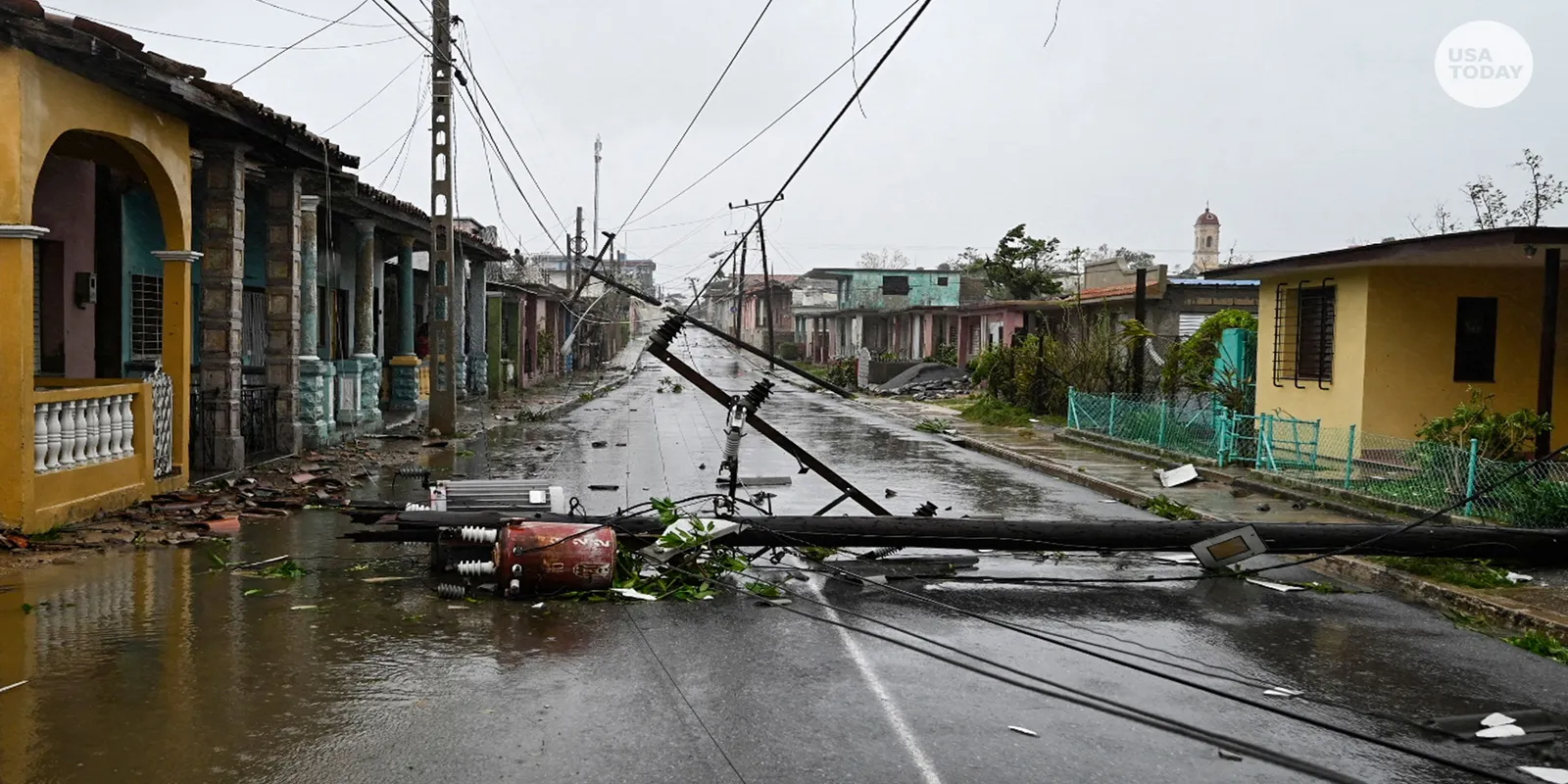
Oscar made landfall near Baracoa on Sunday afternoon as a Category 1 hurricane, bringing sustained winds of 80 mph. By nighttime, it weakened to a tropical storm, moving west-southwest at 6 mph. The National Hurricane Center (NHC) warned of significant rainfall, predicting 6 to 12 inches across eastern Cuba and isolated amounts reaching 18 inches.
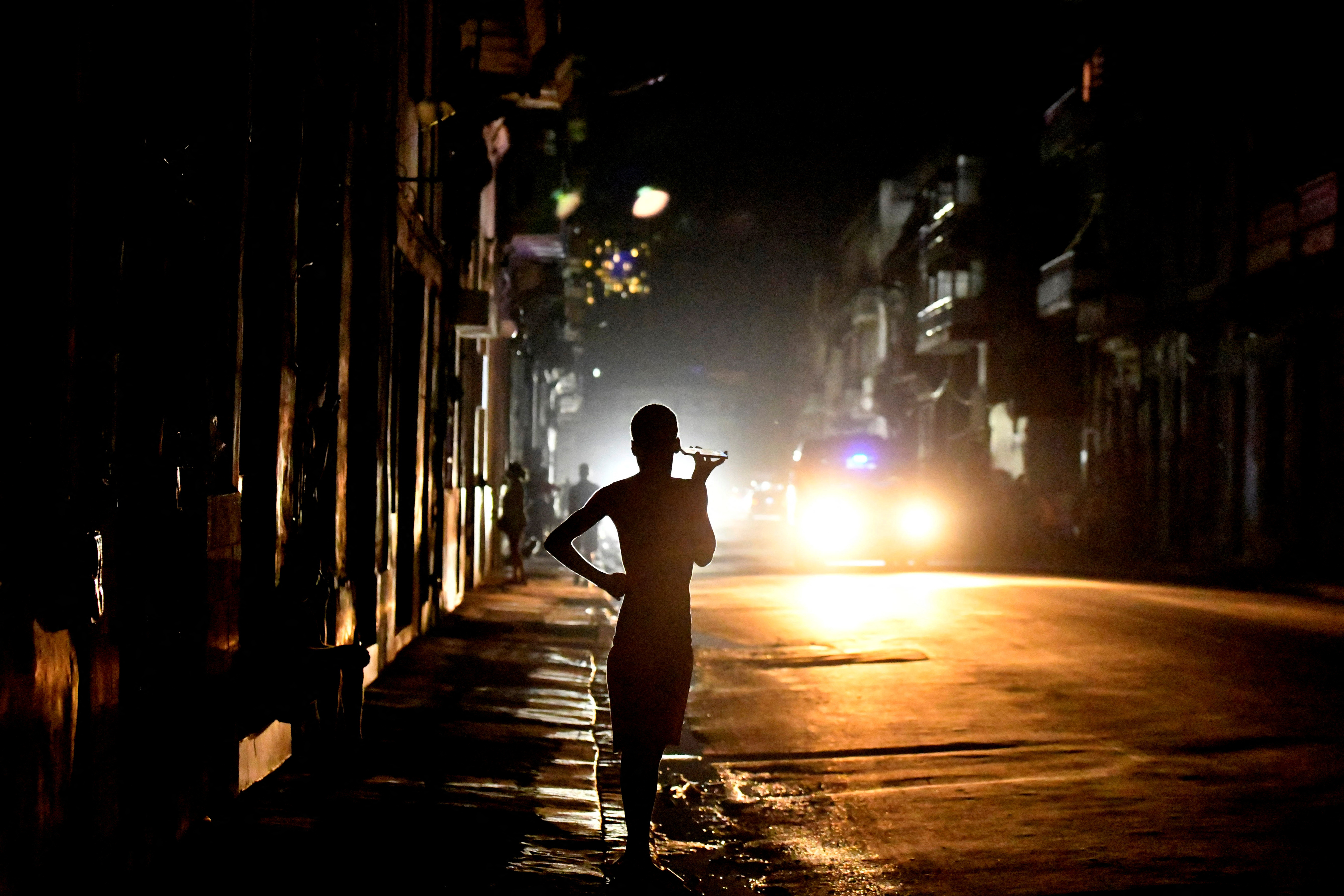
In Havana, where more than 216,000 residents had power restored earlier in the day, darkness fell again, leaving many outdoors in the sweltering heat. Children are opting to sleep outside, while schools have been closed until Thursday due to the conditions. With the heat becoming unbearable indoors, people gathered in the streets, some playing dominoes to pass the time.
Protests erupted as frustrations mounted over the prolonged blackout, with demonstrators banging pots and pans. Cuban President Miguel Diaz-Canel condemned the protests as acts of vandalism, asserting the government would not tolerate disruptions to public order. The energy crisis began last Friday when a major power plant failed, plunging the 10 million-strong nation into darkness and causing hardships in accessing food and water.
As residents queued for bread in the capital, many expressed anger over the ongoing power issues and questioned the absence of support from traditional allies like Venezuela and Russia, who have historically provided oil to sustain the island’s energy needs.
Despite the challenges, tourists continued to navigate Havana’s streets, although many hotels struggled due to fuel shortages for their generators. José Martí International Airport was reported to be operating on emergency power, with significant disruptions to services.
In response to the crisis, the Cuban government has canceled classes for students and advised non-essential workers to remain at home. Prime Minister Manuel Marrero Cruz acknowledged the severity of the situation, noting that economic activities had been curtailed to prioritize power generation for the populace.
Health Minister José Angel Portal Miranda reassured that medical facilities were functioning on generators, with health workers continuing to deliver essential services despite the overwhelming challenges posed by the dual crises of Hurricane Oscar and the energy crisis.