Yazılar

Trump’s EV rollback rattles America’s Battery Belt economy

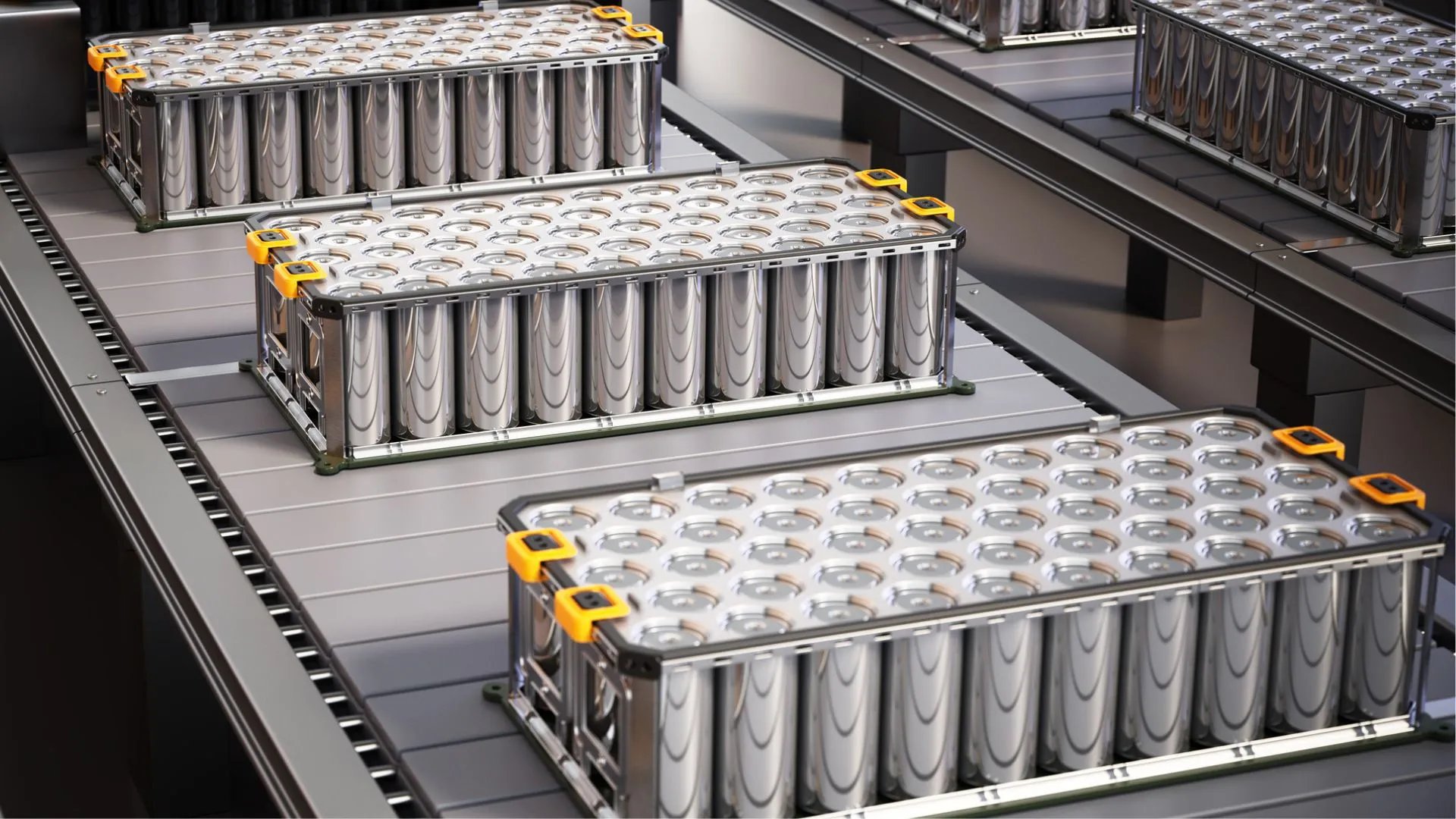
The U.S. Battery Belt — a stretch of billion-dollar electric vehicle and battery factories from Georgia to Indiana — is feeling the shockwaves of President Donald Trump’s EV policy shift, as automakers delay projects and rural communities brace for economic fallout.

In Stanton, Tennessee, population 450, Ford’s vast EV truck and battery complex once promised 6,000 jobs and a revival of the local economy. But after repeated delays, initial production has been pushed back to 2027, two years later than planned. Former mayor Allan Sterbinsky said locals now worry Ford might abandon or repurpose the 3,600-acre site entirely.

The slowdown reflects waning U.S. demand for electric cars after Trump allowed a $7,500 EV tax credit to expire on Sept. 30, a move Ford’s CEO Jim Farley warned could halve electric car sales. Analysts say this and other anti-EV measures have jeopardized projects across the South and Midwest.

A Reuters review of U.S. battery-investment plans found that even if all planned plants go forward, the country could face a glut of capacity. By 2030, factories could produce batteries for 13–15 million EVs, while demand may cover only a quarter of that, or about 3 million units, according to Benchmark Mineral Intelligence.

Some excess output could be redirected to hybrids or energy storage, but experts warn many facilities may go underutilized. “Much of what was originally going to benefit from these credits now no longer can,” said Jennifer Stafeil of KPMG.

Still, some companies press ahead. Hyundai’s $12.6 billion EV and battery complex in Georgia remains on track despite a federal investigation delay, and will employ 8,500 workers by 2031, according to local officials.

For towns like Stanton, however, the optimism of the EV boom has faded into uncertainty. “That’s on everybody’s mind,” said Sterbinsky. “We built our future around this.”
Constellation Shifts Focus to Grid-Connected AI Data Center Projects Amid Regulatory Scrutiny

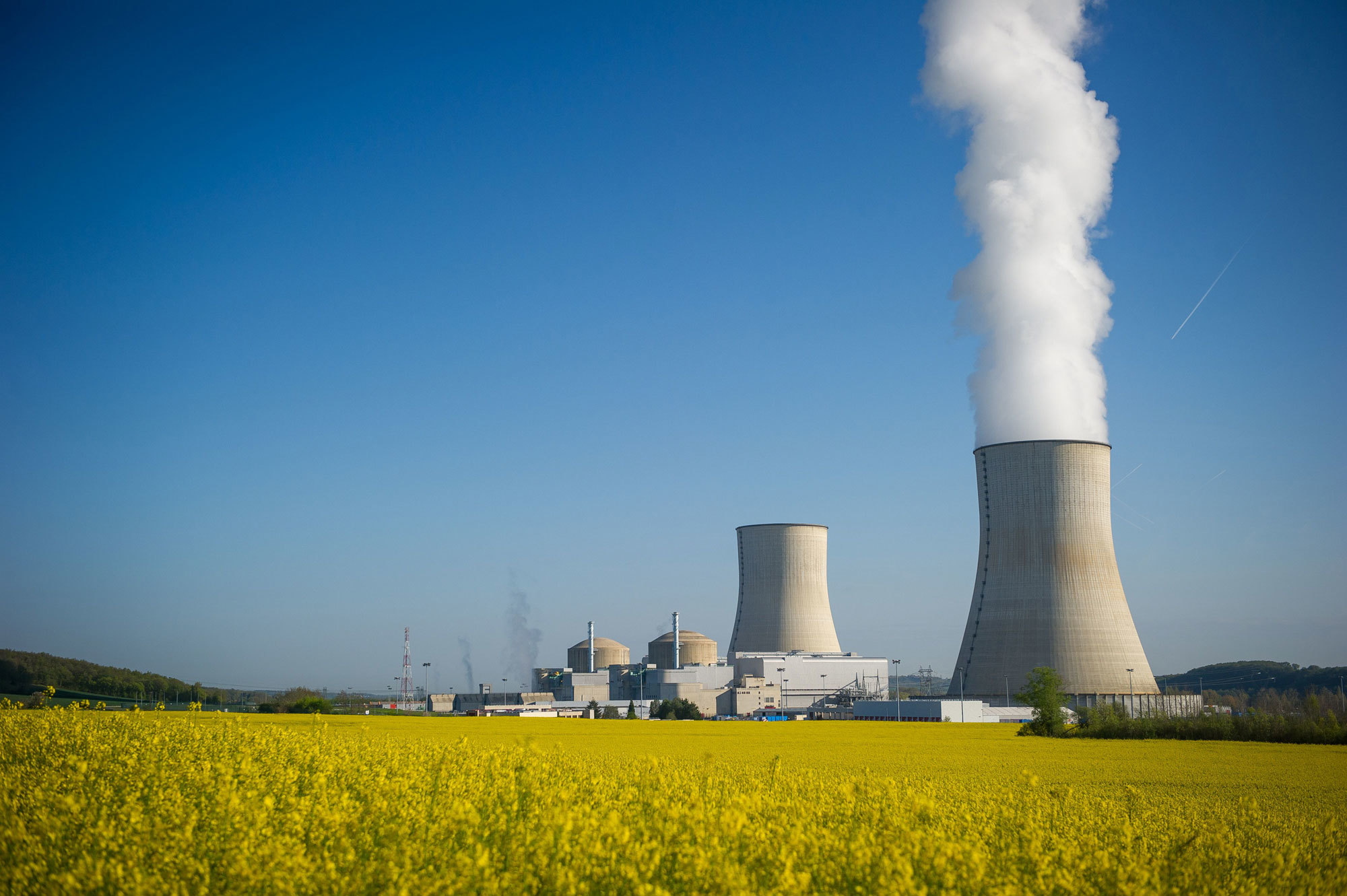
Constellation Energy is shifting its strategy for supplying power to AI-driven data centers, now prioritizing grid-connected projects over previously favored direct (co-located) connections to its nuclear power plants, the company said Tuesday.

This pivot comes in response to growing regulatory pressure and industry concerns about the potential grid reliability issues and rising consumer energy costs linked to large-scale co-located data center developments.

On-grid sales are increasingly attractive to us and to our customers,” said Constellation CEO Joseph Dominguez during a call with investors. However, he added that behind-the-meter configurations”where data centers are directly connected to power plants—may still be viable in certain cases.

Constellation, the largest operator of nuclear plants in the U.S., had previously proposed co-located data center developments at several of its reactor sites. But the approach came under scrutiny from the Federal Energy Regulatory Commission (FERC), particularly after a proposed expansion of an Amazon data center at a Talen Energy nuclear facility faced regulatory rejection.

FERC is currently evaluating new rules regarding such off-grid, single-customer arrangements to better manage power flow and protect ratepayer interests.

As the demand for electricity to power AI infrastructure skyrockets, utility firms like Constellation are adapting to meet needs while staying aligned with evolving regulatory frameworks and grid integrity standards.

Trump Plans Oil Tariffs by Feb. 18, May Lower Rate for Canada

U.S. President Donald Trump announced on Friday that his administration plans to impose tariffs on oil and gas imports by February 18, with a potential reduction in the levy for Canadian crude. While Trump did not specify which countries would be targeted, he suggested that the tariff on Canadian oil might be set at 10%, down from the previously mentioned 25%.

The U.S. imports approximately 4 million barrels of oil per day from Canada, with about 70% refined in the Midwest. Analysts and industry leaders have warned that tariffs on imported oil could disrupt supply chains, lower fuel production, and drive up consumer prices. Many U.S. refiners, including Valero and Phillips 66, depend on heavier crude grades from Canada and Mexico, which their facilities are designed to process.

Phillips 66 has indicated that the tariffs could initially divert Canadian oil away from the U.S. market, while Valero, the country’s second-largest refiner, has been preparing contingency plans. HF Sinclair and Par Pacific Holdings, which also have significant exposure to Canadian crude, are closely monitoring developments.

Industry experts are awaiting further details on Trump’s tariff strategy, particularly its impact on U.S. refining operations and fuel prices.