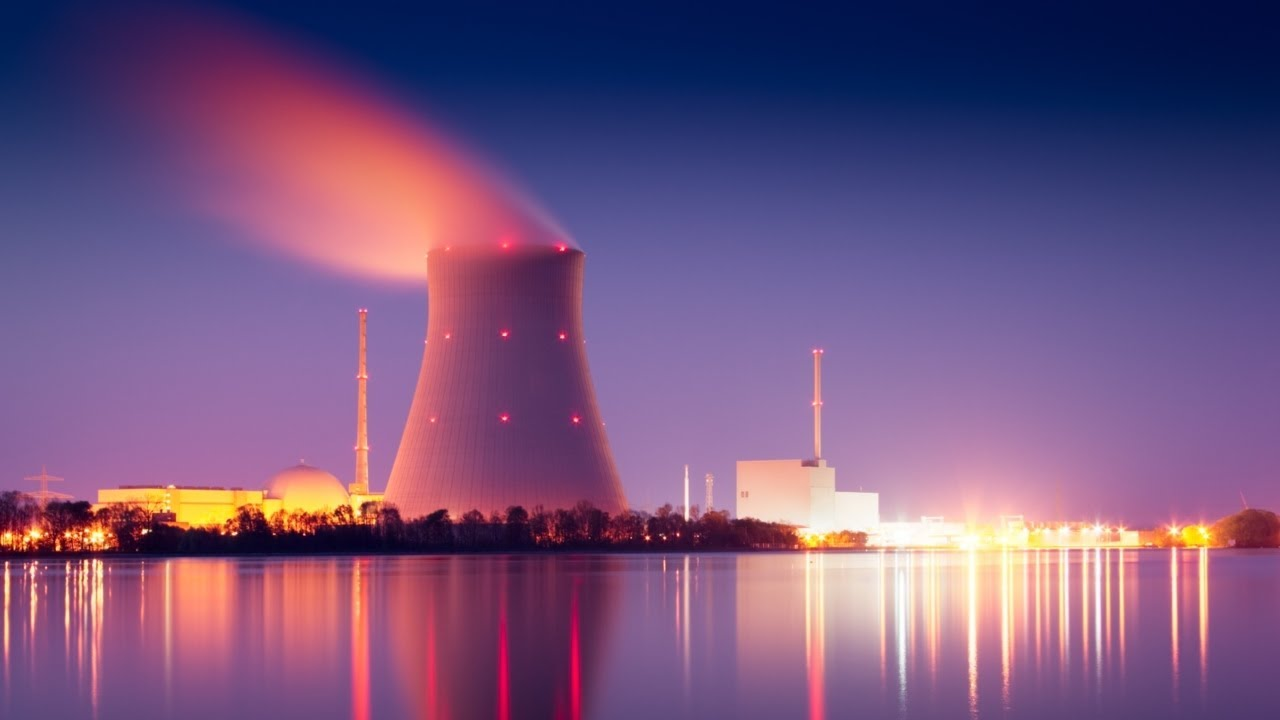
Is Nuclear Power Experiencing a Revival?
Overview
Once overshadowed by safety concerns, cost overruns, and waste disposal issues, nuclear power is now experiencing a resurgence in global interest. With investments from tech giants like Microsoft, Google, and Amazon, coupled with growing urgency to reduce carbon emissions, the nuclear sector appears poised for a potential revival. However, significant hurdles remain, including high costs and public skepticism.
Historical Context and Setbacks
In the mid-20th century, nuclear energy was heralded as a revolutionary technology capable of delivering vast amounts of energy with minimal fuel. However, high-profile accidents like Chernobyl (1986) and Fukushima (2011) eroded public confidence, leading to widespread opposition. Countries such as Germany phased out nuclear energy entirely, and the global nuclear generation capacity declined, losing 48GW between 2011 and 2020.
Resurgence Driven by Modern Challenges
Recent years have seen a renewed focus on nuclear power due to:
- Climate Goals: Countries striving to meet Paris Agreement commitments are reevaluating nuclear energy as a reliable, low-emission power source.
- Energy Security: Russia’s invasion of Ukraine and global energy crises have highlighted the need for secure, domestically controlled energy sources.
- Tech Industry Demands: The rise of AI and data centers, which require constant electricity, has led companies like Microsoft and Google to invest in nuclear power.
For instance, Microsoft has signed a deal to restart Pennsylvania’s Three Mile Island reactor, while Google and Amazon are exploring Small Modular Reactors (SMRs) to meet their energy needs.
Technological Innovations
Small Modular Reactors (SMRs):
SMRs are emerging as a potential game-changer, offering a more affordable and scalable alternative to traditional reactors. These reactors are smaller, quicker to construct, and can be deployed closer to where energy is needed. However, while SMRs are still in the developmental stage, with over 80 designs being explored globally, none have yet proven commercially viable.
International Expansion:
- China: Increased its nuclear capacity from 13 reactors in 2011 to 55 today, with 23 more under construction.
- France: Reversed plans to reduce nuclear reliance, now aiming to build up to eight new reactors.
- South Korea: Abandoned its nuclear phase-out plans in favor of expansion.
Additionally, at COP29, the U.S., UK, and 29 other nations committed to tripling their nuclear capacity by 2050, emphasizing its role in combating climate change.
Economic and Safety Concerns
Despite its promise, nuclear energy faces significant barriers:
- Cost Overruns: Projects like Hinkley Point C in the UK and Plant Vogtle in the U.S. have suffered delays and budget overruns, highlighting the financial risks of large-scale nuclear investments.
- Radioactive Waste: Safe disposal of nuclear waste remains unresolved. While Finland has developed a geological disposal facility, most countries have yet to implement such solutions.
- Public Skepticism: Fear of accidents and environmental risks continues to polarize opinions.
Diverging Views
Supporters’ Perspective:
Proponents argue that nuclear power is indispensable for achieving net-zero emissions. Rod Adams, founder of Nucleation Capital, points to its reliability, low operational costs, and safety record as key advantages.
Critics’ Concerns:
Opponents like Professor M.V. Ramana argue that nuclear energy is prohibitively expensive and not as clean as advertised. They advocate for investment in cheaper renewable sources like wind and solar to achieve greater emission reductions per dollar.
The Road Ahead
While nuclear power is seeing a renewed push globally, its future hinges on overcoming cost challenges, proving the viability of SMRs, and addressing the long-term issue of waste disposal. As the world grapples with climate change and energy security, nuclear power may play a pivotal role—if it can meet these challenges.