Yazılar

Terabase Energy Secures $130 Million to Expand Solar Technology Deployment

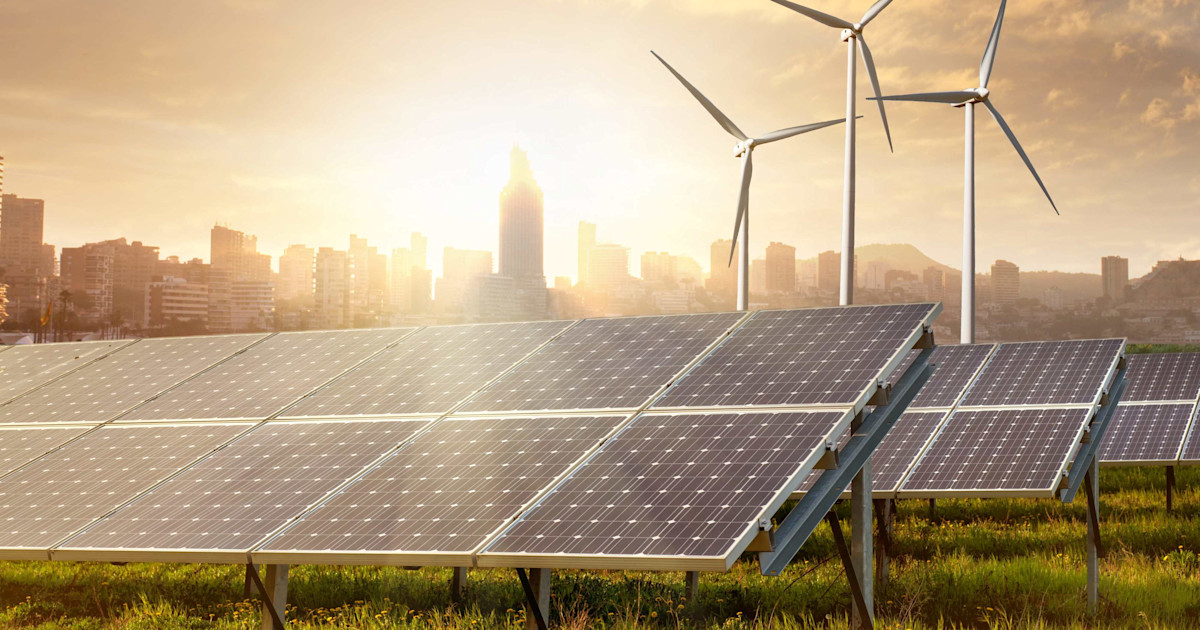
Terabase Energy, a company specializing in solar technology, announced on Thursday that it has raised $130 million in funding, led by SoftBank, to scale its operations and expand the deployment of its solar technology for large projects. This funding round is the largest in the company’s history, bringing its total funding to $200 million. While the company did not disclose its valuation during this round, the investment highlights strong investor confidence in its future.

Despite solar and energy storage accounting for 84% of new electricity generation capacity added to the U.S. power grid in 2024, the sector is facing challenges due to new U.S. energy policies that continue to support fossil fuels. Additionally, venture funding in the U.S. has been relatively quiet in early 2025, with a few AI-focused companies capturing most of the spotlight.

Terabase Energy’s platform collaborates with solar power plant developers, engineers, and construction firms, streamlining processes through workflow digitalization and automation. The company plans to use part of its new funding to enhance its robotics-assisted assembly line, Terafab, designed to alleviate “bottlenecks in construction speed and workforce limitations.”

In addition, Terabase operates PlantPredict, a solar modeling software, and Construct, a construction management platform. Kentaro Matsui, managing partner at SoftBank Global Advisers, highlighted that the surge in energy demand, particularly from AI data centers, underscores the need for scalable and sustainable solutions.

SoftBank, which is known for financing early-stage technology companies, also supported Terabase through its Vision Fund 2. Other existing investors in the company include Breakthrough Energy Ventures, Fifth Wall, SJF Ventures, and EDP Ventures.

Panasonic Boosts Battery Unit Outlook, Unveils Profitability Reform Plan

Panasonic Holdings has raised its full-year earnings forecast for its energy division, which supplies batteries to Tesla, citing strong sales of energy storage systems and improved profitability at its U.S. battery plant. The revised outlook increases the segment’s expected earnings by 14% to 124 billion yen ($798.35 million), following a 39% rise in operating profit during the third quarter.

The company also announced a new management reform plan, aiming to boost group profitability by over 300 billion yen ($1.93 billion) and achieve a return on equity above 10% by the fiscal year ending March 2029. It plans to improve profitability by 150 billion yen by fiscal 2026 and another 150 billion yen by fiscal 2028.

Panasonic’s energy unit benefited from higher sales of energy storage systems and lower material costs, offsetting an overall decline in automotive battery sales. Reduced production in Japan and increased costs related to a new U.S. battery plant and a renovated facility in Japan’s Wakayama prefecture impacted operations.

Expanding its North American footprint, Panasonic Energy currently operates a battery plant in Nevada supplying Tesla and is set to open a second U.S. facility in Kansas this year. The segment reported third-quarter operating income of 42 billion yen ($270.46 million).

Despite industry-wide concerns over slowing EV demand, Panasonic has retained its full-year profit forecast of 380 billion yen for the entire group. It continues to compete with major Asian battery makers, including China’s CATL and South Korea’s LG Energy Solution, the latter of which recently announced plans to cut capital expenditure by up to 30% due to weakening EV demand.


Washington’s Move Against CATL Could Pose Challenges for Tesla’s Future

Washington’s recent designation of CATL (Contemporary Amperex Technology Co. Ltd.) as a company linked to China’s military could complicate Tesla’s operations and its relationship with the U.S. government. CATL, the world’s largest battery manufacturer, supplies lithium iron phosphate (LFP) batteries to Tesla, particularly for its Shanghai factory, which is Tesla’s largest manufacturing site. The U.S. automaker exports vehicles equipped with CATL batteries to international markets such as Europe and Canada.

The U.S. Department of Defense’s designation of CATL and other Chinese companies, including Tencent Holdings, raises concerns about the potential security risks associated with doing business with these companies. Although the designation itself does not impose direct restrictions on CATL’s operations, it could harm the reputation of the company and create additional pressure on U.S. entities, like Tesla, that rely on CATL’s products.

Tesla is in the midst of finalizing a deal with CATL to license battery production technology for a new facility in Nevada, expected to begin operations in 2025. The two companies are also in talks about expanding their collaboration for Tesla’s Megapack energy storage product. Despite the designation, no immediate impact on Tesla’s operations is expected, but the growing political tension over China’s military connections could raise questions for businesses considering future partnerships with CATL.

Morningstar analyst Seth Goldstein suggests that while Tesla is likely to continue its partnership with CATL due to the strategic importance of these ties to China, the situation is complex. Lawmakers’ pressure on U.S. utilities, such as Duke Energy, to phase out CATL products could encourage caution among other businesses. Goldstein points out that cutting ties with CATL could have more severe political repercussions in China than any consequences within the U.S.

The U.S. government’s stance on Chinese military connections has been gaining momentum, with recent legislative measures that could prevent federal contracts with companies linked to the Chinese military. The 2024 defense authorization act could ban the Department of Defense from contracting with companies on the U.S. CMC list starting in 2026.

CATL, in response, has denied any military involvement and called the U.S. designation a mistake. As Tesla navigates this increasingly complex political landscape, it could find its global expansion efforts and relationships with both the U.S. and China at a critical crossroads.