Yazılar

Europe’s Ageing Power Plants Set for AI-Driven Data Centre Transformation

Big tech firms, including Microsoft and Amazon, are eyeing Europe’s retiring coal and gas plants as prime locations for new data centres — tapping into their existing power grid connections, water infrastructure, and cooling systems to meet surging AI energy demands. Utilities such as Engie, RWE, and Enel see these conversions as a way to offset decommissioning costs, secure lucrative long-term power contracts, and underwrite future renewable projects.

Many of the EU’s and UK’s 153 remaining hard coal and lignite plants are scheduled to close by 2038, joining the 190 that have shut since 2005. Repurposing these sites offers utilities stable, high-margin revenues, with tech companies reportedly paying up to €20/MWh in “green premiums” for low-carbon electricity. Depending on scale — some data centres can require up to a gigawatt — such premiums could translate into contracts worth hundreds of millions to billions of euros over decades.

The approach also addresses one of Europe’s key data centre bottlenecks: grid connection delays, which can stretch over a decade. Converting old plants offers “speed to power,” significantly accelerating deployment timelines. Projects range from retrofitting existing sites to building “energy parks” pairing renewable generation with direct supply to data centres.

Engie is actively marketing 40 potential sites worldwide, including its decommissioned Hazelwood coal plant in Australia, while EDP, EDF, Enel, and Britain’s Drax are pursuing similar strategies. Some developments, such as a planned 2.5 GW facility at a former German coal plant and multiple UK sites, are already in motion — though details remain scarce for security reasons.

Industry analysts say the trend represents a diversification of utility business models, creating new revenue streams and fostering long-term tech–energy partnerships. For hyperscalers, the premium is worth paying if it secures earlier market entry in the AI race.
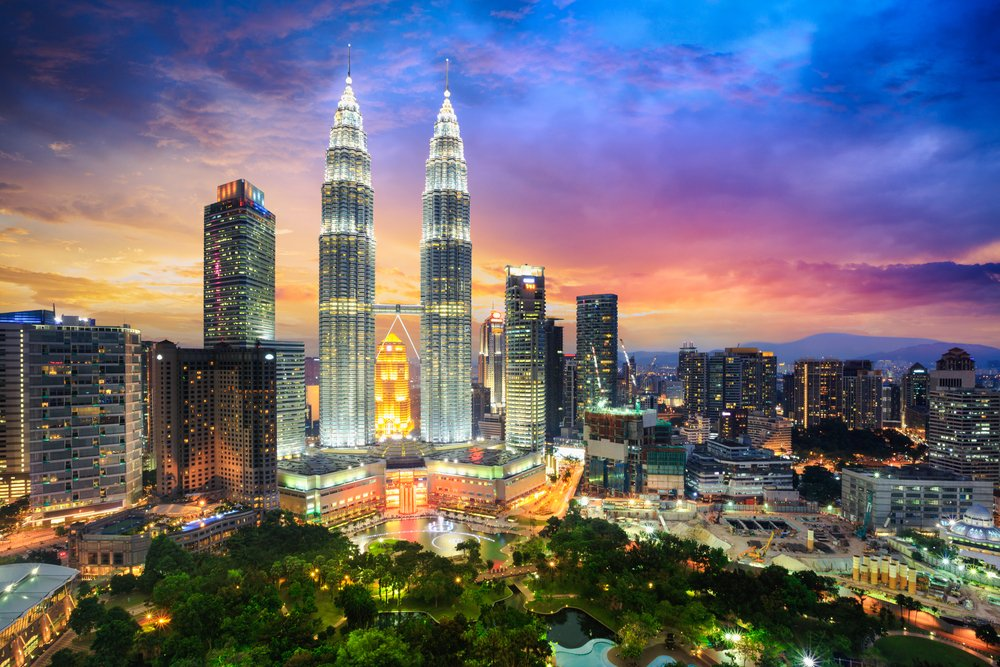
Malaysia Plans 50% Increase in Gas-Fired Power Capacity to Support Booming Data Centre Demand

Malaysia aims to expand its gas-fired power capacity by 6 to 8 gigawatts by 2030 to meet soaring electricity demand driven largely by the rapid growth of data centres, an industry official said. This expansion would represent a 40-54% increase from the current 15 GW of gas capacity, as the country seeks to reduce reliance on coal.

According to Megat Jalaluddin, CEO of state utility Tenaga Nasional Berhad, the government plans to build new gas plants and extend the lifespan of existing ones, positioning gas as the key transitional fuel after coal. Total electricity consumption in Malaysia is projected to rise by 30% by 2030.

Malaysia is expected to see the fastest growth in data centre power demand in Southeast Asia, with data centres’ share of electricity consumption in the region forecasted to triple to 21% by 2027 from 7% in 2022, based on a May report by Bain & Co, Google, and Temasek.

Petronas, Malaysia’s LNG exporter, may start importing liquefied natural gas within four to five years due to rising gas demand. The country also targets adding up to 10 GW of renewable energy capacity by 2030, more than doubling its current 9 GW, as data centres push for greener energy sources.

Deputy Prime Minister Fadillah Yusof highlighted that data centres will require 19.5 GW of power generation by 2035, making up 52% of Peninsular Malaysia’s electricity use, up sharply from about 2% today.

Malaysia’s southern state of Johor has become a leading data centre hub in Southeast Asia, favored for its proximity to Singapore, affordable land and power, and faster regulatory approvals. Tech giants like Microsoft, Nvidia, Google, and ByteDance have committed billions in investments since early 2024, fueling an infrastructure boom.

US Wind and Solar Still Have Room to Grow for Data Centers, Microsoft VP Says

At the CERAWeek energy conference in Houston on Wednesday, Bobby Hollis, Vice President of Energy at Microsoft, shared his insights on the significant potential for growth in U.S. wind and solar energy development, especially in powering the growing demand for data centers. According to Hollis, the Midwest wind corridor and the sunny southwest remain key areas with substantial untapped opportunities for renewable energy production.

The rapid expansion of data centers driven by Big Tech companies, fueled by AI and cloud technologies, has dramatically increased power consumption, raising concerns about the sustainability of relying on renewable energy sources. As these energy-intensive centers continue to proliferate, there are mounting questions about whether they will rely more on carbon-free renewable energy or switch to gas-fired power.

“We still think there is a very long road ahead that keeps renewables an important part of the mix in the places where that makes sense,” Hollis emphasized. Despite challenges, Microsoft remains committed to expanding its use of renewable energy to power its data centers. The company has pledged to become carbon negative by 2030 and is investing a staggering $80 billion this year alone in data center expansion. This massive investment will require vast amounts of electricity, which Microsoft plans to source sustainably, despite the intermittency of solar and wind power.

Since solar and wind are intermittent energy sources, only producing power when conditions are favorable, data centers, which require constant electricity, face significant challenges. To address this, natural gas, a reliable 24/7 power source, has become an increasingly attractive option, despite its associated carbon emissions. Hollis noted, “Let’s add more gas when it’s necessary. Before we ever get to that place, let’s make sure that we’ve added the renewables.”

The Midwest, with its consistent and strong winds, and the sunny southeastern U.S. are identified as regions with great potential for expanding renewable energy infrastructure to meet the needs of data centers. Microsoft’s global renewable power procurement already exceeds 30 gigawatts, underscoring its commitment to driving the transition to cleaner energy sources.