Yazılar

U.S. Orders Diplomatic Lobbying Against EU’s Digital Services Act Over Free Speech Concerns

The Trump administration has directed U.S. diplomats in Europe to launch a lobbying campaign opposing the European Union’s Digital Services Act (DSA), citing concerns that the law imposes excessive restrictions on free speech and creates burdensome costs for U.S. tech companies.

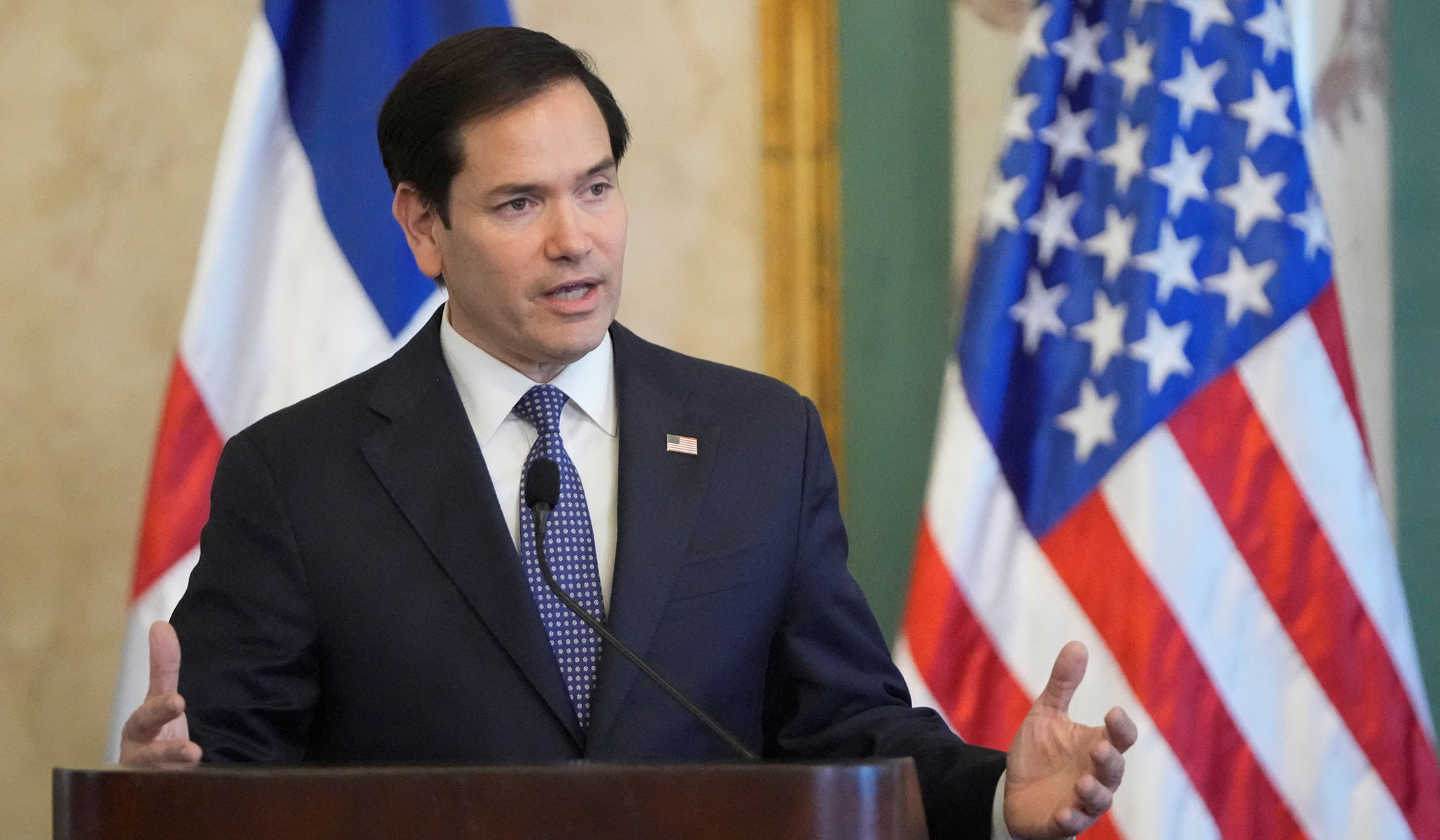
An internal State Department cable dated August 4, signed by Secretary of State Marco Rubio, instructs American diplomats to actively engage with EU governments and digital regulators to build support for repealing or amending the DSA and related legislation. The memo labels parts of the law as “undue” limits on expression under the guise of combating hate speech and misinformation.

The DSA is designed to hold tech companies accountable for illegal content online, such as hate speech and child sexual abuse material. However, the Trump administration views it as an infringement on free speech, especially political and religious expression, and has criticized the EU for what it sees as censorship targeting conservative voices.

Rubio’s directive includes specific talking points urging diplomats to push for narrowing the definition of illegal content, scaling back fines for non-compliance, and reducing reliance on “trusted flaggers” — entities authorized to report illegal content to platforms. It also calls for investigations into censorship cases affecting U.S. citizens and companies, including arrests and online suspensions linked to the DSA.

The European Commission rejects censorship accusations, emphasizing freedom of expression as a fundamental right. It maintains that the DSA aims to keep digital markets open and is not intended to target U.S. companies. EU officials also assert that the DSA and related tech laws are not part of ongoing trade negotiations with the U.S.

The lobbying effort marks an escalation of U.S. efforts to assert its free speech traditions internationally and intensifies tensions with European allies, with previous criticisms from officials such as Vice President JD Vance accusing Europe of suppressing certain political groups.

U.S. tech giants, including Meta and Tesla, have voiced concerns over the DSA. Meanwhile, the U.S. Federal Communications Commission chairman has criticized the law’s compatibility with American free speech norms. Rubio has even threatened visa bans on foreign officials involved in “censoring” Americans.

Apple Appeals €500 Million EU Fine Over App Store Restrictions

Apple has officially filed a lawsuit challenging a €500 million ($587 million) antitrust fine imposed by the European Commission, contesting claims it violated the Digital Markets Act (DMA). The tech giant submitted the appeal on Monday, the final day to do so, at the EU’s General Court, the bloc’s second-highest legal authority.

The Commission ruled in April 2025 that Apple had unlawfully restricted app developers from directing users to cheaper payment options outside the App Store, a practice viewed as anti-competitive under the DMA.

In a public statement, Apple argued that the decision “goes far beyond what the law requires,” adding that the imposed fine was “unprecedented” and that the Commission is now effectively mandating how we run our store. Apple said it changed its policies to avoid daily fines of up to €50 million, or 5% of its average global daily revenue.

Despite modifying its App Store rules last month to comply with EU regulations, Apple insists the changes were made under protest, calling the Commission’s stance “confusing for developers and bad for users.” The company maintains that its original policies were fair and necessary for maintaining quality and user safety within the App Store ecosystem.

The European Commission has begun gathering feedback from developers to assess whether Apple’s revised App Store practices meet the obligations of the DMA. A decision on whether further changes will be required is still pending.

The case represents a significant moment in the EU’s broader campaign to rein in the influence of Big Tech, using the DMA to challenge gatekeeper platforms like Apple, Meta, Google, and Amazon. It also marks one of the first major legal battles under the DMA framework, setting a precedent for how tech firms may operate across the EU going forward.

Google Proposes New Search Changes to Avoid EU Antitrust Fine

Google has submitted a new proposal aimed at addressing complaints from rivals and avoiding a possible European Union antitrust fine, Reuters has learned from a confidential document. This comes ahead of a critical July 7-8 meeting in Brussels with the European Commission and competitors.

The proposal, referred to as “Option B,” offers an alternative to an earlier plan presented last week. It suggests displaying two boxes on Google’s search results page: a vertical search service (VSS) box featuring links to specialized search engines for hotels, airlines, restaurants, and transport, and below it, a separate box listing free links to individual suppliers in those categories. Google would manage the supplier information but the setup aims to avoid the VSS box being dominated by Google’s own services.

This proposal seeks to comply with the EU’s Digital Markets Act (DMA), which targets large tech companies to prevent unfair self-preferencing and foster competition. Google has already made hundreds of product changes under the DMA framework.

Despite the efforts, Google remains concerned that some DMA requirements could degrade online user experience in Europe. If found in violation of the DMA, Google could face fines up to 10% of its global annual revenue.