
Yazılar

Meta to Reduce Personalized Ads in Europe in Response to Regulatory Pressure

Meta Platforms has announced a major change to its advertising model for Instagram and Facebook users in Europe. In an effort to comply with growing regulatory pressures, the tech giant revealed that it will allow users to opt for “less personalized ads.” This new policy, set to roll out in the coming weeks, will offer users in the European Union (EU) an alternative to the highly-targeted ads that have been a staple of Meta’s platforms for years.

Under this revised model, EU users will be able to select ads based on the “context” of their current session on the platform, meaning that the ads will be relevant to the content a user is viewing at the moment. These ads will be less personalized than the data-driven ones that Meta typically displays, which are tailored to users based on their activity, interests, and behaviors. In addition to this contextual targeting, the ads will still consider basic demographic information such as age, gender, and location, with some ads being unskippable for a few seconds.

The company also plans to lower the cost of its ad-free subscription service by approximately 40% for users in Europe, providing an incentive for those who prefer to avoid ads entirely. This subscription service will continue to be available, giving users an alternative option for a more customized, ad-free experience.

This move from Meta comes in response to increasing scrutiny from European regulators who are intensifying their efforts to rein in the influence of Big Tech. The European Union has introduced measures such as the Digital Markets Act (DMA) to promote fair competition and curb anti-competitive practices in the tech industry. Meta’s decision to adjust its advertising practices is seen as an attempt to comply with these regulations and to address concerns about privacy and data collection.

Apple Reportedly Facing Fine Under EU’s Digital Markets Act

Apple Poised to Face First Fine Under EU Digital Markets Act
Apple is reportedly on track to become the first company fined under the European Union’s Digital Markets Act (DMA), according to sources with direct knowledge of the situation. The EU antitrust regulators are expected to impose the penalty within weeks, marking a significant milestone in the bloc’s efforts to curb the dominance of Big Tech. This enforcement highlights the EU’s commitment to ensuring fair competition and holding major tech firms accountable.

EU’s First Charge Under the Digital Markets Act
In June, EU regulators accused Apple of breaching the DMA, which aims to create a level playing field by targeting gatekeeper companies that exert significant control over digital markets. The charge represents the first case brought under this landmark legislation, underscoring its potential to reshape the regulatory landscape for tech giants operating in Europe.

Mounting Antitrust Challenges for Apple
If finalized, this fine will add to Apple’s growing list of antitrust issues in the EU. Earlier this year, in March, the European Commission fined Apple €1.84 billion ($2.01 billion) for allegedly stifling competition from music streaming services by imposing restrictive policies through its App Store. That penalty was a historic moment for Apple, marking its first major punishment under EU rules. The upcoming fine further intensifies the regulatory scrutiny surrounding the company.

Potential Financial and Strategic Impacts
Beyond the immediate financial penalty, the latest case against Apple could have broader implications for its business practices. Under the DMA, violations can lead to fines as high as 10% of a company’s global annual revenue. With Apple also under investigation for new fees targeting app developers, the enforcement of DMA rules signals the EU’s growing resolve to rein in practices it views as anti-competitive. For Apple, these regulatory challenges may necessitate significant adjustments to its operations in Europe and beyond

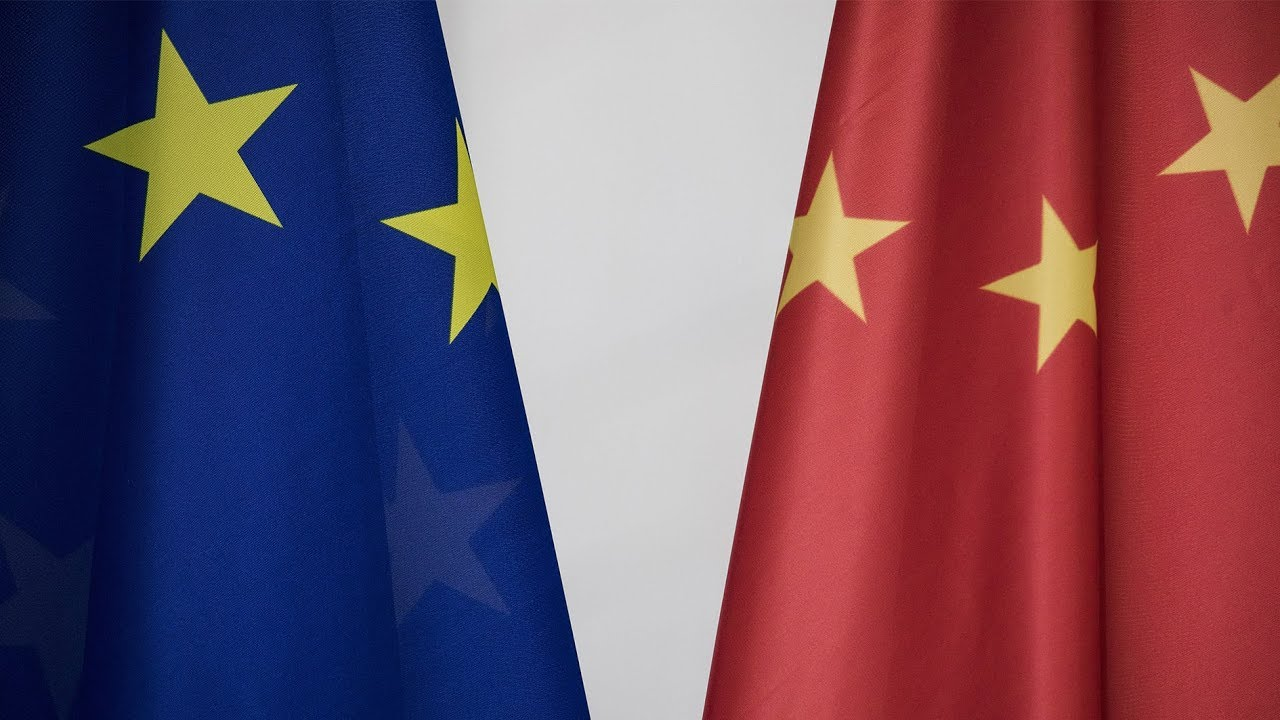
China-EU Tariff Dispute Unlikely to Escalate Further, Analysts Say

As China seeks resolution to its tariff dispute with the European Union (EU) regarding electric vehicles (EVs), analysts predict that Beijing will approach the situation with caution. Following China’s recent appeal to the World Trade Organization (WTO) to address the EU’s tariffs on its EVs, industry experts believe that both parties will avoid escalating the conflict significantly.

On Monday, China’s commerce ministry announced it had filed another complaint with the WTO, emphasizing that bilateral talks have not yielded satisfactory results. According to Shaun Rein, managing director of China Market Research, this latest action serves as a “warning shot” to Europe, indicating China’s strength while signaling a desire for cooperation. He anticipates a “measured” response from China as it navigates its economic relationship with Europe, particularly amid rising tensions with the U.S.

Since the implementation of the EU’s tariffs last Wednesday, discussions have surfaced regarding establishing minimum price commitments from Chinese car manufacturers as an alternative to the tariffs. The EU accounted for over 40% of China’s EV exports in 2023, making the economic stakes significant for both parties.

Sam Radwan, CEO of Enhance International, stated that the likelihood of the China-EU dispute escalating to the level of the U.S.-China trade tensions is low, primarily due to the EU’s dependence on China in its EV supply chain. The EU has increased tariffs on Chinese EVs to as high as 45.3% following a year-long investigation, prompting China to respond by targeting European exports like pork, dairy, and brandy.

European trade officials continue to engage in talks with their Chinese counterparts. Maros Sefcovic, the European Commission’s vice president, referred to China as the EU’s “most challenging trading partner” and expressed the bloc’s intent to be more assertive in addressing what it perceives as structural imbalances and unfair trade practices. Sefcovic emphasized that the EU does not seek trade wars but aims to rebalance its trade relationship with China.

Eugene Hsiao, head of China Autos at Macquarie Capital, noted that China will explore various avenues to pressure the EU into lowering tariffs. He suggested that a successful negotiation for lower tariffs could influence the level of investment Chinese EV manufacturers might consider for local production within the EU.

Reports indicate that China has advised its automakers to pause significant investment plans in European nations that support the tariffs, urging them instead to focus on countries that opposed the tariff measures. Notably, while countries like France, Poland, and Italy supported the tariffs in a recent vote, Germany, the EU’s largest economy and a significant car producer, opposed them.

In a meeting on Sunday, Chinese Commerce Minister Wang Wentao encouraged France to play a proactive role in fostering a solution that would benefit both the European and Chinese electric vehicle sectors. French junior trade minister Sophie Primas reaffirmed that while the EU aims to maintain trade relations with China, it would not compromise on critical issues.