Yazılar

Scania Steps In to Support Struggling Battery Maker Northvolt

Truck manufacturer Scania has taken an active role in assisting Northvolt, the troubled electric vehicle battery maker, in an effort to improve production quality and secure its financial future. Since November, Scania has deployed staff to Northvolt’s Ett plant in northern Sweden to work alongside managers and help standardize operations, according to internal documents reviewed by Reuters.

Northvolt, once seen as Europe’s best hope for an EV battery leader, has faced persistent quality and production issues. Its financial situation remains precarious, with only weeks of funding left unless it secures an additional $1.29 billion. Last year, the company filed for Chapter 11 bankruptcy in the U.S. after failing to reach a financing deal with key investors, including Volkswagen, Goldman Sachs, and Scania itself.

Scania, which owns a stake in Northvolt and relies on it for battery supply, has played a hands-on role in the production process, a level of involvement beyond what other customers, such as Audi and Porsche, have shown. The truckmaker’s employees have been embedded at Northvolt’s plant under a program called “P.2 100k,” aimed at ramping up weekly battery cell production to at least 100,000 units. Improving quality is crucial for Northvolt to access additional funding, with Scania linking loan disbursements to production milestones.

Industry experts note that while Scania lacks deep expertise in battery manufacturing, its operational efficiency and experience in scaling up production could provide valuable guidance. Workers at Northvolt remain hopeful that Scania’s intervention will help stabilize the company and prevent its collapse. A failure of Northvolt could leave Scania scrambling for alternative battery suppliers and force Europe to rely more heavily on Chinese manufacturers such as BYD and CATL.

 

Cognite to Relocate Headquarters to U.S., Citing Regulatory Challenges in Europe

Norwegian industrial software company Cognite announced plans to move its headquarters to the United States this year. The shift is aimed at capitalizing on the growing markets in North America, Asia, and the Middle East. Co-founder John Markus Lervik shared the decision at the Reuters Global Markets Forum, noting that Europe’s regulatory environment was impeding the company’s growth.

Key Points:

  • Strategic Move to the U.S.: Lervik emphasized that the U.S. offers more opportunities, especially with the new administration’s focus on investment. The company plans to aggressively expand in the U.S., with over 100 job openings already listed.
  • Concerns Over Europe’s Regulatory Environment: Cognite’s decision comes as Lervik has expressed long-standing concerns about Europe’s slow pace in fostering growth in the tech sector. The company’s founders hope that the U.S. push will encourage European regulators to reconsider their stance on tech regulations.
  • Cognite’s Backing and Market Focus: Cognite, a software firm focused on industrial data aggregation and analysis, has received significant investment from major players like Aker ASA, Accel, TCV, and Saudi Aramco. The firm’s client list includes AkerBP, with which it collaborates to enhance technology and software solutions for industrial applications.
  • AkerBP’s Position: AkerBP’s Chief Digital Officer Paula Doyle, speaking alongside Lervik, echoed the sentiment that Europe needs “smarter regulation” or even deregulation to foster more innovation in the tech and software industries. She highlighted that Europe has lagged behind the U.S. in these areas.
  • Valuation and Future Prospects: Following Saudi Aramco’s 7.4% investment in Cognite, the company’s estimated valuation has reached $1.6 billion, positioning it as a significant player in the industrial software space.

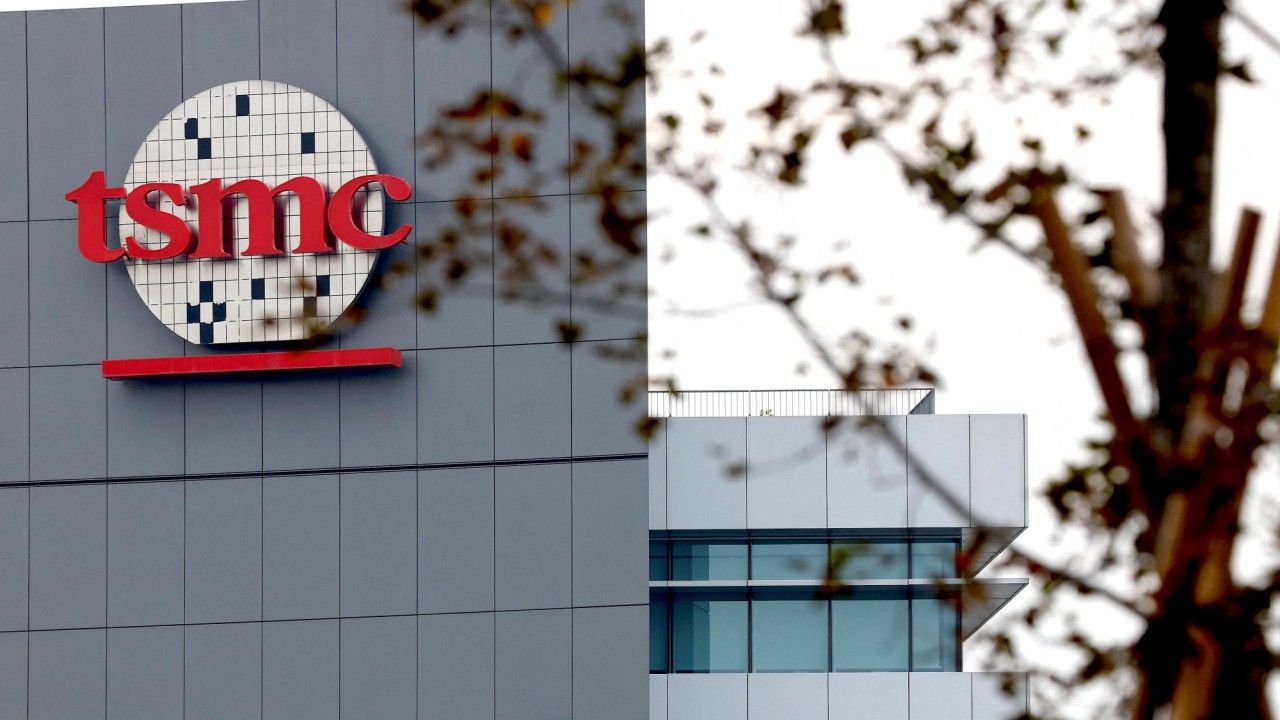
TSMC Set to Expand Chip Manufacturing with New Plants in Europe, According to Taiwanese Official

Taiwan Semiconductor Manufacturing Co. (TSMC) is gearing up to expand its manufacturing capabilities in Europe, particularly targeting the burgeoning market for Artificial Intelligence (AI) chips. This strategic move comes as TSMC seeks to broaden its global footprint amid rising demand for advanced semiconductor technologies. A senior official from Taiwan has confirmed these plans, underscoring the importance of the European market in TSMC’s future growth strategy.

In an interview with Bloomberg TV, Wu Cheng-wen, Taiwan’s Minister of the National Science and Technology Council, disclosed that TSMC has already initiated construction of its first semiconductor fabrication plant (fab) in Dresden, Germany. He noted that the company is actively planning additional fabs for various market sectors beyond just AI, indicating a comprehensive approach to meet diverse industry needs. This expansion aligns with Europe’s ambitions to bolster its semiconductor manufacturing capabilities, reducing dependency on external suppliers.

While Wu provided insights into TSMC’s plans, he did not specify a timeline for the further expansion of the company’s facilities in Europe. This lack of a concrete schedule leaves questions about when these additional fabs will come online. In response to inquiries regarding its future plans, TSMC issued a statement indicating that it remains focused on its current global expansion projects. The company emphasized that, at this time, there are no new investment plans announced beyond what is already underway.

The expansion into Europe reflects a broader trend in the semiconductor industry as companies aim to enhance local production capabilities in response to global supply chain disruptions and increasing demand for chips. As the AI market continues to grow, TSMC’s strategic investments in European manufacturing are expected to position the company favorably to cater to the evolving technological landscape. This move not only strengthens TSMC’s competitive edge but also supports Europe’s goals of establishing a more resilient and self-sufficient semiconductor supply chain.