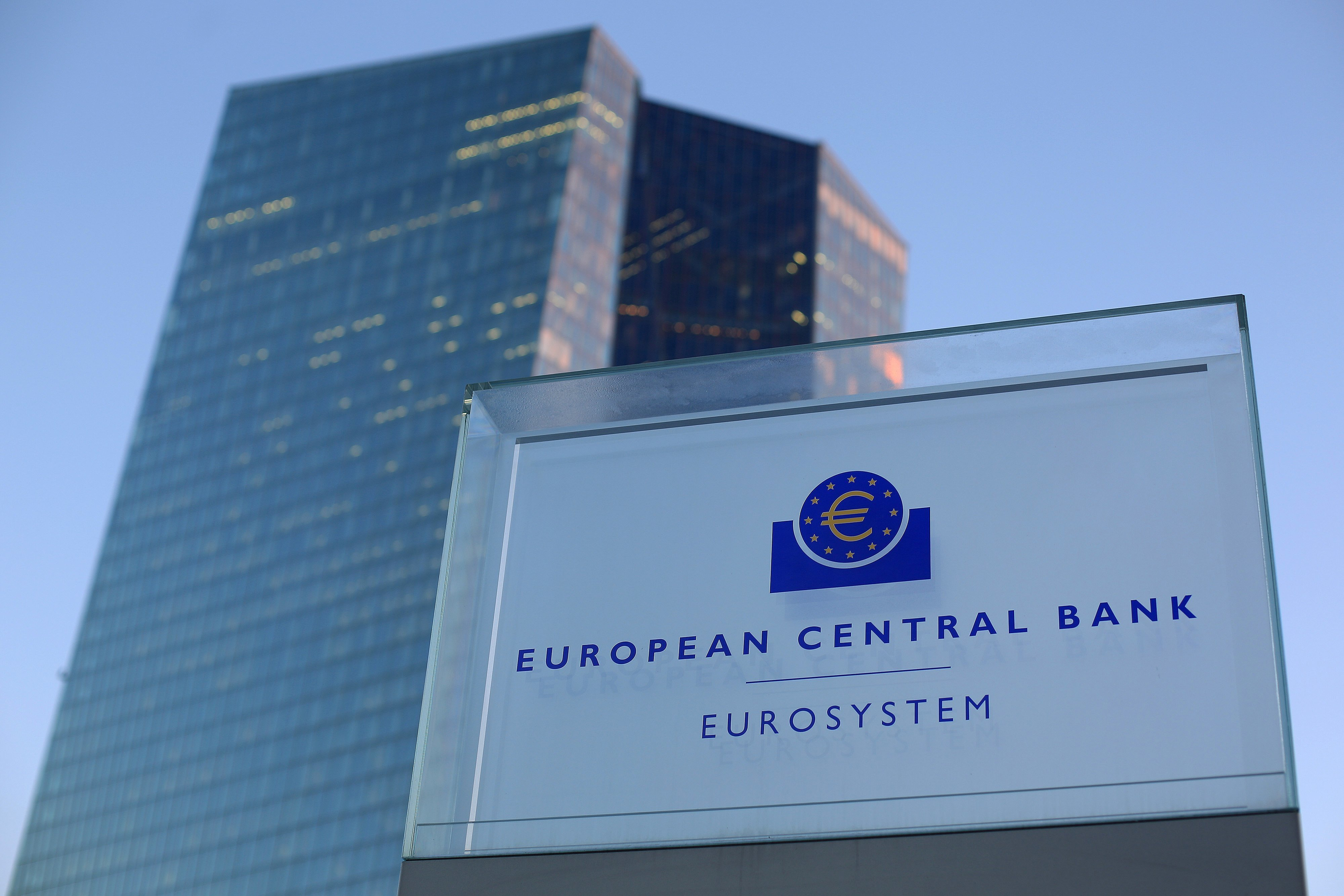
The European Central Bank (ECB) is expected to deliver its third interest rate cut of the year during its meeting this Thursday, as policymakers express growing confidence that inflation is easing faster than anticipated. Recent data indicates that inflationary pressures in the euro area have continued to soften, further bolstering expectations for a rate reduction.
In September, headline inflation in the eurozone dropped to 1.8%, falling below the ECB’s 2% target. Core inflation, which excludes volatile components like energy and food, reached a two-and-a-half-year low of 2.7%, signaling that the ECB’s tightening measures have been effective in curbing price growth.
Declining Inflation and Rate Cuts
The ECB had already implemented two 25-basis-point interest rate cuts earlier this year — one in June and another in September — bringing the central bank’s deposit facility rate from a record high of 4% to 3.5%. These cuts followed a sustained period of high inflation driven by global energy prices and supply chain disruptions.
Given the improving inflation outlook, money markets are now predicting another 25-basis-point cut during the October meeting, with further expectations of an additional reduction to 3% by the ECB’s final meeting of the year in December.
Recent dovish remarks from ECB officials, coupled with cooler inflation figures from key eurozone countries like Germany, have solidified the expectation of back-to-back rate reductions. Francois Villeroy de Galhau, Governor of the Bank of France, stated last week that a rate cut in October was “very likely” and hinted that this cut would not be the last in the current cycle.
Victory Over Inflation in Sight?
ECB President Christine Lagarde signaled a shift in policy during her address to European Union parliamentarians last month. She expressed optimism that inflation was on track to return to the ECB’s target, signaling a potential “pivot” in the central bank’s approach to monetary policy. This contrasts with her more cautious stance during the Sept. 12 meeting, where she emphasized a gradual approach to easing.
Even Joachim Nagel, head of Germany’s Bundesbank and a known hawk on inflation, acknowledged the positive trend, suggesting he would be open to discussing another rate cut.
Economic Weakness and Growth Concerns
In addition to easing inflation, the eurozone economy continues to face significant challenges. Economic activity remains sluggish, with the latest composite purchasing managers’ index (PMI) showing signs of stagnation for the third quarter. This follows a weak 0.3% growth in the second quarter.
The prolonged period of tight monetary policy has exerted downward pressure on growth, with sectors like German manufacturing facing competitiveness issues. Economists, such as Jack Allen-Reynolds from Capital Economics, have revised their forecasts to predict ongoing rate cuts until the ECB’s deposit rate reaches 2.5%. This projection also reflects a cooling labor market and slower wage growth, which should help reduce services inflation in the coming months.
The ECB’s own projections have also been revised downward, with the bank now expecting 0.8% GDP growth for the eurozone in 2024, slightly lower than the 0.9% previously forecast.
A Careful Balance
Despite the growing momentum for rate cuts, some analysts caution that the ECB risks overreacting by easing monetary policy too aggressively. Holger Schmieding, chief economist at Berenberg, warned that while inflation may not be a major issue in 2025, the central bank could face renewed inflationary pressures in 2026 and 2027. He argues that if the ECB lowers rates too quickly, it may have to raise them again in the future to prevent wage inflation and increased consumer demand from pushing prices higher.
Schmieding also predicted that Lagarde is unlikely to push back against market expectations for a December cut during her press conference on Thursday, effectively solidifying the likelihood of continued easing in the months ahead.
Looking Forward
As the ECB navigates this critical juncture, the global economic environment remains a significant factor. The recent 50-basis-point rate reduction by the U.S. Federal Reserve has heightened expectations for faster monetary easing across the globe, putting additional pressure on the ECB to follow suit.
Economists at Bank of America Global Research believe that this week’s rate cut could mark the beginning of a broader trajectory that sees rates lowered to 2% by June 2025 and further to 1.5% by the end of 2025. However, the ECB is expected to maintain its data-dependent and meeting-by-meeting approach, avoiding any definitive long-term commitments.
With the eurozone’s inflation risks appearing to subside and growth concerns still prevalent, the ECB faces the delicate task of balancing monetary easing with the need to avoid reigniting inflationary pressures down the line.