Yazılar

European Battery Hopes Depend on Chinese Partnerships Post-Northvolt Collapse

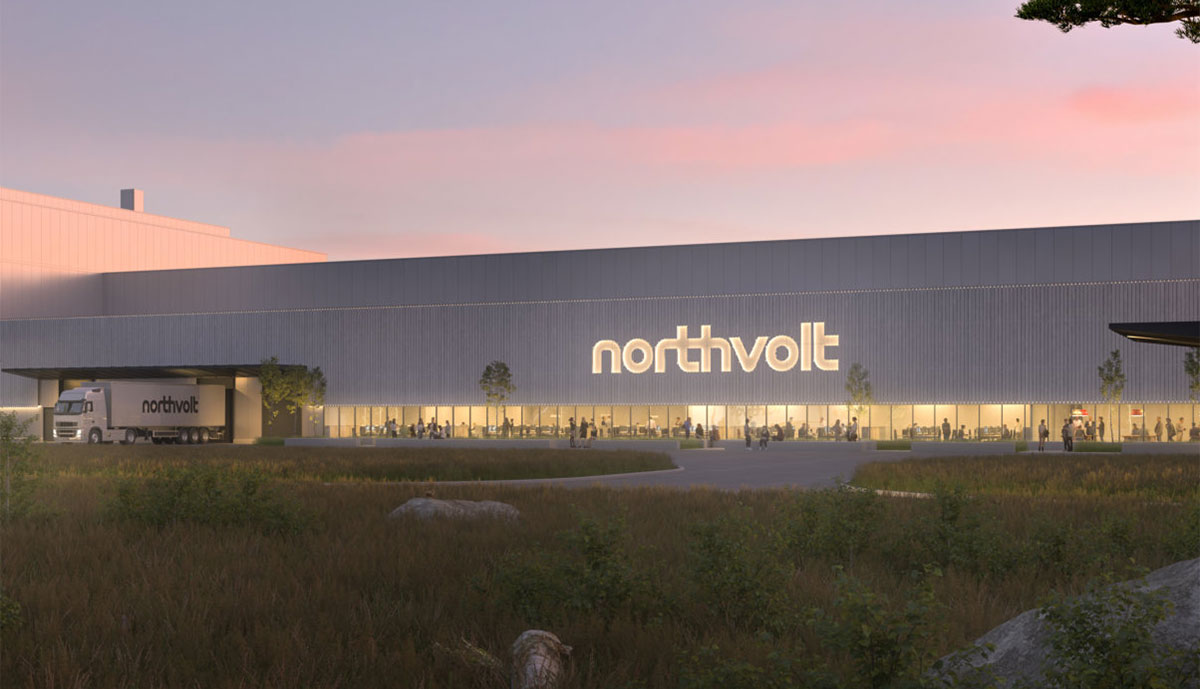
The collapse of Northvolt has not entirely derailed Europe’s ambitions to develop its own electric vehicle (EV) battery industry, but the continent’s progress now increasingly relies on Chinese investment and expertise.

Slovakian startup InoBat exemplifies this shift. The company faced funding challenges until Gotion, China’s fifth-largest battery maker, acquired a 25% stake and entered a joint venture with InoBat to build gigafactories in Europe. On Friday, InoBat announced €100 million ($104 million) in Series C funding, pushing its total capital raised to over €400 million. This development, coming shortly after Northvolt’s financial troubles, signals that European EV battery projects can still attract investors—albeit often with significant Chinese backing.

Executives and analysts suggest that future European battery ventures are likely to involve joint ventures with Chinese firms, mirroring the Gotion-InoBat partnership and a recent agreement between Stellantis and CATL. According to Lacie Midgely, a research analyst at Panmure Liberum, institutional investors now seek strategic partnerships before committing to funding.

China’s dominance in battery production is evident in companies like Gotion, which boasted a production capacity of 150 gigawatt hours (GWh) in 2023, enough to power up to 2 million cars. By 2025, this figure is expected to reach 270 GWh, far outpacing Europe’s current capabilities.

Partnerships and Progress

The Gotion-InoBat Batteries (GIB) joint venture has proven advantageous for InoBat, securing investor confidence by leveraging Gotion’s experience and scale. Vikram Gourineni, executive director at Indian battery maker Amara Raja—a key investor in InoBat’s latest funding round—highlighted that automakers prefer proven large-scale capabilities to mitigate risks in their EV programs.

InoBat operates a pilot production line in Voderady, Slovakia, and is building a high-performance 4 GWh gigafactory. The company also plans a $1.2 billion, 20 GWh facility in Surany, Slovakia, slated to supply batteries for 200,000 EVs annually starting in 2027. Volkswagen, which owns a 24.45% stake in Gotion, is a major partner, with Slovak government aid contributing €214 million to the project.

GIB’s strategy focuses on low-cost, high-volume production, leveraging Slovakia’s automotive manufacturing hub and proximity to major German, Czech, and Hungarian markets.

Challenges for Independent European Projects

Northvolt’s failure to compete with Chinese giants like BYD and CATL has cast doubt on other independent European battery startups. In 2024, at least eight companies postponed or canceled European EV battery projects, while the continent’s projected battery pipeline capacity through 2030 fell by 176 GWh, according to Benchmark Minerals.

However, some projects show promise. French startup Verkor, backed by Renault, has raised €3 billion to build a 16 GWh gigafactory in Dunkirk, expected to produce batteries for 300,000 EVs annually by 2028. Meanwhile, UK-based Ilika focuses on licensing its solid-state battery technology rather than building gigafactories, catering to niche markets such as medical devices and potentially EVs.

The Role of Chinese Expertise

European startups increasingly rely on Chinese partners to navigate technical and financial hurdles. Gotion’s collaboration has accelerated InoBat’s development, enabling faster problem-solving and cost management. CEO Marian Bocek noted that InoBat’s high-performance batteries are undergoing testing by premium automakers like Ferrari, while its GIB joint venture ensures large-scale production.

Analysts like Andy Leyland of SC Insights suggest that automakers and investors prefer de-risking production by relying on the expertise of established Asian battery manufacturers. “The Chinese have mastered low-cost mass production, so if you want batteries made, most likely Asian battery makers will make them,” Leyland said.

Despite these challenges, Europe’s battery ambitions remain alive, albeit increasingly intertwined with Chinese partnerships that provide the scale and expertise necessary to meet growing EV demand.
 

Lithium Supply Glut to Persist, Benefiting Battery Makers

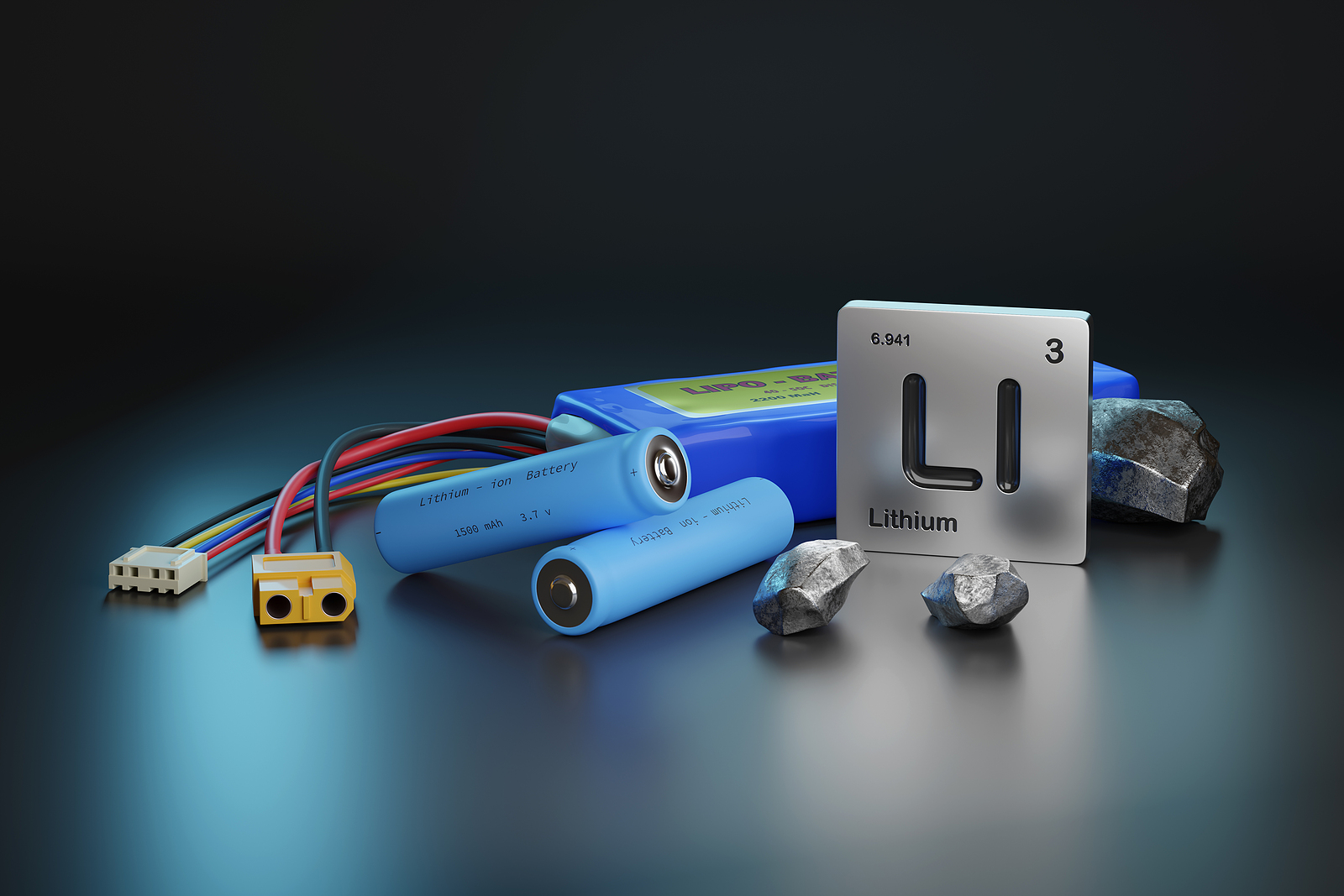
Despite a significant drop in lithium prices, many mines, particularly those operated by Chinese companies, continue to produce the raw material essential for electric vehicle (EV) batteries. This ongoing production, despite weak prices, is leading to a prolonged oversupply of lithium, which is expected to keep prices low for years. Battery makers, some of which own or invest in lithium operations, are benefiting from this surplus.


Continued Production Amid Price Weakness

The lithium market has experienced significant volatility, with prices for lithium hydroxide plunging nearly 90% since December 2022. However, many producers are maintaining operations despite price declines. Some of these mines are operating at a loss, but producers are reluctant to halt production due to concerns over losing market share and the complexities of restarting mines.

The global lithium supply is projected to increase by 25% this year and another 15% in 2025, contributing to the glut. Analysts estimate that around 10% of lithium production is currently unprofitable. However, mines in regions such as China, Australia, and Zimbabwe remain open, with some producers absorbing losses due to their integration into global supply chains or strategic interests.


China’s Strategic Investment and Zimbabwe’s Role

China has significantly invested in lithium projects globally, including in Zimbabwe, which has quickly risen to become the world’s fourth-largest supplier. Despite high production costs, Chinese-owned mines in Zimbabwe continue operations, often at a loss, due to the strategic importance of securing lithium supplies. Chinese companies also absorb some of these costs through downstream activities, including battery production, which helps maintain a steady flow of raw materials for the EV and battery sectors.


Australian Mines and Battery Maker Support

In Australia, where lithium extraction costs are also high, some companies have maintained production with support from battery manufacturers. Australian miner Mineral Resources, for instance, has kept its higher-cost mines running, partially offsetting losses with other profitable mineral production. Similarly, Liontown Resources has kept its Kathleen Valley mine operational, bolstered by a $250 million investment from South Korean battery maker LG Energy Solution.

Northvolt CEO Steps Down Amid Bankruptcy Filing, Group Seeks $1.2 Billion

Key Highlights

Leadership Changes

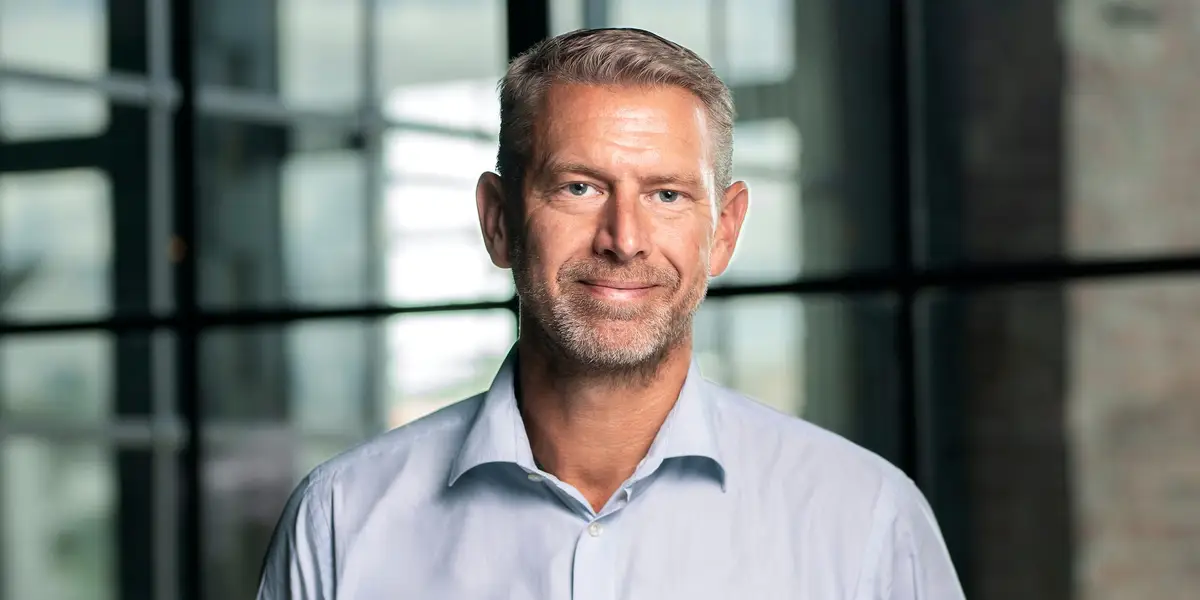
  • Peter Carlsson, co-founder and CEO of Northvolt, announced his resignation.
  • Carlsson will transition to a senior advisory role and remain on the company’s board.
  • Chief Financial Officer Pia Aaltonen-Forsell and Battery Cells President Matthias Arleth will lead the company as interim executives.

Financial Crisis and Bankruptcy Filing

  • Northvolt filed for Chapter 11 bankruptcy protection in the U.S. to facilitate restructuring.
  • The Swedish battery maker, once hailed as Europe’s leading EV battery hope, faces significant financial challenges, citing production issues and depleted funding.
  • The company revealed it has sufficient cash to operate for about a week but has secured $100 million to sustain operations during the bankruptcy process.

Funding Needs

  • Northvolt requires $1–$1.2 billion to stabilize operations and continue its projects.
  • Efforts to secure one or more financial partners for restructuring and operational sustainability are underway.
  • Without adequate funding, Northvolt may face liquidation, with financial services firm Hilco Global engaged to oversee a potential asset sale.

Operational Challenges and Strategic Goals

Production Setbacks

  • The company has faced difficulties ramping up production at its flagship battery-cell plant in northern Sweden, missing internal targets.
  • Delays threaten Northvolt’s ambitious plans, including major battery plants in Germany and Canada.

Restructuring Timeline

  • The Chapter 11 filing outlines a targeted restructuring completion by Q1 2025.
  • Rothschild has been tasked with facilitating partnerships or sales, with interested parties required to submit proposals by early December.

Northvolt’s Vision Amid Uncertainty

Despite its financial troubles, Northvolt aims to capitalize on its technological advancements and multi-billion-dollar investments. The company remains committed to finding solutions that ensure long-term sustainability, including:

  • Securing partnerships for financial backing.
  • Completing key projects vital to its role in the EV battery market.

Market and Industry Implications

Impact on Employees and Stakeholders

  • Northvolt employs approximately 6,600 staff across seven countries.
  • The restructuring process aims to preserve jobs and maintain supplier and customer commitments.

Relevance in the EV Battery Market

  • Northvolt’s struggles highlight the complexities of scaling battery production, crucial for Europe’s transition to electric mobility.
  • The outcome of the bankruptcy process will significantly influence the region’s EV supply chain and competition with global players.