
Yazılar

Neptunian Ridge Discovery: Scientists Unveil New Planetary Zone in the Cosmos

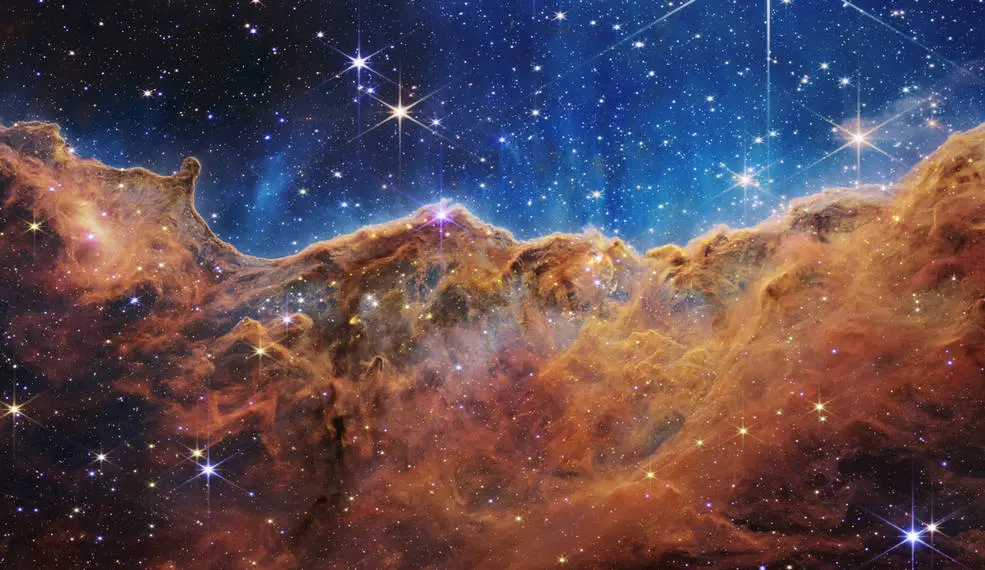
British scientists have made a groundbreaking discovery in the vast expanse of space: a densely packed ridge of planets previously unknown to the scientific community. A team from the University of Warwick stumbled upon this remarkable feature while investigating Neptune-like planets located far beyond our solar system. Their observations revealed a distinct pattern—a crowded band of planets lying between two starkly contrasting regions: a “desert,” where few planets can survive, and a “savannah,” where planets exist in abundance. This discovery provides new insights into how planets are distributed in space, akin to the revelation of an uncharted mountain range that reshapes our understanding of Earth’s landscape.

Life in the Cosmic Desert
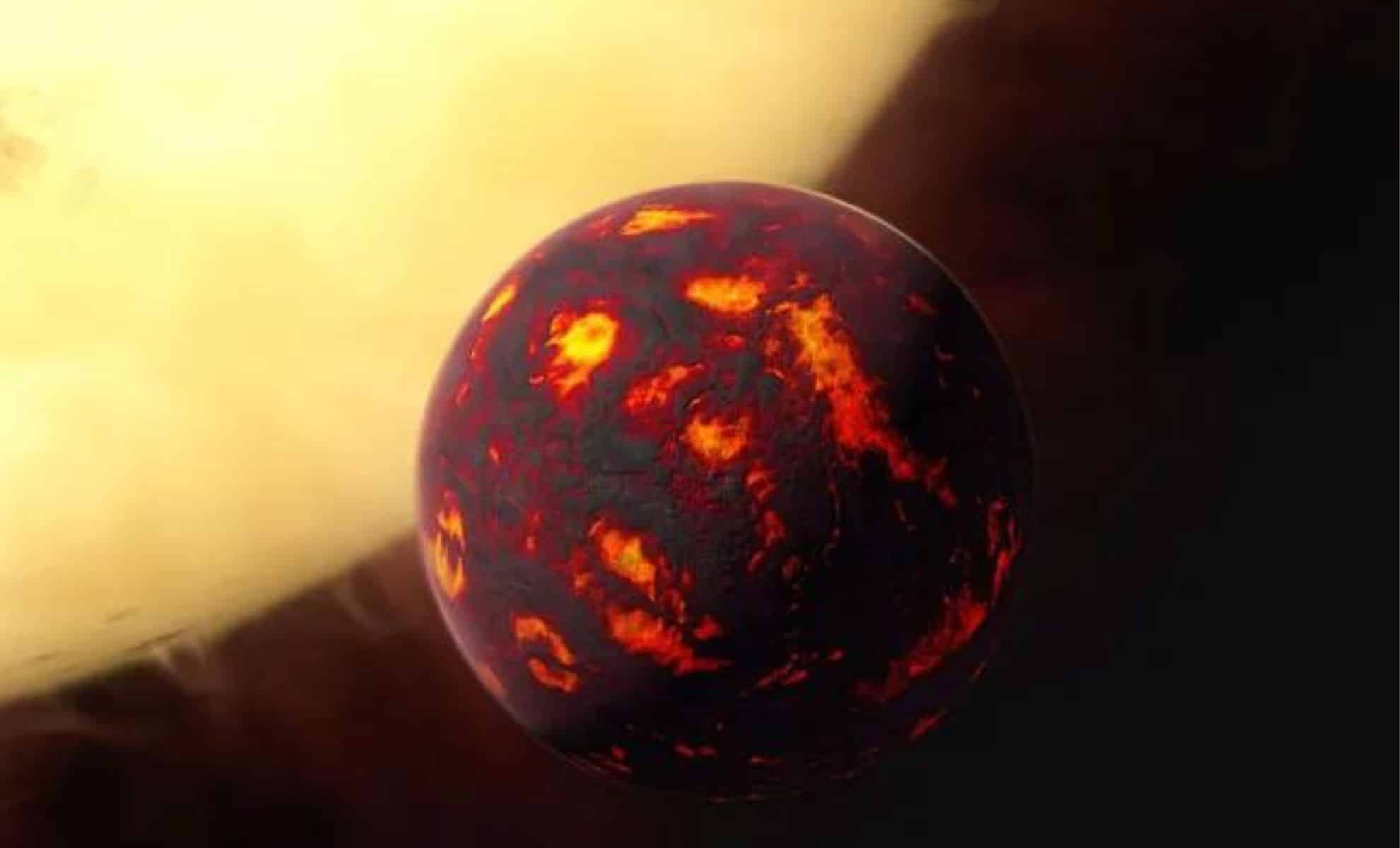
Imagine a hostile environment where intense stellar radiation continuously bombards planets, eroding their atmospheres and leaving behind only barren rocky cores. This desolate region, now known as the Neptunian Desert, is inhospitable to most planetary bodies. Only the toughest planets, resistant to the relentless onslaught of their nearby stars, manage to endure. These rare survivors are comparable to the few resilient species that manage to eke out a living in Earth’s most unforgiving deserts.

A Planetary Savannah
Beyond this harsh desert lies a more forgiving region dubbed the “Neptunian Savannah,” where planets are far more likely to thrive. Here, conditions are relatively stable, and planets are better able to retain their atmospheres, sustaining a more favorable environment. This area teems with diverse planetary types, protected from the extreme radiation that characterizes the desert zone. The contrast between the two regions highlights the varied fates of exoplanets as they struggle to maintain their atmospheres and stability in the face of intense cosmic forces.

The Safe Haven: The Ridge of Survival
What makes this discovery so compelling is the dense ridge of planets that lies between the desert and the savannah. This newly identified zone acts as a safe haven, where planets somehow manage to retain their gaseous envelopes while avoiding complete atmospheric erosion. Scientists believe these planets arrived in this region through various mechanisms, such as migrating from farther out in their star systems or forming in place under unique conditions. This ridge represents a delicate balance, a transitional area where planets achieve a rare equilibrium, providing an invaluable opportunity to understand planetary evolution in extreme environments.
NASA’s Hubble and New Horizons Team Up to Enhance Understanding of Uranus and Exoplanets

NASA’s Hubble Space Telescope and the New Horizons spacecraft have recently collaborated to explore Uranus, a planet renowned for its enigmatic atmosphere and striking features. Positioned in low-Earth orbit, Hubble was able to capture intricate images of Uranus, revealing details about its clouds and storm patterns. In contrast, New Horizons, situated approximately 6.5 billion miles away, provided a more distant perspective, showing Uranus as a mere dot against the vast backdrop of space. This joint effort not only enhances our understanding of Uranus but also serves as a vital reference point for astronomers studying exoplanets orbiting other stars.

The collaboration between Hubble and New Horizons is particularly significant for exoplanet imaging. According to lead author Samantha Hasler from the Massachusetts Institute of Technology, this partnership acts as a practical test case for observing exoplanets at considerable distances. By comparing Hubble’s detailed observations with New Horizons’ broad view, researchers can better understand how gas giants like Uranus would appear from light-years away. This understanding is crucial as astronomers strive to detect and characterize exoplanets that share similar traits to those found within our own solar system.

One of the noteworthy discoveries from this mission was that Uranus appeared dimmer than anticipated based on New Horizons’ observations. This finding has important implications for our understanding of light reflection on planetary atmospheres at various angles. By clarifying how light interacts with Uranus, scientists gain insights that are directly applicable to future missions, such as NASA’s Nancy Grace Roman Space Telescope and the Habitable Worlds Observatory. Both of these upcoming projects are designed to focus on exoplanets and their atmospheric characteristics, making this research especially timely and relevant.

As astronomers continue to analyze the data collected from this collaboration, they are paving the way for future exploration of not only Uranus but also other distant worlds beyond our solar system. Alan Stern, Principal Investigator for New Horizons at the Southwest Research Institute, emphasized the significance of these findings in understanding planetary atmospheres and preparing for missions aimed at identifying potentially habitable worlds. This collaboration between Hubble and New Horizons exemplifies how teamwork and technology in space exploration can yield valuable knowledge, enhancing our understanding of the universe and its myriad celestial bodies

New Research Suggests Rocky Exoplanets Could Store Water in Their Molten Iron Cores

Rocky Exoplanets May Contain More Water Yet Offer Less Potential for Habitability, Study Finds Devamını Oku