
Close Menu
  • Home
  • Technology
  • Devices
  • Business
  • Science
  • Gadgets
  • Startups
Ayaksız
  • Home
  • Technology

    Lucid and Bolt Plan 25,000 Robotaxis for Europe

    Eylül 18, 2026

    AMD Gives PC Builders More Choice With New Ryzen 5 Desktop Chips

    Eylül 11, 2026

    Apple Expands Device Protection With a $49.99 Family Plan

    Eylül 11, 2026

    Snapdragon 8 Elite Extreme Gen 6 Reportedly Beats MediaTek’s Next Flagship Chipset

    Eylül 11, 2026

    Pinterest CFO Julia Donnelly to Step Down in October

    Ağustos 30, 2026
  • Devices

    Projector Setup: Separate Placement, Lens Shift, Zoom, and Keystone

    Kasım 18, 2026

    Router Mode or Access Point Mode? Give Each Network Device a Clear Job

    Kasım 18, 2026

    Scanner Feeder or Glass? Choose According to the Original

    Kasım 13, 2026

    Borderless Printing: Why the Edges of Your Photo Can Disappear

    Kasım 12, 2026

    Camera AE Lock: Recompose a Scene Without Letting Exposure Drift

    Kasım 11, 2026
  • Business

    Google Pixel 11 Pro Leaked Renders Indicate It Might Sport Thinner Bezels Than the Pixel 10 Pro

    Mart 30, 2026

    Motorola Edge 70 Debuts With Snapdragon 7 Gen 4, Ultra-Slim 5.99mm Body

    Kasım 5, 2025

    Samsung Galaxy S26 Series Could See Price Increase Amid Rising Component Costs: Report

    Kasım 4, 2025

    Amazon’s AWS Partners with NBA to Power New AI Basketball Platform

    Ekim 4, 2025

    Billionaire-Backed Bitcoin Firm OranjeBTC to List on Brazil’s B3 Exchange

    Ekim 4, 2025
  • Science

    Double Rainbows: Why the Outer Arc Reverses Its Colors

    Kasım 18, 2026

    Why Ice Floats—and Why Water Behaves Differently Near Freezing

    Kasım 13, 2026

    Air Pressure and Altitude: Why Two Weather Readings May Not Be Comparable

    Kasım 12, 2026

    A Light-Year Measures Distance: Understanding the Scale Behind Space Headlines

    Kasım 11, 2026

    Why the Sky Is Blue—and Why the Same Atmosphere Produces Red Sunsets

    Kasım 10, 2026
  • Gadgets

    Tripod Center Columns: Extra Height Comes with a Stability Tradeoff

    Kasım 18, 2026

    E Ink Ghosting: Match the Refresh Mode to the Task

    Kasım 13, 2026

    Camera Lens Hoods: Choose the Right Shape and Check the Whole Frame

    Kasım 12, 2026

    Pop Filters and Windscreens: Match Microphone Protection to the Noise

    Kasım 12, 2026

    USB Hub Power: Check Where Your Connected Devices Get Their Energy

    Kasım 11, 2026
  • Startups

    Cache-Control for Startups: No-Cache and No-Store Solve Different Problems

    Kasım 18, 2026

    Dead-Letter Queues: Investigate Before Replaying Failed Messages

    Kasım 13, 2026

    Database Connection Pools: Budget Across Every Application Replica

    Kasım 13, 2026

    Startup Staging Sites: Separate Search Visibility from Access Control

    Kasım 12, 2026

    API Idempotency Keys: Keep a Retry Connected to the Original Operation

    Kasım 11, 2026
Ayaksız
Anasayfa » Blog » New Research Suggests Rocky Exoplanets Could Store Water in Their Molten Iron Cores
Science

New Research Suggests Rocky Exoplanets Could Store Water in Their Molten Iron Cores

By ayaksızEylül 10, 2024Yorum yapılmamış3 Mins Read
Facebook Twitter Pinterest LinkedIn Tumblr Email
Share
Facebook Twitter LinkedIn Pinterest Email

Rocky Exoplanets May Contain More Water Yet Offer Less Potential for Habitability, Study Finds

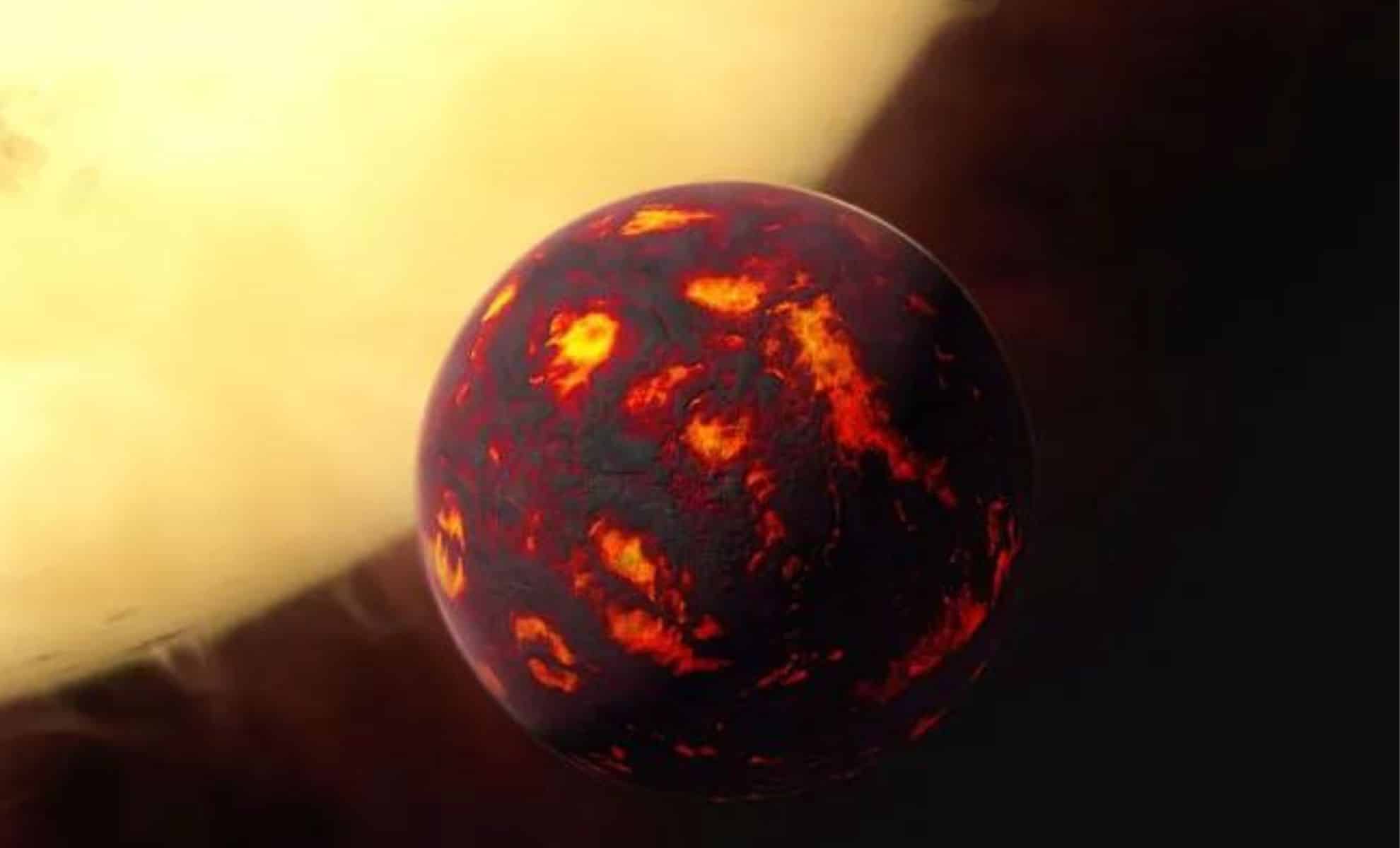
Recent research indicates that rocky exoplanets, especially those that have experienced or are still experiencing magma oceans, might trap substantial amounts of water deep within their molten iron cores. According to the findings, up to 95 percent of a planet’s total water content could be sequestered in its core, rather than existing as accessible surface oceans. This revelation fundamentally alters our understanding of water distribution on these worlds, suggesting that many rocky exoplanets could be much richer in water than previously thought, though much of this water would remain inaccessible and buried deep within the planet.

The concept of water being trapped in planetary cores stems from the processes that occur during planet formation. As young rocky planets form, they go through phases of extreme heating, which leads to the creation of global magma oceans. During these molten stages, water can dissolve in the magma and gradually migrate towards the core. Research has shown that in planets similar to Earth, this downward migration can result in significant amounts of water being drawn into the core. In larger super-Earths, which have greater gravitational forces, this process can be even more pronounced, leading to most of the water being locked away deep within the planet’s interior.

Computer models have been crucial in understanding this phenomenon. Simulations suggest that on super-Earths, a significant portion of water can become absorbed by molten iron in the core rather than staying in the mantle or on the surface. This finding is particularly interesting because it challenges the long-standing assumption that a water-rich exoplanet must necessarily have vast oceans on its surface. Instead, such planets might appear relatively dry from the outside, with most of their water hidden away where it cannot interact with the atmosphere or support surface life.


This new understanding has profound implications for the search for extraterrestrial life and the habitability of exoplanets. While a planet might have an abundance of water, the fact that most of it could be trapped in the core rather than accessible at the surface reduces the likelihood of such planets supporting life as we know it. Water that is locked deep within a planet’s iron core is unlikely to participate in the hydrological cycles that are crucial for maintaining habitable conditions. This could mean that many exoplanets previously thought to be good candidates for life might actually be less hospitable than assumed.

Moreover, these findings could affect how we prioritize targets in our search for potentially habitable exoplanets. Instead of merely looking for water-rich planets, scientists may need to consider the distribution of that water and whether it is accessible. Surface water is crucial for a planet’s climate and for the chemistry required to support life. Planets where water is predominantly locked in the core might be geologically and chemically distinct from Earth, affecting not only their potential to host life but also their evolution and atmospheric composition.

As we continue to study exoplanets with advanced telescopes and space missions, these insights will help refine our criteria for habitability. Understanding the complex processes that govern water distribution on rocky worlds is essential for identifying exoplanets that might harbor life. While water-rich super-Earths remain compelling targets, this research suggests that the presence of water alone is not a sufficient indicator of habitability. Instead, we need to unravel the deeper mysteries of these distant worlds to understand where water is stored and how it interacts with the planet’s surface and atmosphere.

Astrobiology Exoplanets Super-Earths
Share. Facebook Twitter Pinterest LinkedIn Tumblr Email
ayaksız
  • Website

Related Posts

Double Rainbows: Why the Outer Arc Reverses Its Colors

Kasım 18, 2026

Why Ice Floats—and Why Water Behaves Differently Near Freezing

Kasım 13, 2026

Air Pressure and Altitude: Why Two Weather Readings May Not Be Comparable

Kasım 12, 2026
Add A Comment

Comments are closed.

Recent Posts
  • Projector Setup: Separate Placement, Lens Shift, Zoom, and Keystone
  • Cache-Control for Startups: No-Cache and No-Store Solve Different Problems
  • Tripod Center Columns: Extra Height Comes with a Stability Tradeoff
  • Double Rainbows: Why the Outer Arc Reverses Its Colors
  • Router Mode or Access Point Mode? Give Each Network Device a Clear Job
Tags
AI AI Chips AI Infrastructure Amazon Android Apple Artificial Intelligence Bitcoin ChatGPT China Cryptocurrency Cybersecurity data centers DeepSeek Donald Trump Electric Vehicles Elon Musk Ether Generative AI Google Huawei India Investment Iphone Meta Microsoft NASA National Security Nvidia OnePlus OpenAI Oppo Realme Samsung semiconductor industry Social media Sony SpaceX Technology Tesla Tether TikTok Vivo WhatsApp Xiaomi
Ayaksız
Instagram
© 2026 Ayaksız.

Type above and press Enter to search. Press Esc to cancel.