Yazılar

Musk’s Starlink Denies Intent to Take Over FAA Air Traffic Contract

SpaceX, the rocket company owned by Elon Musk, has denied media reports suggesting that its Starlink satellite unit intends to take over any Federal Aviation Administration (FAA) telecommunications contract. On Wednesday, SpaceX clarified that Starlink’s role is to potentially serve as a partial solution to the FAA’s aging system.

“Starlink is a possible partial fix to an aging system. There is no effort or intent for Starlink to ‘take over’ any existing contract,” SpaceX stated on X (formerly Twitter). The company further explained that it is working alongside L3Harris Technologies and the FAA to explore how Starlink could enhance aviation safety by upgrading infrastructure.

The FAA confirmed it is testing Starlink systems at various sites as part of a broader effort to modernize the U.S. air traffic control infrastructure, which has been deemed outdated. The Government Accountability Office (GAO) has warned that about one-third of the FAA’s air traffic control systems are unsustainable and in need of urgent replacement.

The FAA emphasized that it is testing Starlink and other technologies through its Telecommunications Infrastructure program, managed under a contract with L3Harris. While reports have suggested that Starlink could potentially replace Verizon’s existing $2.4 billion contract, the FAA has stated that no decision on the contract’s future has been made yet.

The testing of Starlink at FAA facilities, including those in Alaska, Oklahoma City, and Atlantic City, is part of efforts to improve communication systems and restore reliable access to weather information for pilots.

Transportation Secretary Sean Duffy also highlighted that while Starlink could be a part of the solution, it is not the sole answer to the FAA’s modernization needs.

Blue Origin’s New Glenn Rocket Scheduled for Maiden Launch in January

Blue Origin is preparing for the first-ever launch of its heavy-lift New Glenn rocket, marking a major milestone for the company in the competitive space exploration sector. The Federal Aviation Administration (FAA) has confirmed that the launch window will open on Monday, January 6, from Cape Canaveral Space Force Station in Florida. The rocket’s lift-off is expected to occur between 1 a.m. and 4:45 a.m. EST, with additional opportunities available every day through January 12. This launch represents the beginning of Blue Origin’s ambition to establish a strong foothold in the space industry, directly competing with established players like SpaceX.

The inaugural mission will not carry a commercial payload. Instead, it will feature the Blue Ring Pathfinder, a simulator designed to test the New Glenn rocket’s payload systems. This mission is focused on verifying key technologies and capabilities, such as the rocket’s ability to deliver payloads to orbit, as well as the innovative technology that allows the rocket’s first stage to land on a sea platform after launch. Reusable technology is one of Blue Origin’s core goals, with the New Glenn rocket booster designed for up to 25 flights, a feature that positions it as a direct competitor to SpaceX’s Falcon and Starship rockets, which also focus on reusability.

One of the standout features of the New Glenn rocket is its 23-foot payload fairing, which is larger than that of many of its competitors. This capability allows the rocket to accommodate a wider range of payloads, giving it flexibility in handling various mission profiles. The first test flight will serve as a critical opportunity to evaluate crucial systems such as communications, tracking, and telemetry, all of which are vital for the success of future missions. These assessments are important steps toward refining the rocket’s design and preparing for commercial launches.

The New Glenn rocket’s development is part of Blue Origin’s long-term strategy to revolutionize spaceflight and make space more accessible. By focusing on reusability and flexibility, the company aims to bring down the costs of space missions and expand its commercial and scientific payload delivery capabilities. As the rocket enters its first phase of testing, Blue Origin is setting the stage for more ambitious projects, with the goal of further establishing itself as a leading player in the space industry.

SpaceX Secures FAA Launch License for Starship Flight 7, Paving the Way for 2025 Test

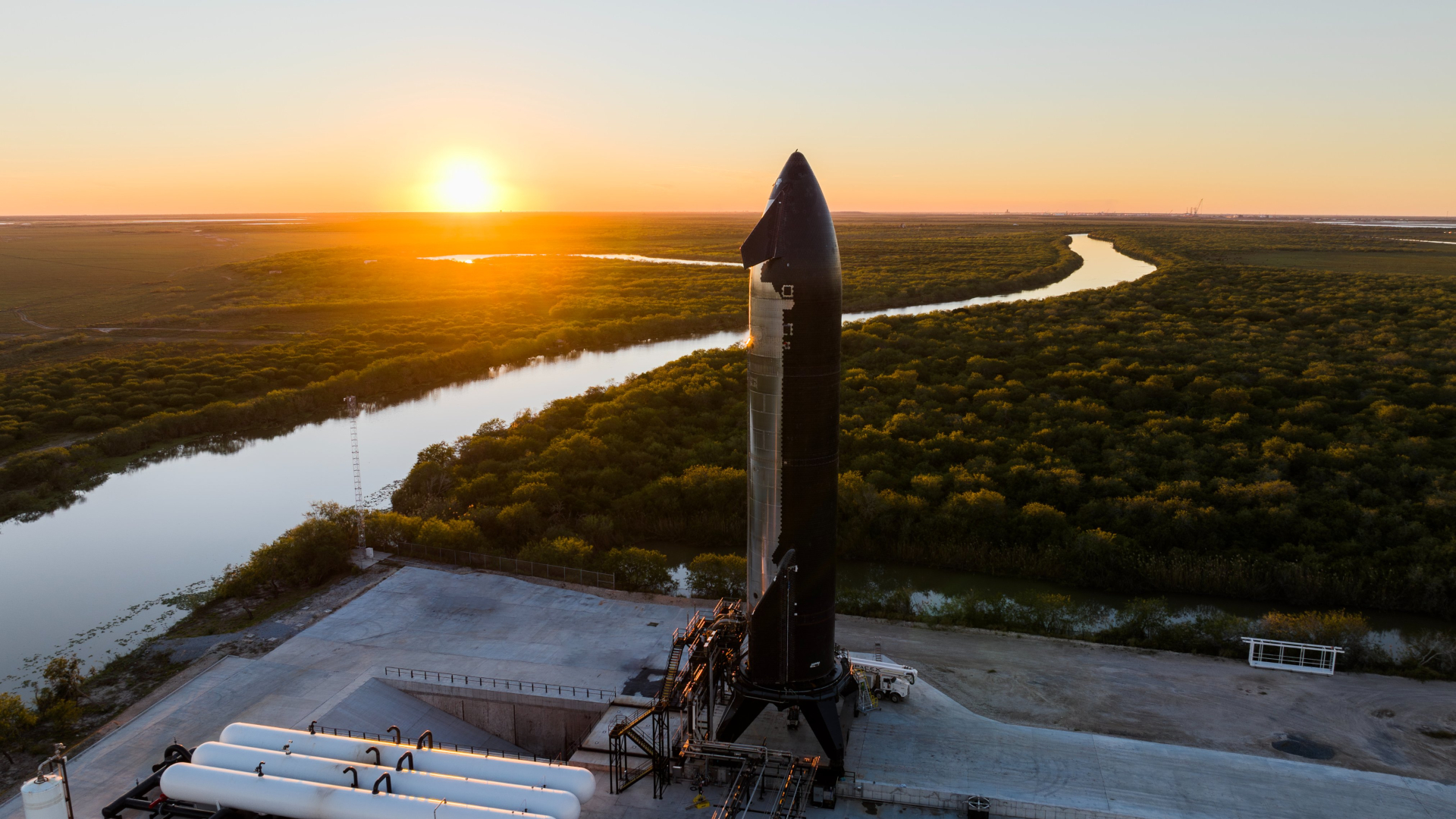
The Federal Aviation Administration (FAA) has officially granted SpaceX the launch license required for the Starship Flight 7 test, marking a crucial milestone for the development of the world’s most powerful rocket. Announced on December 17, this approval permits SpaceX to advance preparations at its Starbase facility in Boca Chica, Texas. The license follows an exhaustive series of engine tests on both the Starship spacecraft and its Super Heavy booster to validate their readiness for launch. Although SpaceX has not specified an exact date, industry insiders speculate that the test could take place in early to mid-January 2025.

Rigorous Preparations in Progress

Flight 7 will follow a trajectory similar to earlier tests, involving the launch of the fully stacked Starship and Super Heavy rocket, an attempted booster catch at the launch tower, and a controlled ocean landing of the Starship in the Indian Ocean near Australia. According to the FAA, stringent safety protocols are being enforced, with SpaceX working closely with regulatory bodies to ensure full compliance with operational standards. These measures underscore the agency’s commitment to balancing innovation with public and environmental safety.

Testing Critical Systems

The primary objectives of Flight 7 include demonstrating booster recovery and validating Starship’s capability to perform safe ocean landings. A prior test in November showcased a successful Starship splashdown in the Indian Ocean but encountered issues with the booster recovery system due to sensor malfunctions. Flight 7 seeks to refine and retest these systems, incorporating adjustments derived from previous data to enhance reliability and performance.

Significance for the Starship Program

As SpaceX prepares for this next milestone, the Flight 7 test represents a pivotal step in the Starship program’s long-term goals. These include supporting lunar missions for NASA’s Artemis program and enabling human exploration of Mars. The FAA’s licensing decision, combined with SpaceX’s engineering refinements, brings the company closer to achieving these ambitious objectives, making the Starship project a cornerstone of future space exploration.