Yazılar

Austria’s Far-Right FPÖ Leads in Upcoming Election: How Did It Rise to Power?

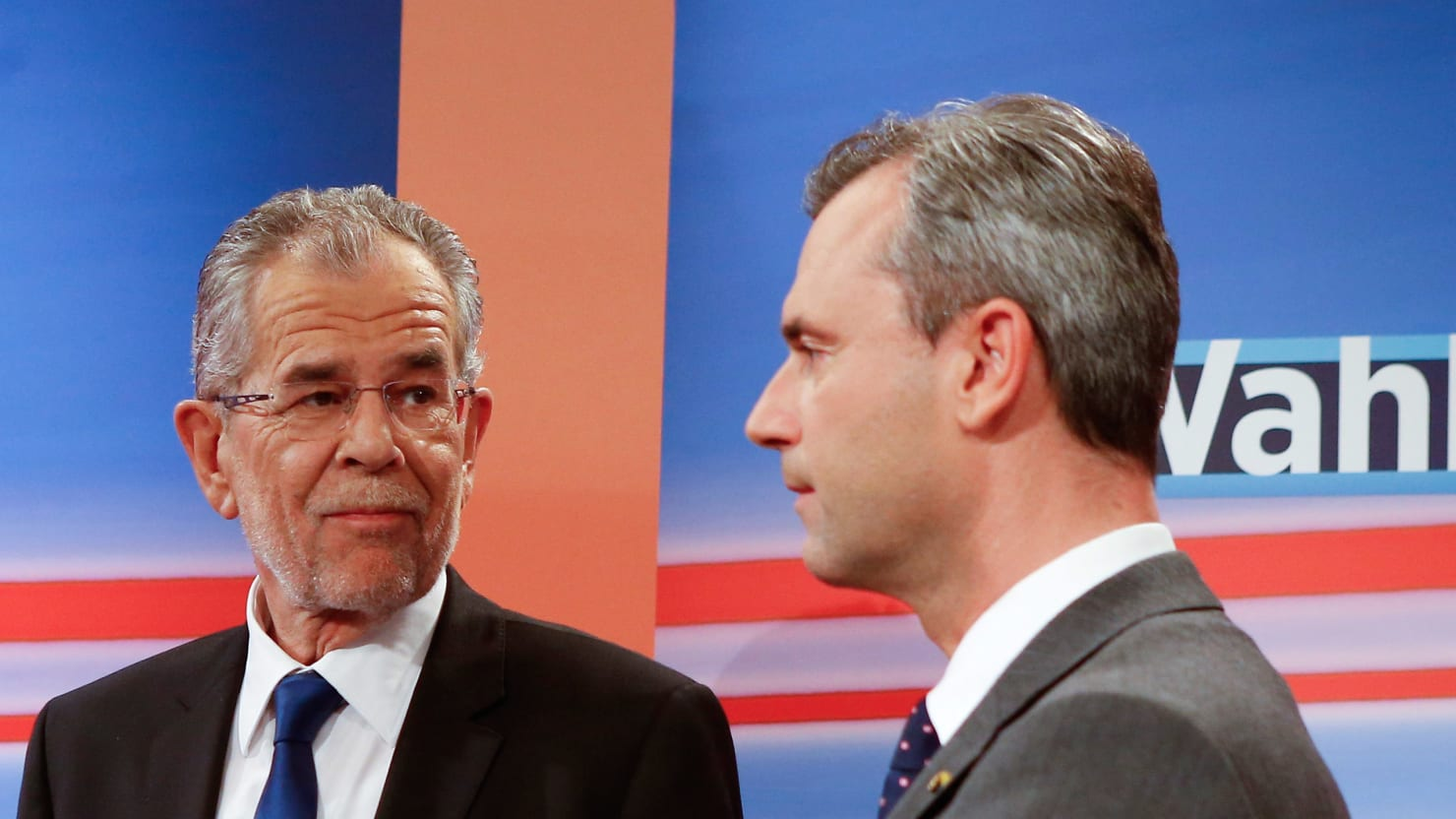
Austria’s Freedom Party (FPÖ), a far-right, anti-immigration party, is expected to win the national election this Sunday, marking another rise of the far-right in Europe. However, unlike many populist movements, the FPÖ is no newcomer. Founded in the 1950s, it has previously held power and is poised to leverage growing discontent with immigration, inflation, and Austria’s relationship with the European Union.

The FPÖ has traditionally drawn support by opposing immigration and the EU, as well as advocating for Austria’s neutrality in the Russia-Ukraine war. Its leader, Herbert Kickl, has promised to fortify the country’s borders and focus on “remigration” policies to return immigrants to their countries of origin. He has also opposed sanctions on Russia and criticized COVID-19 vaccines, describing them as a “genetic experiment.” Kickl’s fiery rhetoric has resonated with Austrians frustrated by inflation, energy dependence on Russia, and the country’s political elite.

Despite its controversial history, rooted in Nazi sympathizers, the FPÖ has garnered substantial support, with polls indicating it could secure around 27% of the vote. However, it is unlikely to win an outright majority and would need a coalition partner. The conservative Austrian People’s Party (ÖVP) could be a potential ally, though current Chancellor Karl Nehammer has expressed reluctance to collaborate with Kickl due to his radical views.

The FPÖ’s rise mirrors broader far-right movements across Europe, as seen in France’s National Rally, Italy’s Lega, and Germany’s AfD. Like these parties, the FPÖ has capitalized on voter disillusionment with mainstream parties, positioning itself as a defender of Austrian values and a voice for those who feel neglected by the political establishment.

If the FPÖ manages to form a coalition, it would strengthen the far-right’s influence, not just in Austria but across Europe, signaling a shift in the political landscape as voters increasingly turn to populist and nationalist platforms.
Exit Polls Show Reprieve for Scholz as SPD Fends Off Far Right in Brandenburg Election

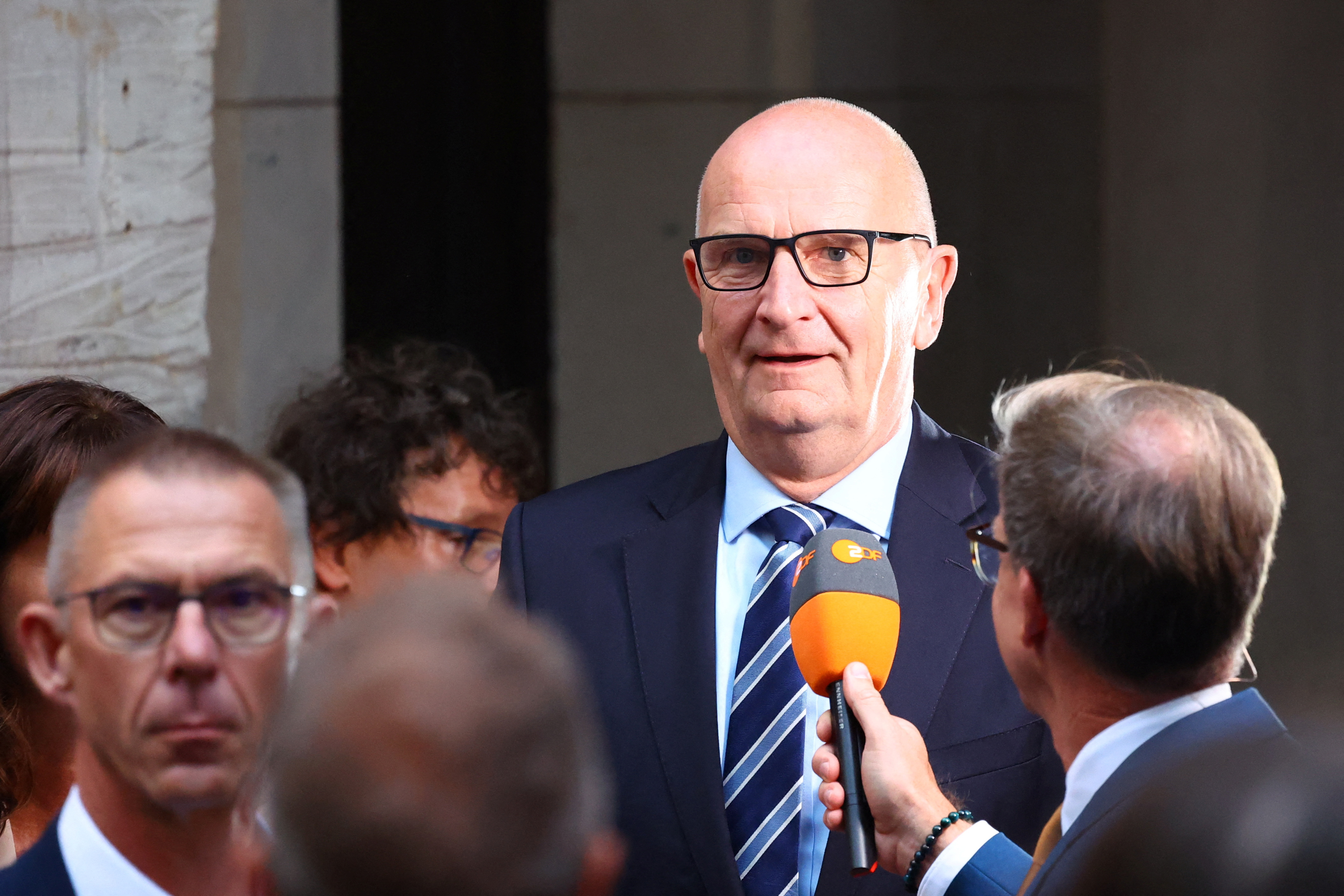
German Chancellor Olaf Scholz’s Social Democrats (SPD) appear to have narrowly held off the far-right Alternative for Germany (AfD) in the Brandenburg state election, according to exit polls. Despite trailing for much of the campaign, the SPD garnered 31.8% of the vote, while the AfD followed closely with 29.2%, according to ZDF broadcaster exit polls. This success may provide temporary relief for Scholz amid ongoing discussions within the SPD about his potential candidacy for the federal election in September 2025.

However, the victory is unlikely to significantly boost Scholz’s standing as Dietmar Woidke, Brandenburg’s SPD premier, distanced himself from the Chancellor and criticized federal policies during the campaign. SPD General Secretary Kevin Kuehnert acknowledged the party’s challenges but noted that the SPD had staged a “furious comeback” in the final weeks of the election.

According to an ARD exit poll, three-quarters of SPD voters cast their ballots to prevent the AfD from gaining control, with turnout reaching 73%, up from 61% in the previous election. On a national level, the SPD is polling at just 15%, significantly behind the opposition conservatives at 32% and the AfD at around 20%.

The election also highlighted growing dissatisfaction with Scholz’s coalition government, which has faced criticism for its internal conflicts and handling of immigration. Voters in eastern Germany have been particularly critical of the government’s support for Ukraine amid Russia’s invasion.

The election follows the AfD’s recent historic win in Thuringia, where it became the first far-right party to top a state election since World War II. In Brandenburg, the AfD gained 5.7 percentage points compared to the last election in 2019, signaling continued momentum. AfD co-leader Tino Chrupalla noted strong support from young voters, echoing trends seen in far-right parties across Europe.

Meanwhile, the newly formed leftist Alliance Sahra Wagenknecht came in third with 12%, followed by the conservatives at 11.6%. This result underscores the ongoing shifts in Germany’s political landscape, making future predictions difficult. The Greens, a junior partner in Scholz’s federal coalition, fell just short of the 5% threshold needed to enter the state parliament, while the Free Democrats (FDP) failed to make a significant impact.


Germany Tightens Migration Controls, Stirring Tensions in Europe

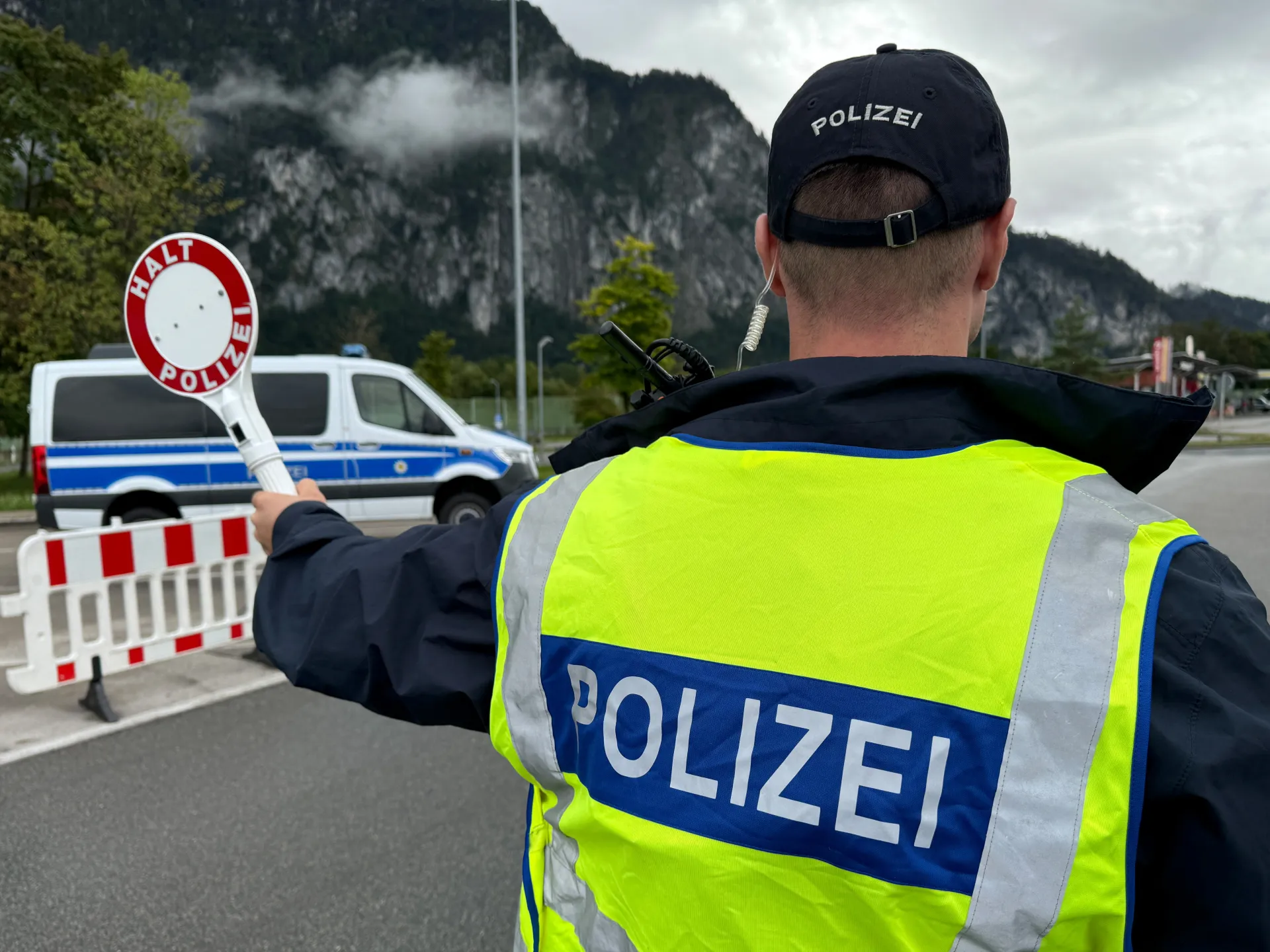
Germany has initiated new controls at all its land borders as part of an intensified crackdown on migration, significantly affecting the Schengen Zone’s free movement. Starting Monday, border controls have been expanded beyond existing checks with Austria, Switzerland, the Czech Republic, and Poland to now include France, Luxembourg, the Netherlands, Belgium, and Denmark. The German Interior Ministry has confirmed that these restrictions, allowing the rejection of individuals at all land borders, will initially last for six months.

The shift underscores Germany’s evolving stance on migration, which has toughened significantly since the country welcomed over one million refugees during the 2015-2016 migrant crisis under former Chancellor Angela Merkel. With a surge in far-right opposition, Germany, like other European nations, is tightening its rules on migration, facing increasing domestic pressure to act.

The move follows Germany’s recent agreement with Kenya, which will allow skilled and semi-skilled Kenyan workers to migrate to Germany. Interior Minister Nancy Faeser emphasized that the new rules are necessary to “strengthen internal security” and combat threats from Islamist terrorism and cross-border crime.

However, this decision has sparked criticism from Germany’s European neighbors and raised concerns over the future of Schengen Zone unity. Poland’s Prime Minister Donald Tusk called the new border controls “unacceptable,” while Austria and Greece have stated that they will not accept migrants rejected by Germany. The German Council for Migration warned that the policy could violate EU law, describing it as “populism” in migration policy.

Chancellor Olaf Scholz’s government faces increasing pressure to address the rise in uncontrolled immigration, especially following a fatal terror attack in Solingen, where a Syrian man with alleged ties to ISIS was involved. The crackdown reflects an effort to counter the growing influence of Germany’s far-right party, Alternative for Germany (AfD), known for its anti-immigrant stance.