Yazılar

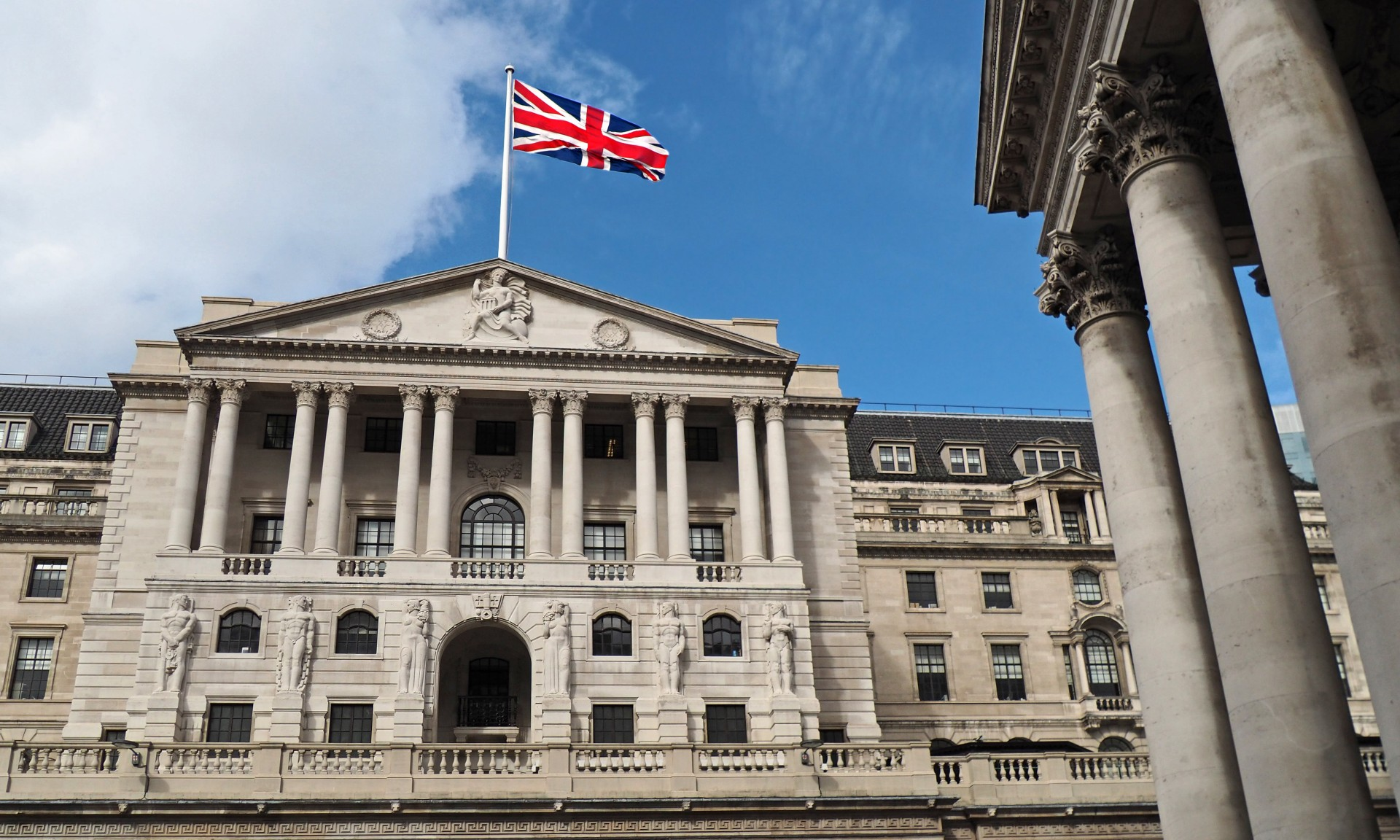
Bank of England to lift stablecoin limits only once risks to financial stability subside

The Bank of England (BoE) will maintain its proposed limits on stablecoin holdings until it is certain that the digital assets pose no risk to the broader financial system, Deputy Governor Sarah Breeden said on Wednesday.

In a speech, Breeden emphasized that the central bank’s cautious approach stems from concerns that large and sudden outflows of bank deposits into stablecoins could destabilize traditional lending. “Such outflows could lead to a precipitous drop in credit for businesses and households,” she warned, if banks are unable to replace lost deposits quickly through wholesale funding.

The BoE has previously suggested caps of between £10,000 and £20,000 ($12,800–$25,600) for individuals, with higher thresholds for businesses. The final levels will be detailed in a consultation paper next month, which will outline the UK’s future stablecoin regulatory framework.

Breeden said the caps would be lifted “once we see that the transition no longer threatens the provision of finance to the real economy.” Large corporations, however, may be exempt so they can hold higher amounts if necessary.

Under the UK’s proposed framework, the BoE would oversee systemic sterling-backed stablecoins — those expected to play a major role in payments — while the Financial Conduct Authority (FCA) would regulate smaller issuers. The BoE is also working with the Treasury on a resolution regime to ensure continuity of services if a stablecoin issuer fails.

Breeden rejected criticism that the UK is lagging in crypto regulation, noting that Britain aims to finalise its framework next year, aligning its timeline with the United States.

UK Regulator Proposes Scrapping £100 Cap on Contactless Card Payments

The Financial Conduct Authority (FCA) has proposed removing the current £100 limit on contactless card transactions in Britain, allowing banks and card providers to set their own thresholds.

Key Points

  • Current cap: £100 ($135.35).

  • Proposal: Card providers gain flexibility to set limits based on customer needs.

  • Rationale: Supports economic growth and prioritises digital solutions, part of 50 FCA measures announced earlier this year.

Customer Protection

  • Cardholders can already adjust their own limits or disable contactless.

  • Fraud protections remain in place: providers must refund money if cards are used fraudulently.

FCA Statement

David Geale, FCA’s Executive Director of Payments and Digital Finance, said:

“While we wouldn’t expect to see immediate changes to limits by firms, they would have the flexibility to make payments more convenient for customers.”

Timeline

  • Consultation period: Open until October 15.

  • Potential rollout depends on industry feedback and FCA’s final decision.

UK Regulator Fines Monzo £21 Million ($28.6 Million) for Weak Financial Crime Controls

Britain’s financial regulator, the Financial Conduct Authority (FCA), has fined digital bank Monzo £21.1 million ($28.57 million) for inadequate anti-financial crime systems and controls. The FCA highlighted failures in Monzo’s procedures between October 2018 and August 2020, including accepting customers who used well-known landmarks such as Buckingham Palace and 10 Downing Street as their addresses.

As Monzo expanded rapidly, it did not maintain sufficient safeguards to prevent financial crime risks, the FCA said in a statement issued Tuesday. After a 2020 review, the FCA imposed restrictions preventing Monzo from opening accounts for high-risk customers. However, from August 2020 to June 2022, Monzo repeatedly breached this requirement, onboarding over 34,000 high-risk customers.

Therese Chambers, FCA joint executive director of enforcement and market oversight, said, “Monzo onboarded customers on the basis of limited, and in some cases, obviously implausible information — such as customers using well-known London landmarks as an address. This illustrates how lacking Monzo’s financial crime controls were.”

Monzo’s CEO TS Anil acknowledged the issues but stressed that the problems have been resolved and substantial improvements have been made. Monzo remains committed to fighting financial crime.

Launched in 2015, Monzo is among the fastest-growing fintech firms in the UK. Yet, regulatory scrutiny has increased over financial crime controls in fintechs; Starling Bank was fined £29 million in 2024 for similar failings in anti-money laundering and sanctions screening systems.

Despite the fine, Monzo reported strong financial performance in its latest results, with pretax profit rising to £60.5 million for the year ending March 31, 2025, compared to £13.9 million the previous year. CEO Anil said it was too early to discuss a potential IPO.