Yazılar

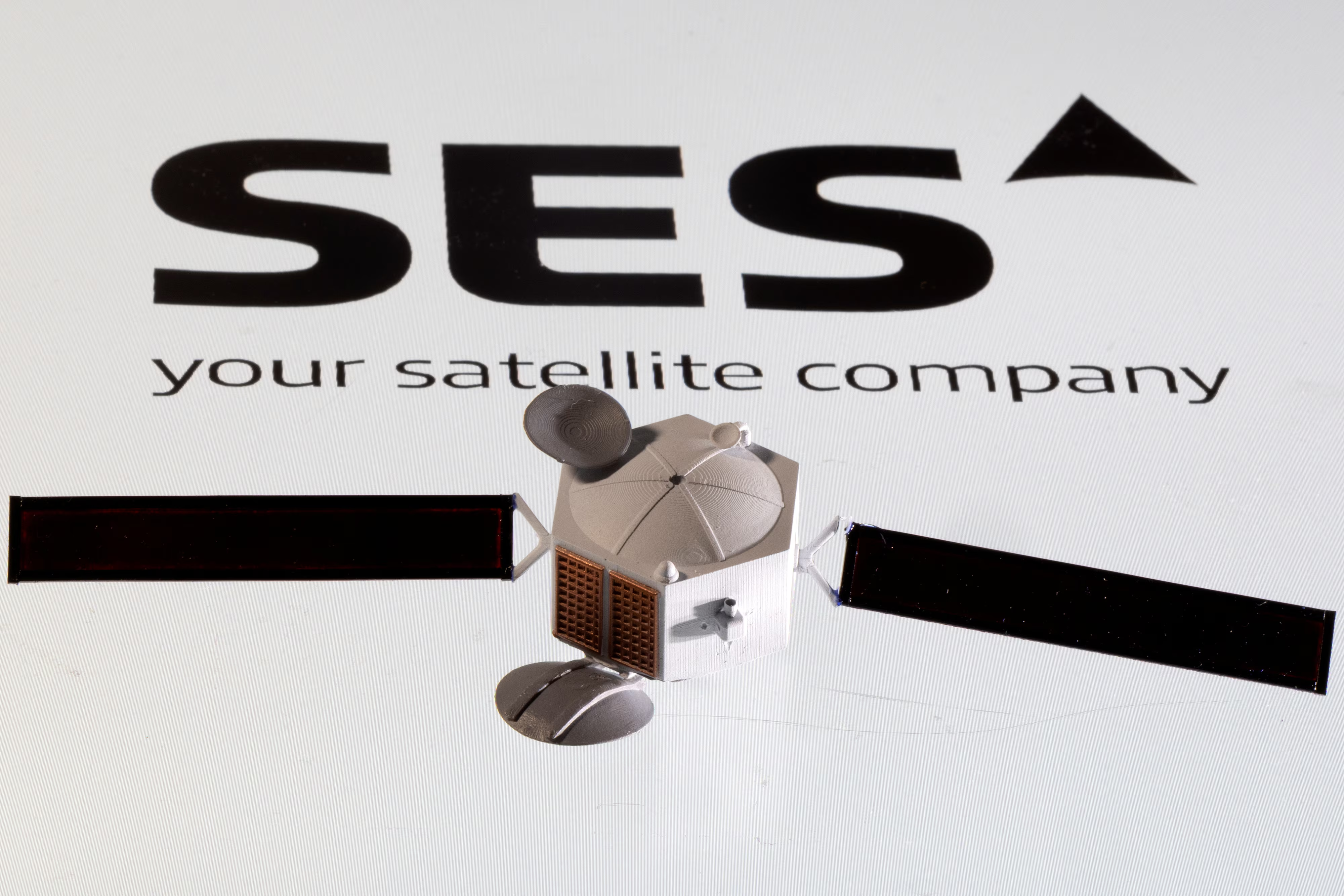
SES Appoints Aerospace Veteran Elisabeth Pataki as New CFO Amid Intelsat Acquisition

European satellite operator SES announced on Friday the appointment of Elisabeth Pataki as its new chief financial officer, effective June 16. Pataki, currently CFO of Aerojet Rocketdyne, a unit of aerospace and defense giant L3Harris, will succeed Sandeep Jalan in the role.

SES CEO Adel Al-Saleh praised Pataki’s extensive experience in the aerospace sector and highlighted her successful track record in managing complex M&A finance integrations. This expertise comes as SES pursues a major $3.1 billion acquisition of Intelsat, a deal set to be one of the decade’s largest in the satellite industry and aimed at challenging SpaceX’s Starlink dominance.

The satellite sector is undergoing significant disruption as Starlink’s rapid expansion pressures traditional operators like SES, raising concerns about their financial stability. SES carries over $5 billion in total debt and has seen its five-year credit default swap (CDS) spreads climb to 235 basis points recently, signaling increased investor worries over default risk.

Despite this, SES confirmed in April that it has secured full financing for the Intelsat acquisition, which is currently awaiting approval from European antitrust authorities. The deal is seen as a strategic move to strengthen SES’s competitive position in a rapidly evolving market.

SES Appoints Aerospace Veteran Elisabeth Pataki as New CFO Amid Intelsat Acquisition

European satellite operator SES announced on Friday the appointment of Elisabeth Pataki as its new chief financial officer, effective June 16. Pataki, currently CFO of Aerojet Rocketdyne, a unit of aerospace and defense giant L3Harris, will succeed Sandeep Jalan in the role.

SES CEO Adel Al-Saleh praised Pataki’s extensive experience in the aerospace sector and highlighted her successful track record in managing complex M&A finance integrations. This expertise comes as SES pursues a major $3.1 billion acquisition of Intelsat, a deal set to be one of the decade’s largest in the satellite industry and aimed at challenging SpaceX’s Starlink dominance.

The satellite sector is undergoing significant disruption as Starlink’s rapid expansion pressures traditional operators like SES, raising concerns about their financial stability. SES carries over $5 billion in total debt and has seen its five-year credit default swap (CDS) spreads climb to 235 basis points recently, signaling increased investor worries over default risk.

Despite this, SES confirmed in April that it has secured full financing for the Intelsat acquisition, which is currently awaiting approval from European antitrust authorities. The deal is seen as a strategic move to strengthen SES’s competitive position in a rapidly evolving market.

Russia Reports Use of Bitcoin in Foreign Trade, Confirms Finance Minister

Russia Begins Using Bitcoin for Foreign Trade Amid Western Sanctions, Says Finance Minister

Russia has officially started using Bitcoin and other cryptocurrencies for international transactions, as companies in the country adapt to new legislative changes aimed at countering the impact of Western sanctions. Finance Minister Anton Siluanov confirmed on Wednesday that this move is part of Russia’s broader strategy to bypass traditional banking systems, which have been heavily scrutinized by Western regulators due to sanctions.

The sanctions have made it increasingly difficult for Russia to maintain trade relations with major partners like China and Turkey, with local banks showing reluctance to engage in Russia-related transactions. To mitigate this challenge, Russia has turned to digital currencies as an alternative means of conducting foreign trade, providing a way to circumvent the restrictions placed on its financial system.

In response to the growing use of cryptocurrencies, Russia has also taken significant steps to regulate their usage, including legalizing cryptocurrency mining activities. This move aligns with Russia’s ambitions to become a global leader in Bitcoin mining, which has already seen significant investment in infrastructure. The country is capitalizing on its abundant energy resources to support mining operations, positioning itself as a key player in the cryptocurrency ecosystem.

By embracing digital currencies for foreign trade and strengthening its position in the global Bitcoin mining market, Russia is seeking to reduce its reliance on traditional financial institutions. This shift not only helps mitigate the impact of sanctions but also opens new opportunities for the country to engage in global trade, despite increasing international pressure.