Yazılar

Tech Mahindra Focuses on Expanding BFSI Segment to Close Gap with Larger Rivals

Tech Mahindra, India’s fifth-largest software services exporter, is intensifying its efforts in the banking, financial services, and insurance (BFSI) sector to bridge the revenue gap with its larger competitors. CEO Mohit Joshi, who took charge in December 2023 after two decades at Infosys, aims to increase the contribution of BFSI to Tech Mahindra’s total revenue from 16% to 25% by March 2027.

Focus on BFSI Expansion

Joshi acknowledges that while the company has historically relied on telecom clients for revenue, the BFSI sector represents a more lucrative and growing opportunity. India’s $254 billion IT sector sees some peers generate as much as a third of their revenue from BFSI, and Joshi intends to ensure Tech Mahindra captures a larger share of this market. “We still have a lot of room to catch up,” he noted.

Targeting Core Banking and Insurance Services

Tech Mahindra will focus on key segments within BFSI, including core banking, payments, asset and wealth management, custodian services, and insurance. These areas are among the largest technology spenders, with large banks spending over $10 billion annually on tech services, making it a crucial area of growth for Tech Mahindra. Joshi’s leadership has already strengthened the company’s BFSI division to tap into these opportunities.

Role of Generative AI in BFSI

Joshi views generative artificial intelligence (GenAI) as an enabler rather than a threat to the tech services sector. He believes that AI will increase the demand for technology services, especially in sectors like BFSI, rather than diminishing the need for developers. “GenAI is the best spokesperson for why we need more money to be spent on technology,” Joshi said, adding that the demand for developers will continue to grow due to the increased complexity of tasks.

Human Element in Customer Service

While some fear AI could replace human roles in customer service, Joshi remains skeptical about a widespread shift to AI-driven contact centers. He emphasized that for critical issues, customers will still prefer human interaction over AI solutions.
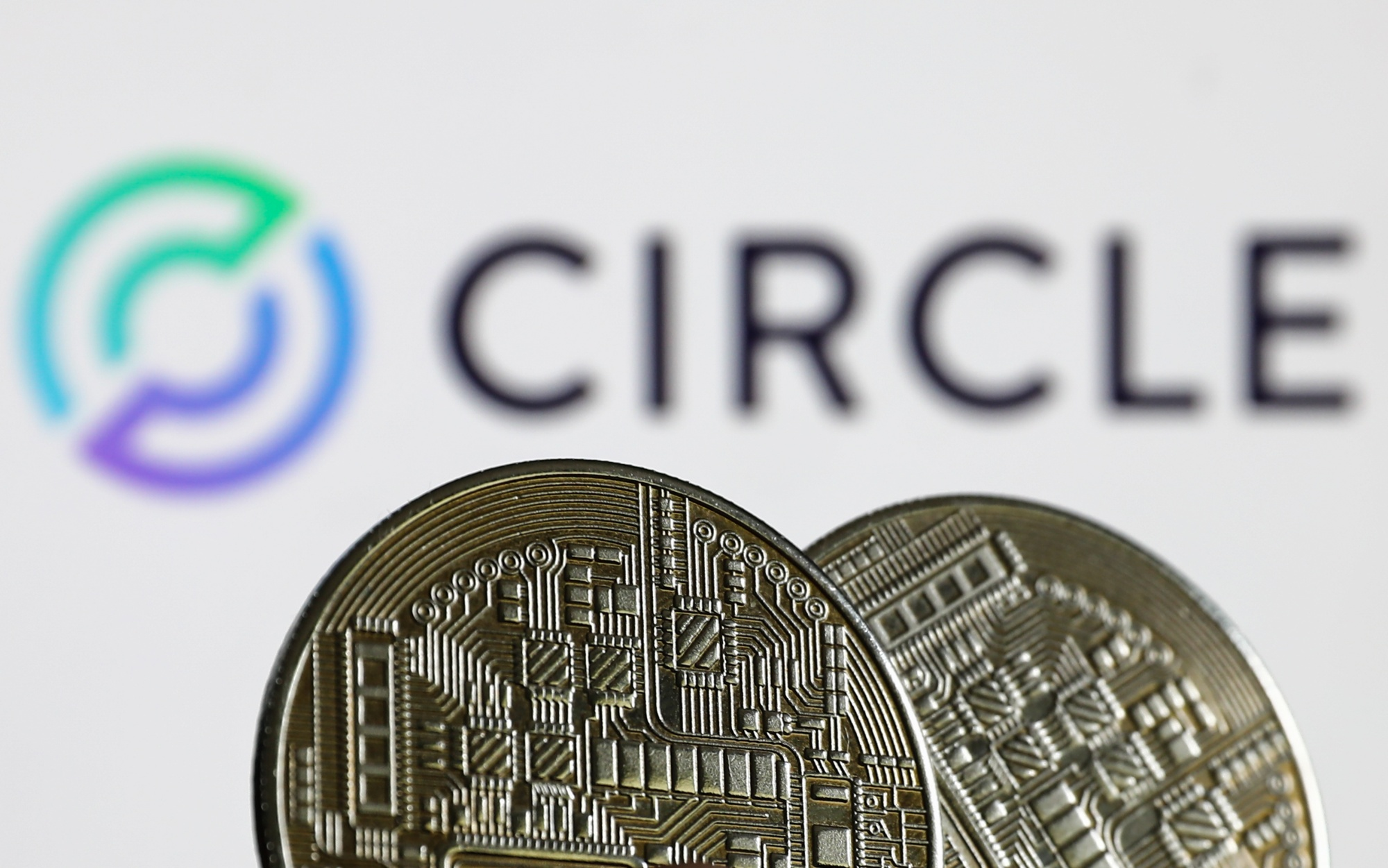
 

Circle Expects UK Stablecoin Legislation Within Months

Crypto firm Circle anticipates that the United Kingdom will introduce stablecoin legislation within a timeframe of “months, not years.” Dante Disparte, Circle’s global head of policy, expressed optimism during a recent interview in London, suggesting that formal laws governing stablecoins—a type of cryptocurrency pegged to government currencies like the U.S. dollar or British pound—are on the horizon.

Legislative Outlook

Disparte believes that the U.K. is nearing a critical point in developing regulations for the stablecoin market. “I think we’re within months, not years,” he stated, while the Treasury and the Bank of England did not provide immediate comments on the matter. Disparte noted that the U.K.’s cautious approach to crypto regulation may have been wise, especially following significant events in 2022, such as the collapse of the FTX exchange, which was once valued at $32 billion.

He remarked, “You could also look back, and I think many in the U.K. and in other countries would argue that they’re vindicated in not having jumped in too quickly.” However, he emphasized that the urgency for formal stablecoin regulations has increased recently, as the U.K. risks missing out on technological benefits.

Competitive Landscape

Disparte pointed out that the U.K. must catch up with the European Union, which has initiated regulation of stablecoins under the MiCa (Markets in Crypto Assets) framework. Singapore has also established formal laws for its stablecoin industry. He argued that while protecting the U.K. economy from excessive risks in the crypto sector is crucial, delaying regulations could stifle job creation and future industries.

Among the potential benefits of stablecoins, Disparte highlighted advancements in wholesale banking, real-time payments, and the digitization of the British pound. There are ongoing discussions at the Bank of England about the possible introduction of a digital version of the pound, often referred to in the media as “Britcoin.”

Recent Developments in UK Crypto Regulation

The push for regulatory clarity on stablecoins isn’t new. Under Prime Minister Rishi Sunak, the U.K. government aimed to position Britain as a global crypto hub. Sunak’s administration previously indicated that legislation for stablecoins and crypto-related services like staking and exchange could emerge as early as June or July.

In April, the government outlined its intention to lead in the crypto space by integrating stablecoins into the regulatory framework. They responded to a consultation on crypto industry regulations last October, stating that a “phase 2 secondary legislation” would be introduced in 2024, contingent on parliamentary approval.

However, the current Labour government has been less vocal about crypto regulation compared to its predecessor. In January, the Labour Party released a financial services plan proposing to establish the U.K. as a hub for securities tokenization, which involves digital assets representing ownership of real-world financial assets.

The Stablecoin Market

The stablecoin sector has grown significantly, now valued at over $170 billion, according to CoinGecko. The largest stablecoin, Tether’s USDT, boasts a market capitalization exceeding $120 billion, while Circle’s USDC ranks second with around $34 billion in circulation.

Despite its growth, the stablecoin market has faced controversies. In 2022, USDT temporarily lost its $1 peg after the collapse of a rival stablecoin, terraUSD, raising concerns about Tether’s backing of its assets. Tether asserts that its coin is fully backed by dollars and dollar-equivalent assets, including government bonds.

Conclusion

As Circle anticipates rapid progress in stablecoin legislation, the U.K. is at a pivotal moment to enhance its regulatory framework and maintain its competitive edge in the evolving cryptocurrency landscape.