Yazılar

WWII American Bomb Explodes at Japanese Airport, Creating Large Crater and Halting Flights

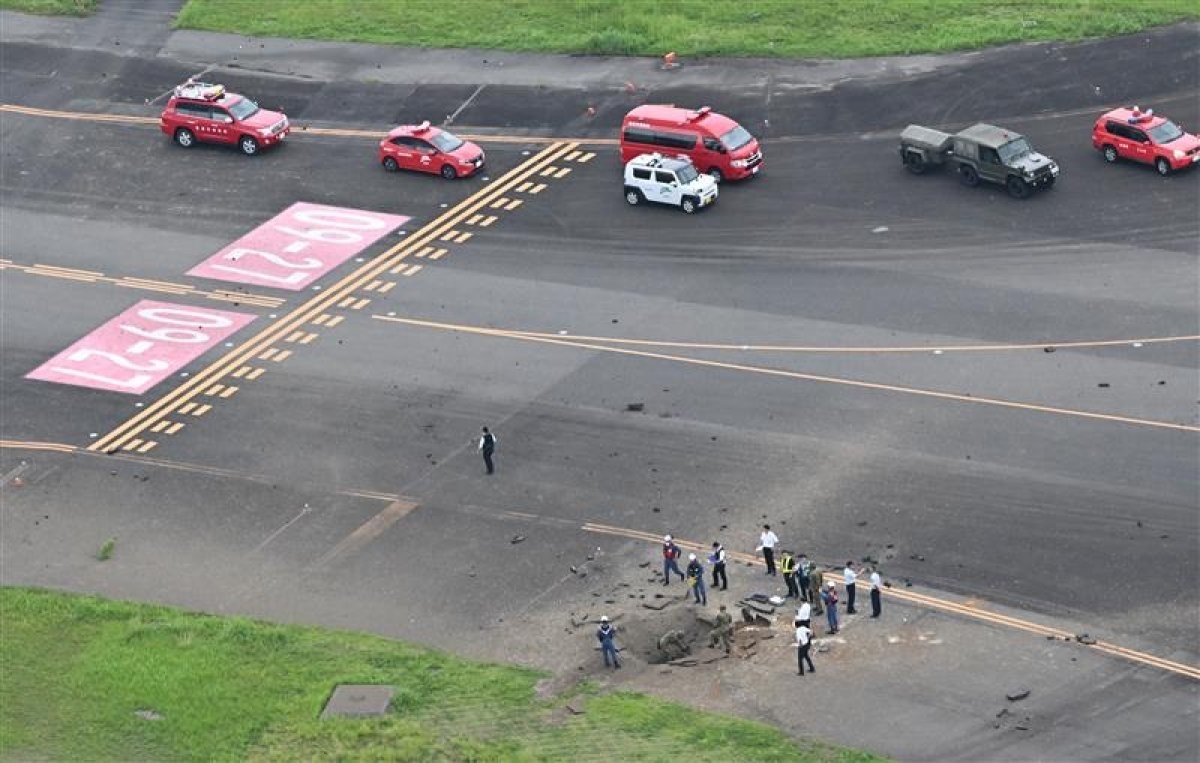
A buried American World War II bomb exploded at Miyazaki Airport in southwestern Japan on Wednesday, causing a large crater in a taxiway and leading to the cancellation of over 80 flights. Fortunately, no injuries were reported, according to Japanese officials.

The Land and Transport Ministry confirmed that there were no aircraft near the site when the bomb, weighing 500 pounds, suddenly detonated. Investigations by the Self-Defense Forces and police identified the explosive as an American bomb dropped during World War II. Officials are currently trying to determine the cause of its unexpected detonation, but they have assured the public that there is no further danger.

A video captured by a nearby aviation school revealed the dramatic explosion, with asphalt fragments shooting up into the air like a fountain. Further footage broadcast on Japanese television showed a crater approximately 7 meters (23 feet) in diameter and 1 meter (3 feet) deep on the airport’s taxiway.

The incident severely disrupted airport operations, with Chief Cabinet Secretary Yoshimasa Hayashi announcing the cancellation of more than 80 flights. Miyazaki Airport hopes to resume normal operations by Thursday morning.

The airport, originally constructed in 1943 as an Imperial Japanese Navy flight training field, holds historical significance as it was once a launch site for kamikaze pilots on suicide missions during the war. The area has seen several discoveries of unexploded bombs from U.S. military airstrikes conducted during WWII, according to officials from Japan’s Defense Ministry.

While Japan is known for its careful removal of wartime explosives, hundreds of tons of unexploded ordnance remain buried throughout the country. These bombs are occasionally discovered during construction work, and incidents like the one at Miyazaki Airport highlight the enduring impact of the war on Japanese infrastructure.
Weakened but Powerful Typhoon Krathon Hits Taiwan, Killing Two

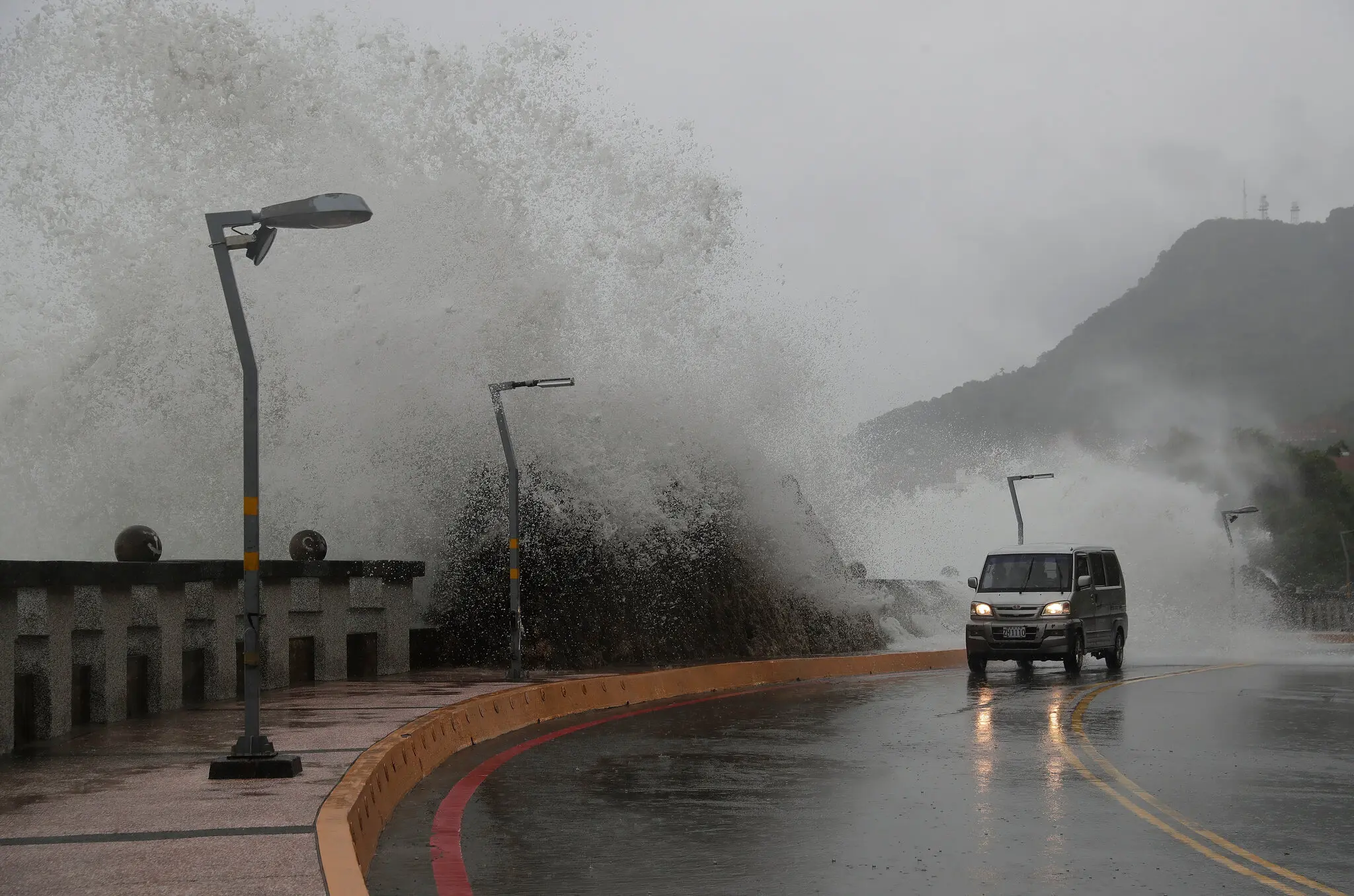
Typhoon Krathon, although weakened to a category 1 storm, hit southwestern Taiwan on Thursday, leaving two people dead and causing significant disruption across the island. Making landfall near Kaohsiung, a major port city, the storm brought with it heavy rain, strong winds, and dangerous storm surges. Despite the typhoon’s reduced intensity, authorities urged residents to remain indoors as gusts over 160 kph (100 mph) were recorded, with Kaohsiung’s port experiencing even stronger winds of more than 220 kph.

Kaohsiung Mayor Chen Chi-mai expressed concern about people continuing to venture outside despite the warnings, calling it “very dangerous” to be on the streets with such severe weather conditions. The storm led to widespread disruptions, grounding hundreds of flights, closing financial markets for a second day, and halting high-speed rail services between central and southern Taiwan.

Tragically, the typhoon has claimed two lives so far. One man fell while trimming a tree, and another died when his vehicle was hit by a falling rock. Both incidents occurred on Taiwan’s eastern, mountainous regions, which have been hit particularly hard by torrential rain, causing landslides and road blockages.

Although Taiwan is no stranger to typhoons, Krathon’s path was unusual. The storm hovered off the coast for some time before making landfall on Taiwan’s west coast—a rarity in a region where storms typically strike the east. Local media has described Krathon as a “weird” storm due to its erratic behavior and unusual trajectory.

Amid the chaos, the Southern Taiwan Science Park, home to major semiconductor factories like TSMC, reported that operations were continuing as normal. However, heavy rainfalls exceeding 1.6 meters (5.2 feet) in parts of eastern Taiwan led to significant flooding and mudslides.

In an unrelated but tragic incident, six people died in a hospital fire in Pingtung County. Efforts were made to evacuate patients as authorities worked through the storm to manage the disaster.

Typhoon Krathon is expected to weaken into a tropical depression by Friday as it continues moving north, but authorities remain on alert for further impacts.


Cathay Pacific Grounds A350 Fleet for Engine Inspections After Failure Incident

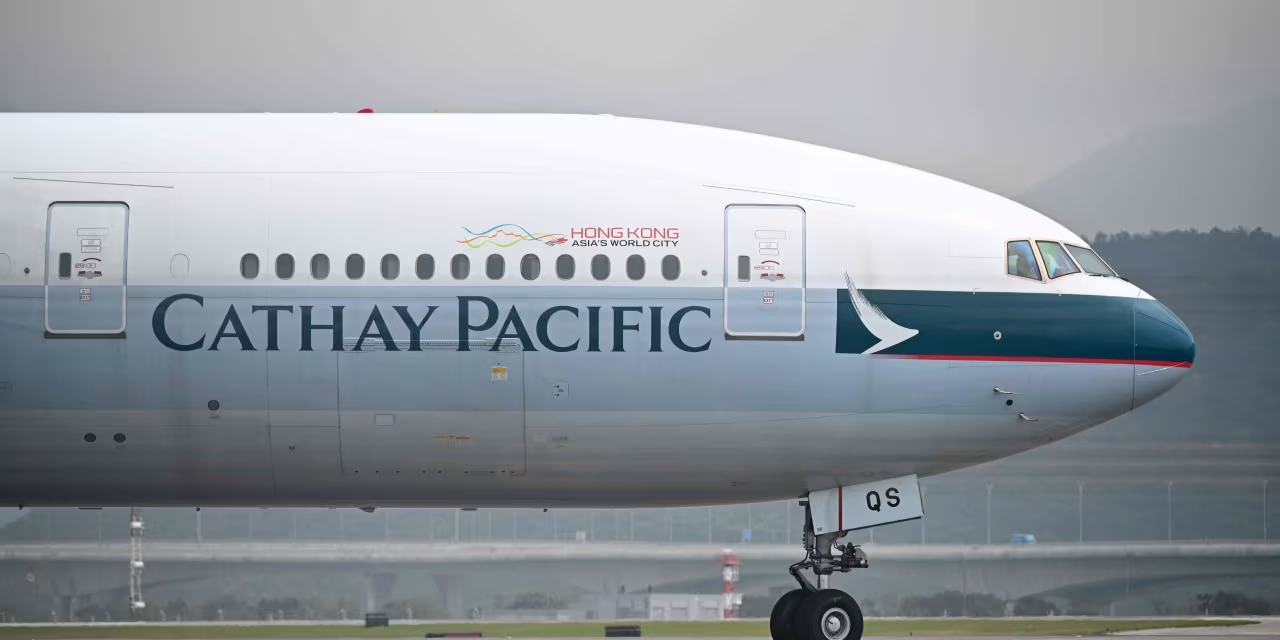
Cathay Pacific has grounded its entire fleet of Airbus A350 jets following the discovery of an engine component failure on flight CX383 from Hong Kong to Zurich. The airline has canceled 24 flights over two days to address the issue. The failure, identified as a first-of-its-kind problem affecting a fuel nozzle, prompted a comprehensive inspection of its 48 A350 aircraft.

The failure occurred on a Trent XWB-97 engine, produced by Rolls-Royce, which powers the A350. Cathay Pacific is working with Airbus, Rolls-Royce, and regulators to investigate and resolve the issue. Rolls-Royce has expressed its commitment to support the investigation and improve the engine’s reliability.

The incident follows recent issues faced by Boeing, highlighting ongoing challenges in the aviation industry. Boeing has been dealing with a safety crisis related to its 737 Max and delays in its 777X aircraft. The grounding of Cathay Pacific’s A350 fleet is a significant move, reflecting the broader scrutiny and maintenance challenges currently impacting major aircraft manufacturers.