Yazılar

Malaysia’s PM Anwar Ibrahim Intensifies Anti-Corruption Efforts as Country Courts Investment

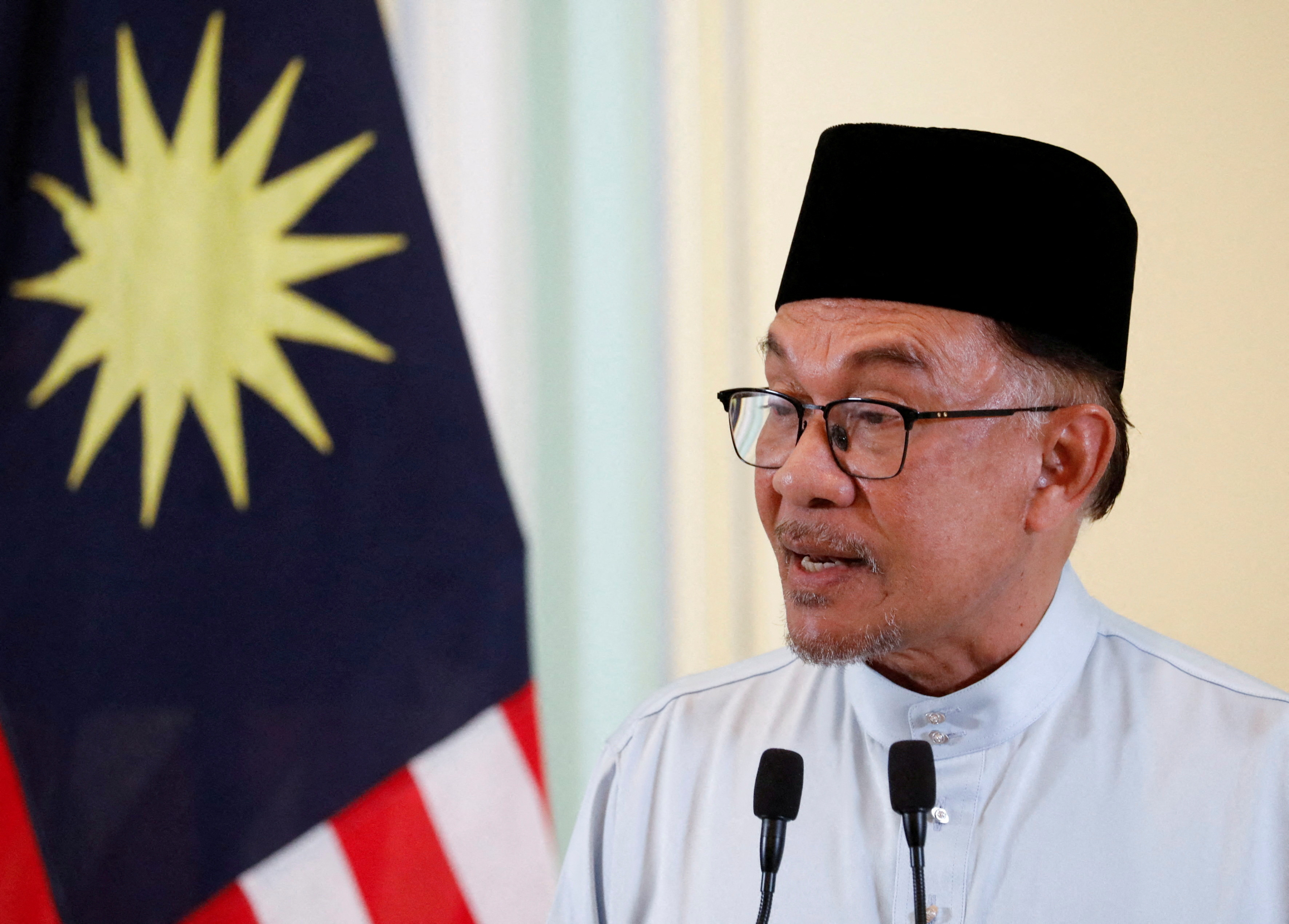
As Malaysia approaches the second anniversary of Prime Minister Anwar Ibrahim’s leadership, his battle against corruption remains at the forefront of his administration’s agenda. Anwar has been unwavering in his determination to address corruption, viewing it as a major obstacle to securing foreign direct investment (FDI) and boosting investor confidence.

“We have to save the country. To my mind, the major problem is poor governance and endemic corruption,” Anwar stated in an interview JP Ong. He emphasized that transparent processes and a strong commitment to eradicating corruption are essential for instilling confidence among both domestic and foreign investors. “Without that trust [and] confidence, nobody will invest in a big way,” he added.

While acknowledging progress in the fight against corruption, Anwar stressed that the mission is far from over. He described corruption in Malaysia as “almost systemic” and vowed to pursue his anti-corruption campaign with “full force.”

Despite ongoing efforts, Malaysia’s FDI inflows dropped to 40.4 billion Malaysian ringgit ($9.7 billion) in 2023, a decrease from 48.1 billion ringgit in 2021. Furthermore, the country lost an estimated 277 billion ringgit in economic output due to corruption between 2018 and 2023. When asked if the government was being too aggressive in its crackdown, Anwar expressed frustration: “Damn it … I would just go after them without mercy.” However, he clarified that he must balance his actions with coalition discussions to ensure a thoughtful, effective approach.

Anwar refrained from addressing specific corruption cases during the interview, but the shadow of the infamous 1Malaysia Development Berhad (1MDB) scandal, which saw former Prime Minister Najib Razak convicted of embezzlement, looms large in Malaysia’s fight for good governance.

In May 2024, Malaysia launched a new national anti-corruption strategy, aiming to elevate the country’s standing in Transparency International’s Corruption Perception Index. Currently ranked 57th, Malaysia aspires to break into the top 25 over the next decade.

While the country’s economy expanded by 5.1% in the first half of 2024, growth has slowed compared to the 8.7% surge seen in 2022. Nonetheless, Malaysia is moving forward with ambitious plans to attract investment, including the development of two special economic zones: the Johor-Singapore Special Economic Zone and the Forest City special financial zone. The latter aims to transform Iskandar Puteri into a thriving business district, offering incentives such as a zero-percent tax rate for family offices, which the government hopes will draw significant investment.
 

Saudi Investment Minister Defends Vision 2030 Amid Skepticism and Promotes ‘Green Shoring’

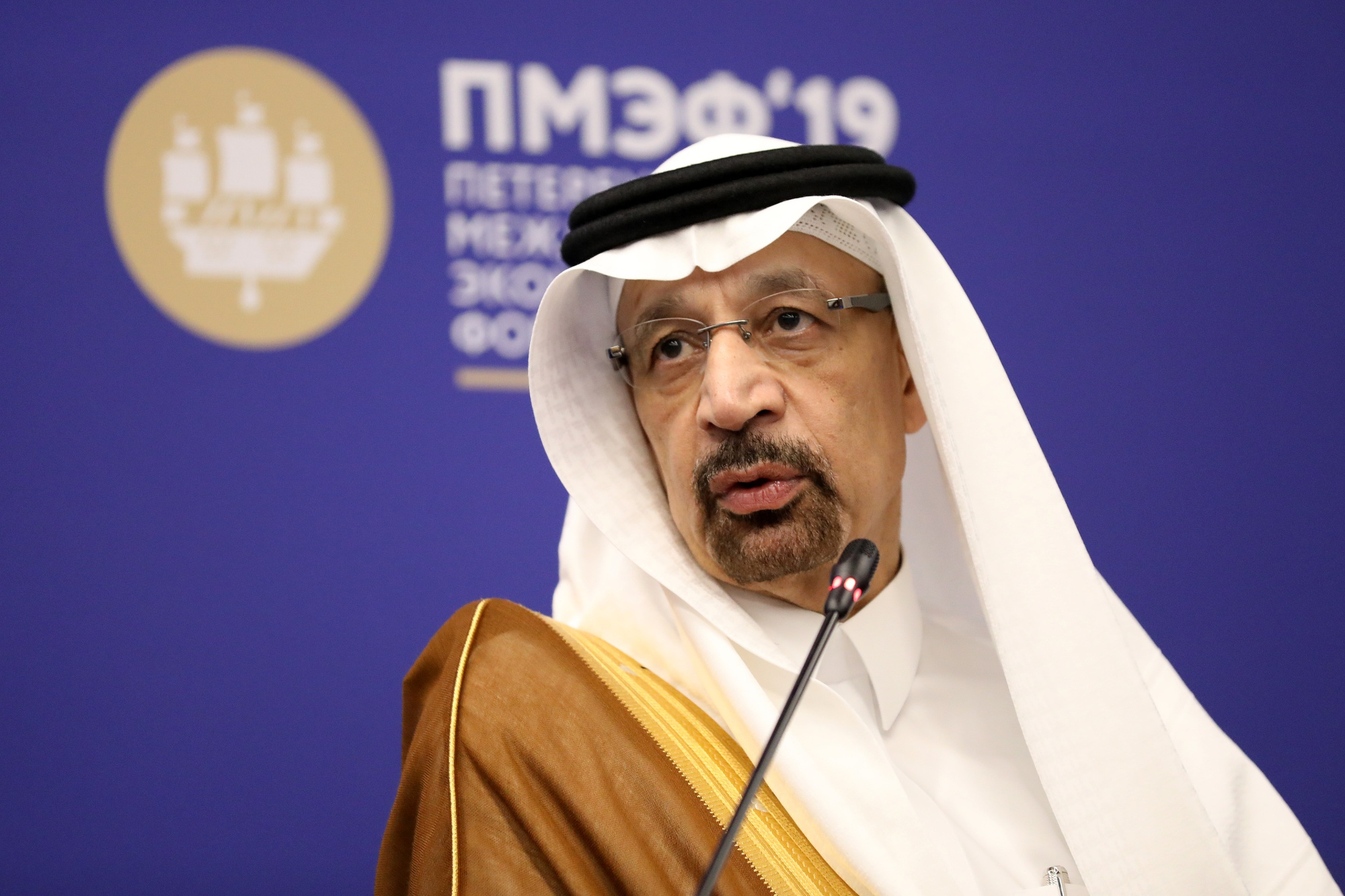
Saudi Arabia’s investment strategy under Vision 2030, led by Minister Khalid al-Falih, is facing skepticism, but the kingdom remains steadfast in its ambitious diversification plans. Despite doubts about Saudi Arabia’s ability to transition from its long-standing reliance on oil, the country is actively pursuing “green shoring” as a key component of its investment strategy to attract foreign financing. Vision 2030 aims to reduce the nation’s dependence on oil revenues and foster economic growth through 14 mega-projects, including the Neom industrial complex. The initiative seeks to channel over $3 trillion into the domestic economy and attract $100 billion in foreign investment annually by 2030. Al-Falih emphasized that Saudi Arabia has already achieved or is close to meeting 87% of its targets, demonstrating strong commitment to the plan. The kingdom has also intensified efforts to enhance its investment climate with market liberalization and reforms, although concerns about its legal framework and dispute resolution persist. Green shoring, which focuses on decarbonizing supply chains through renewable energy, is a major selling point for Saudi Arabia. The initiative aims to leverage the kingdom’s logistics, capital, and infrastructure to drive sustainable development. Saudi Arabia is committed to reaching net-zero emissions by 2060 and has been active in climate discussions, though some critics argue that its promotion of carbon capture and storage may be a cover for continued oil production. The green shoring strategy also targets improving global supply chain resilience and supporting the transition to a greener economy by focusing on critical materials and technologies.


Saudi Arabia’s Fiscal Breakeven Oil Price Rises as Vision 2030 Drives Massive Spending

Saudi Arabia, the world’s largest crude oil exporter with production costs as low as $10 per barrel, is facing rising fiscal breakeven oil prices due to its ambitious Vision 2030 plans, which aim to modernize the economy and reduce dependence on oil revenue. With oil accounting for 75% of its fiscal revenue, the kingdom’s budget has become increasingly strained. The International Monetary Fund (IMF) forecasted Saudi Arabia’s breakeven oil price at $80.90 per barrel in 2023, but that figure is expected to rise to $96.20 in 2024 as the country invests heavily in major projects and prepares to host global events like the World Cup 2034 and Expo 2030. Some analysts believe the breakeven price could reach $100 or higher, including the financial demands of the kingdom’s Public Investment Fund (PIF) for multitrillion-dollar projects like NEOM. Despite the challenges, Saudi Arabia’s strong foreign currency reserves, low public debt relative to international standards, and bond market access give it flexibility to manage deficits. While risks such as potential global economic slowdowns and increasing oil supply from non-OPEC+ countries remain, the kingdom’s focus on economic diversification has shown promise, with non-oil sectors growing and job creation on the rise. The newly approved investment law is expected to further enhance foreign investment, although uncertainties surrounding global oil demand persist, especially in light of geopolitical tensions and trade wars between major economies.