Yazılar

Chinese Hack of U.S. Treasury Targets Economic Sanctions Office

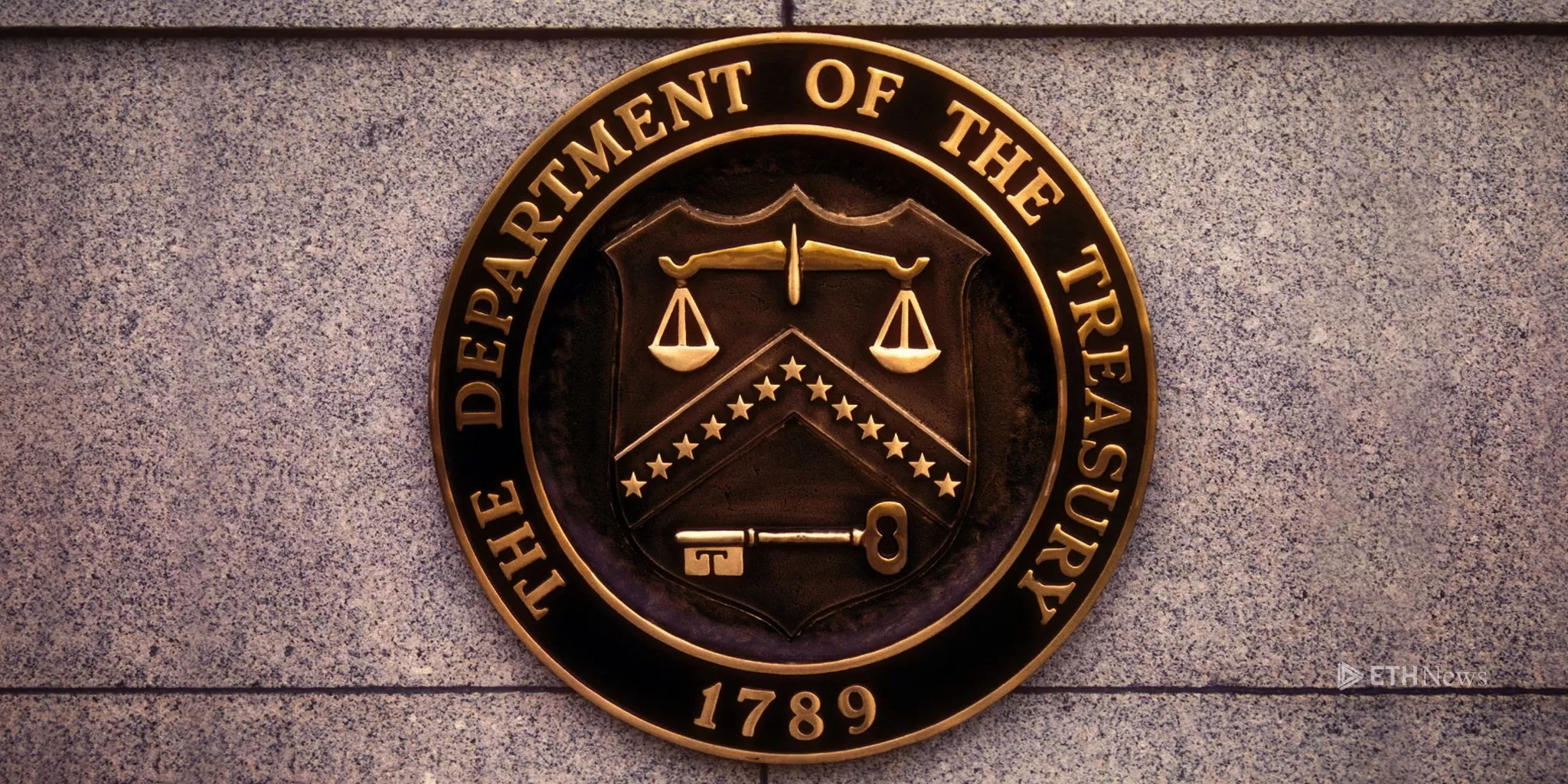
A cyberattack by Chinese government hackers successfully breached the U.S. Treasury’s office responsible for administering economic sanctions, the Washington Post reported on Wednesday. According to unnamed U.S. officials, the hackers infiltrated the Office of Foreign Assets Control (OFAC), the Office of Financial Research (OFR), and even targeted the office of U.S. Treasury Secretary Janet Yellen.

The Treasury Department had already disclosed the breach earlier this week in a letter to lawmakers, describing it as a “major incident” where unclassified documents were stolen. However, the department did not reveal the specific departments or individuals affected by the attack.

In response to the Washington Post‘s report, Liu Pengyu, a spokesperson for the Chinese Embassy in Washington, dismissed the U.S. claims as “irrational” and lacking factual basis, calling them “smear attacks” against China. The statement emphasized that China opposes all forms of cyberattacks but did not specifically address the report regarding the targeted offices.

The Treasury Department has not yet commented on the details revealed in the Washington Post report. According to the sources cited by the paper, Chinese government hackers were likely focused on gathering intelligence about Chinese entities that the U.S. might consider sanctioning in the future.

The Treasury’s earlier disclosure mentioned that the breach involved third-party cybersecurity service provider BeyondTrust. Chinese entities and individuals have been frequent targets of U.S. sanctions, which are a key component of Washington’s foreign policy towards Beijing. Last month, U.S. Treasury Secretary Janet Yellen confirmed that the U.S. would not rule out sanctions on Chinese banks in its efforts to curb Russia’s oil revenue and limit access to foreign supplies, in connection with the ongoing war in Ukraine.


Trump Victory Set to Test U.S. Democratic Institutions and Global Relations

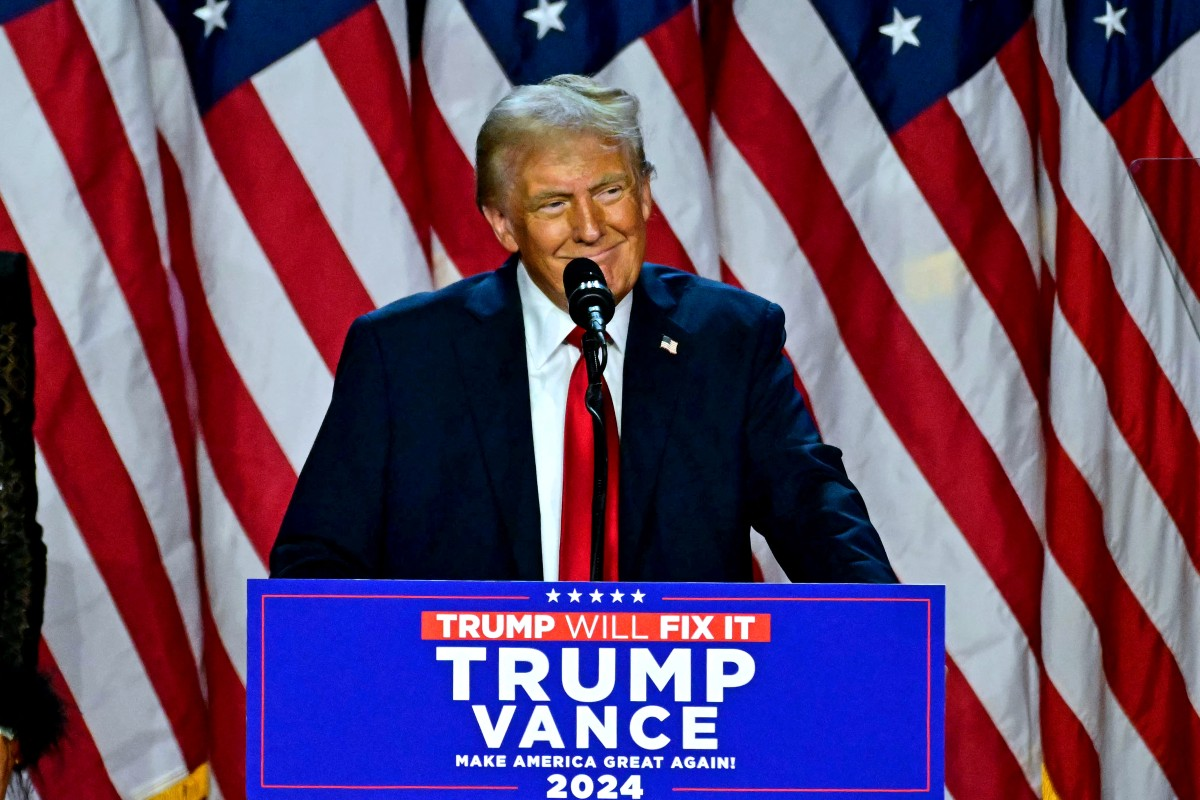
In a historic return to the presidency, Donald Trump, 78, has regained the White House after his defeat four years prior, stirring anticipation of changes in U.S. governance and international relations. Trump’s comeback, secured with a comfortable Electoral College win and significant popular vote margin, marks a shift after a campaign marked by polarizing rhetoric and two attempts on his life. Vice President Kamala Harris, who stepped in after President Joe Biden withdrew from the race in July, will officially concede later in the day.

Trump’s electoral win hinged on pivotal swing states, with Wisconsin delivering the deciding electoral votes. By mid-morning, Trump led Harris with 279 electoral votes to her 223, while some states continued to tally ballots. His popular vote count also reflected a five-million-vote lead, marking a rare occurrence of a Republican winning both the Electoral College and popular vote since George W. Bush in 2004. At a victory celebration in Florida, Trump described his mandate as “unprecedented and powerful.”

The campaign underscored issues like inflation, immigration, and public safety, key areas that Trump emphasized as urgent concerns for American voters. Economic hardship, particularly among Hispanic and low-income communities, as well as rural and non-college-educated voters, contributed to Trump’s broad support. Many Americans voiced frustration with persistent inflation despite low unemployment and record stock market performance, with a majority indicating a preference for Trump’s economic policies over those of Harris.

On the global front, Trump’s victory is expected to impact trade, climate policy, and immigration, as well as the ongoing conflict in Ukraine. Ukrainian President Volodymyr Zelenskiy expressed optimism about Trump’s “peace through strength” stance, while Russian officials cautiously hoped his leadership might expedite conflict resolution. Israeli Prime Minister Benjamin Netanyahu congratulated Trump, discussing shared security concerns, including the Iranian threat. In contrast, the Palestinian group Hamas urged the U.S. to reconsider its “blind support” for Israel.

Beyond foreign policy, Trump’s second term promises to test U.S. democratic institutions, with his proposals to reduce corporate taxes, potentially rekindle trade tensions, and accelerate deportation of undocumented immigrants. He has also expressed intentions to reform civil service policies to address what he perceives as disloyalty, raising concerns among critics about political influence over federal agencies.

The Republican Party gained a Senate majority, though control of the House remains narrowly divided. Markets globally reacted positively to the election, with major stock indices and the dollar experiencing significant gains.

For Harris, her unexpected 15-week campaign fell short against Trump’s robust support base. Throughout her campaign, she warned voters of Trump’s authoritarian ambitions and posed the election as critical for safeguarding democracy. Nearly three-quarters of exit poll respondents viewed American democracy as under threat, reflecting the polarized state of the electorate. Harris’s appeals were amplified by former Trump officials, including General John Kelly, who called Trump a “fascist” in an effort to sway undecided voters.

The campaign’s heated rhetoric saw moments of violence, including two assassination attempts against Trump, which heightened concerns about political volatility. Following Biden’s departure from the race after a July debate, Harris mounted a swift campaign and rallied significant funding, but ultimately could not overcome Trump’s entrenched base and financial backing from figures like Elon Musk, who invested heavily in Trump-supporting initiatives.

With Inauguration Day set for January 20, Trump will take office alongside Vice President JD Vance. His administration is expected to include roles for prominent supporters like Elon Musk and former presidential candidate Robert F. Kennedy Jr., setting a tone for a highly scrutinized presidency that will likely further intensify political divides across the nation.

 

Deepening Canada-India Standoff Seen as Short-Term Boost for Modi, Trudeau

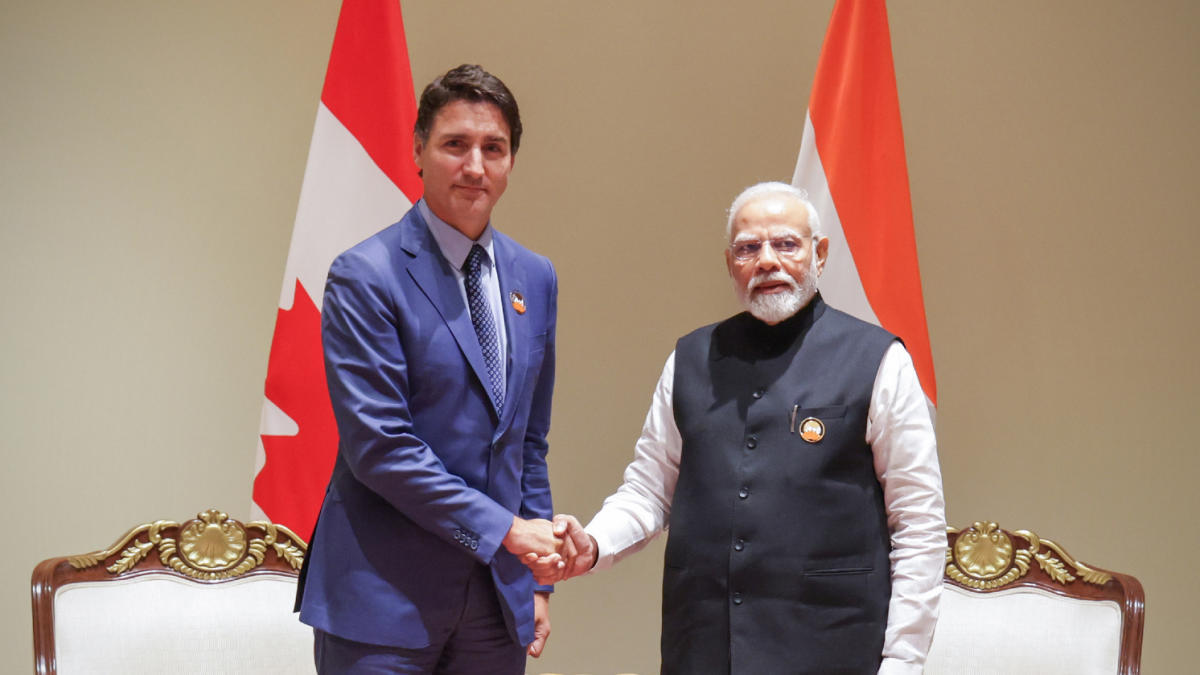
The recent diplomatic standoff between Canada and India, involving the expulsion of six diplomats from each country, is viewed as a short-term political gain for both Prime Minister Narendra Modi of India and Prime Minister Justin Trudeau of Canada, according to analysts. This diplomatic row, triggered by Canada’s accusation that Indian diplomats were involved in the murder of a Sikh separatist leader, has escalated tensions between the two nations.

Despite the deteriorating relationship, both leaders might benefit politically in the near term, as they face significant domestic challenges in their respective third terms.

Modi’s National Security Stance Strengthened

For Prime Minister Modi, the expulsion has provided an opportunity to reinforce his image as a defender of national security. Modi has long been seen as a hawk on this issue, and his firm stance against Canada’s actions could rally public support, especially following a recent electoral setback. In June, Modi’s Bharatiya Janata Party (BJP) lost its parliamentary majority, forcing him to rely on regional allies to maintain his coalition government. The diplomatic feud may help boost his domestic image as a strong leader.

Harsh Vardhan Shringla, India’s former foreign secretary, suggested that Indian citizens would view the government’s response as standing up to foreign interference. Harsh Pant, a foreign policy expert at the New Delhi-based Observer Research Foundation, added that Modi’s popularity would likely be unaffected, as he is perceived as a leader defending India’s territorial integrity.

Trudeau Seeks to Deflect Domestic Pressure

For Trudeau, the timing of the standoff shifts attention away from internal political turmoil. His Liberal Party is trailing in the polls ahead of a general election that must be held by October 2025, and there has been speculation about discontent within his party. By focusing on standing up for Canada’s sovereignty and addressing external threats, Trudeau has managed to sidestep calls for his resignation, at least temporarily.

In public remarks, Trudeau emphasized the importance of standing against foreign interference, redirecting focus from internal party issues. While his minority government depends on the support of opposition parties, both the New Democratic Party (NDP) and the Bloc Québécois have backed the expulsions, bolstering Trudeau’s stance for now.

Sikh Community and Its Political Influence

The Sikh community in Canada, which makes up about 2% of the population, plays an influential role in Canadian politics. India has often accused Canada of harboring Sikh separatists who seek an independent homeland in Punjab. However, Trudeau’s government has consistently denied any support for violent separatism.

The politically active Sikh community has largely backed the Liberals in recent years. Some Sikh leaders, like Moninder Singh of the B.C. Gurdwaras Council, have welcomed the Canadian government’s actions, seeing them as an attempt to hold India accountable. However, Singh suggested that the diplomatic dispute would have little impact on Canadian domestic politics, asserting that the government’s responsibility is to protect its citizens’ interests.

Short-Lived Benefits for Trudeau?

While Trudeau may experience a brief respite from internal political pressures, experts caution that any political gains may be temporary. Cristine de Clercy, a politics professor at Trent University, noted that Trudeau faces numerous domestic challenges, including economic issues, housing, and healthcare. She suggested that the diplomatic spat is unlikely to resolve his broader political difficulties in the long run.

The dispute, while significant in the realm of foreign policy, is unlikely to be a defining factor for Trudeau’s political future, as his government grapples with far more complex and pressing domestic concerns.