Yazılar

GameStop’s Crypto Pivot Boosts Shares of One-Time Retail Investor Favorite

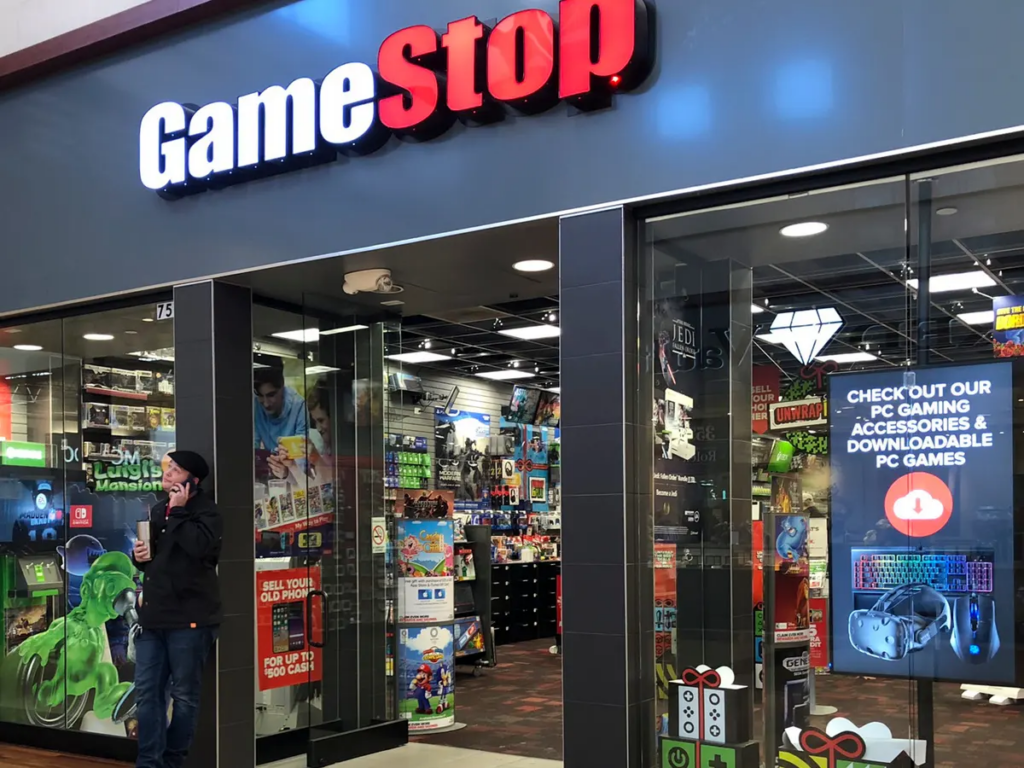
GameStop’s decision to invest in bitcoin has sparked renewed interest in the company, leading to an 11.6% surge in its shares to $28.36. The move comes as GameStop’s core brick-and-mortar business faces challenges in attracting customers, but its crypto pivot has brought retail investors back to the stock, once a meme stock favorite.

GameStop’s Bitcoin Investment Strategy

GameStop revealed its new investment strategy on Tuesday, declaring that it would hoard bitcoin as part of its treasury reserve assets. This aligns with the strategy of other companies, such as exchange operator Strategy, which holds a substantial amount of bitcoin. The announcement coincided with increased attention on digital assets, particularly cryptocurrencies, fueled by U.S. President Donald Trump’s focus on the sector.

Despite the positive reaction from retail investors, GameStop’s announcement of a $1.3 billion offering of five-year convertible notes to fund the bitcoin purchase led to a 5.5% drop in its stock during after-hours trading.

Analysts Weigh in on Bitcoin’s Impact

Analysts are skeptical about the long-term impact of the bitcoin investment on GameStop’s share price. Wedbush’s Michael Pachter argued that while the move appeals to retail investors who want GameStop to invest in cryptocurrencies, it is unlikely to drive a substantial increase in the company’s stock value. He pointed out that while companies like Strategy have seen their stock value closely align with their bitcoin holdings, GameStop trades at a higher multiple relative to its cash reserves, which raises questions about the sustainability of this approach.

Despite the volatility of bitcoin, which has seen its price fall from a six-figure high earlier this year, GameStop’s decision to invest in digital assets could lead to increased market fluctuations, according to analysts like Daniela Hathorn from Capital.com.

The Bigger Picture

GameStop’s recent moves, including aggressive cost-cutting measures and store closures, helped the company more than double its net income in the last quarter, although sales dropped by about 30%. These efforts have provided some financial stability for the company, but it remains to be seen whether its pivot to digital currencies will provide sustained growth.
GameStop Doubles Down on Bitcoin as a Treasury Reserve Asset and Plans More Store Closures

GameStop (GME.N) announced on Tuesday that its board has approved the addition of bitcoin as a treasury reserve asset, a move that mirrors the strategy of corporate bitcoin giant MicroStrategy (MSTR.O). The decision highlights GameStop’s shift toward embracing cryptocurrency as a core component of its business operations.

GameStop’s Strategic Shift Toward Bitcoin

The move to add bitcoin to its treasury comes shortly after a similar rebranding by MicroStrategy, which removed “Micro” from its name in February to emphasize its focus on the cryptocurrency. MicroStrategy, known for being the largest corporate holder of bitcoin, has integrated the cryptocurrency into the heart of its operations.

GameStop has stated that it will use a portion of its cash, future debt, or equity issuances to invest in bitcoin, though it did not specify the maximum amount it plans to acquire. This strategic shift follows a broader push to diversify the company’s financial strategies in the face of continued challenges in its core retail business.

Performance and Challenges in Retail Business

Despite the addition of bitcoin to its reserves, GameStop continues to face difficulties in its primary business of retailing videogame hardware and merchandise. The company reported a significant rise in fourth-quarter profit, which more than doubled to $131.3 million from $63.1 million the previous year, largely due to cost-cutting efforts. GameStop also posted quarterly revenue of $1.28 billion, down from $1.79 billion in the same period last year.

The company, which became a focal point during the “meme stock” trading craze, has struggled with the shift toward digital downloads, game streaming, and e-commerce, contributing to a decline in physical retail sales.

Future Outlook and Store Closures

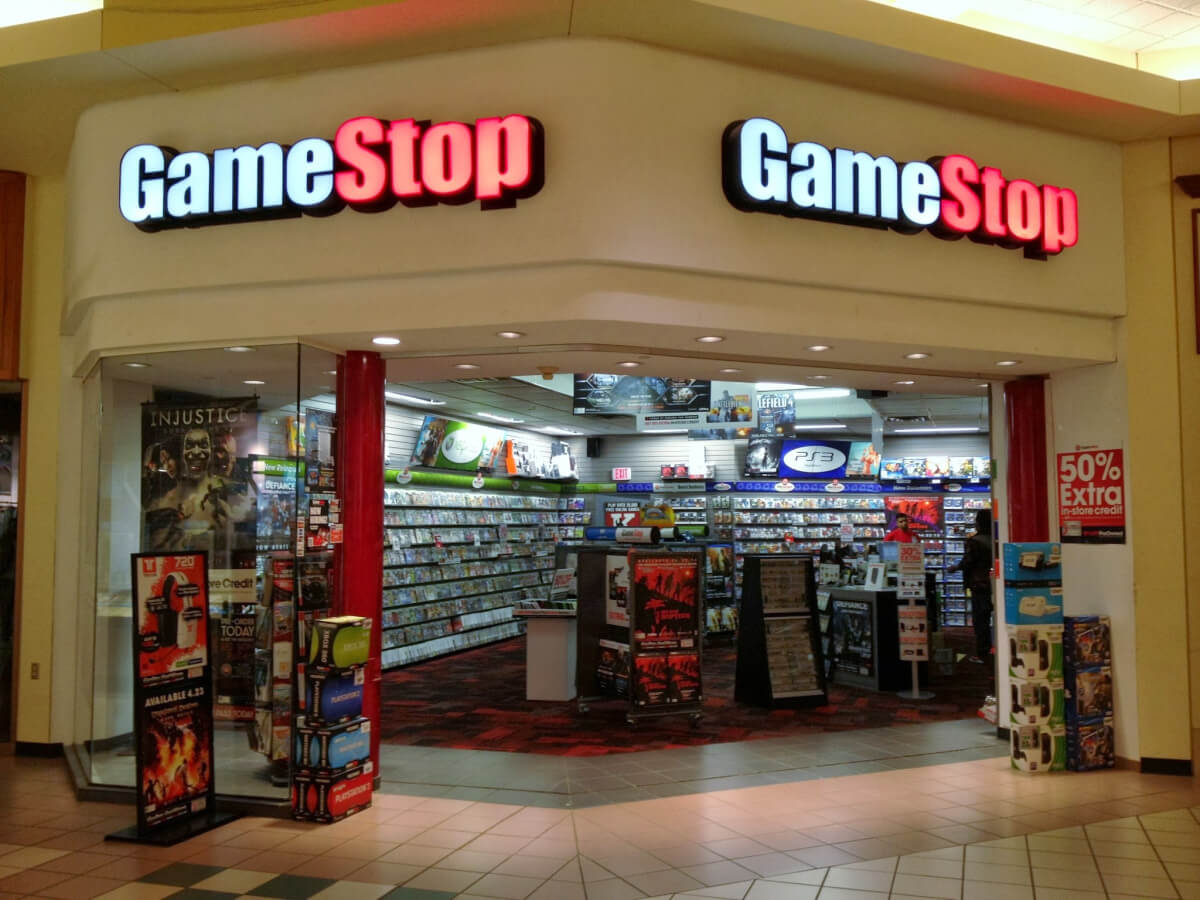
In response to these challenges, GameStop has aggressively reduced its retail footprint, closing 590 stores in the U.S. in fiscal 2024. The company expects to close a “significant number” of additional stores in fiscal 2025 as part of its ongoing efforts to streamline operations and adapt to the changing gaming landscape.

Broader Cryptocurrency Adoption and Strategic Moves

GameStop’s decision to invest in bitcoin aligns with broader trends of increasing institutional adoption of cryptocurrencies. This move follows U.S. President Donald Trump’s recent executive order to establish a strategic reserve of cryptocurrencies, further reflecting growing interest in digital assets.

GameStop Reports Q3 Profit Amid Cost-Cutting Measures

meStop reported a $17.4 million net income for its third quarter, marking a turnaround from the $3.1 million loss reported in the same period last year. This improvement comes as the videogame retailer intensifies cost-saving strategies, including closing underperforming stores and shifting its focus toward higher-margin products.

CEO Ryan Cohen, who took leadership in June, emphasized plans to operate with “a smaller network and more value-added” offerings to drive profitability. These changes contributed to a modest rise in the company’s stock, which increased by over 2% in after-hours trading.


CHALLENGES AND STRATEGIC MOVES

Despite the profit, GameStop faces ongoing struggles to boost revenue. Third-quarter sales dropped 20%, falling to $860 million compared to $1.08 billion a year ago. The company continues to grapple with challenges such as:

  • Sluggish demand for video game hardware and collectibles.
  • Fierce competition from e-commerce giants like Amazon and eBay.
  • Reduced consumer spending amid stubborn inflation and broader economic uncertainty.

The gaming market’s slow recovery adds another layer of complexity to GameStop’s turnaround efforts. Analysts remain skeptical of the company’s prospects, with Wedbush Securities’ Michael Pachter expressing doubts about the sustainability of its core business. “There is no turnaround, just stock sales to willingly foolish investors,” Pachter remarked.


SHAREHOLDER INTEREST AND MEME STOCK LEGACY

GameStop’s shares have seen a rally of more than 50% in 2024, largely fueled by the reemergence of Keith Gill—known as “Roaring Kitty”—a key figure in the 2021 meme-stock phenomenon that saw GameStop’s stock skyrocket by 1,600% in January of that year. The renewed enthusiasm among Gill’s followers has allowed GameStop to raise $3 billion earlier this year through share sales, capitalizing on its stock momentum.

At the end of the third quarter, the company reported $4.58 billion in cash and cash equivalents, up from $4.19 billion in the previous quarter.