Yazılar

Gaza’s First Polio Case in 25 Years: A Heartbreaking Story Amid War and Vaccination Struggles

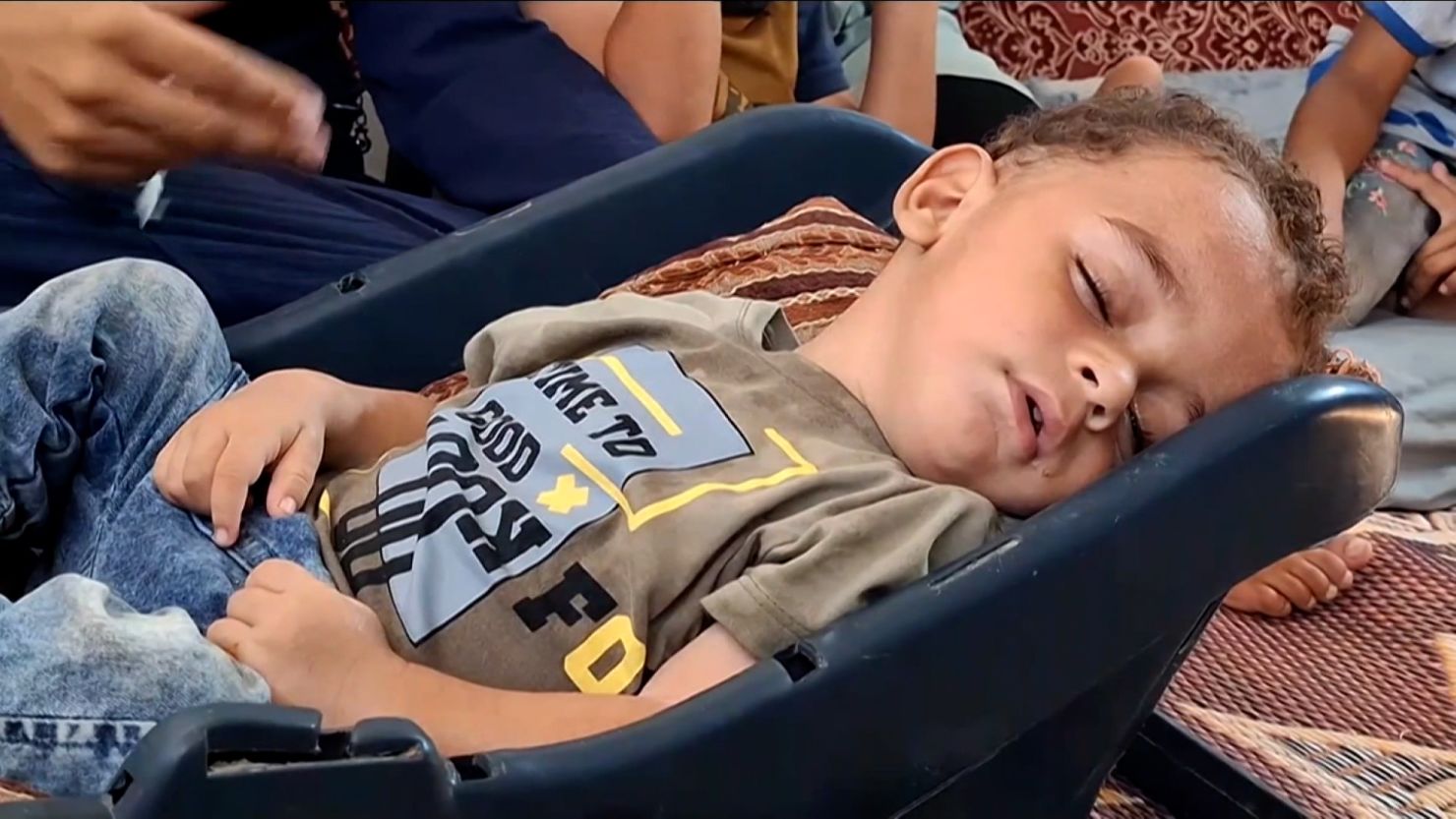
In the war-ravaged Gaza Strip, one-year-old Abdul Rahman lies in a battered car seat, too young to understand the drones circling above or the gravity of the incurable disease now paralyzing his small body. His mother, Niveen Abu al-Jidyan, watches over him in a makeshift tent at Al-Mawasi refugee camp, deeply distressed by her son’s condition. “He can’t stand, sit, or move like before. He is very weak,” she says, helpless as Abdul Rahman battles polio, the first case Gaza has seen in 25 years.

Polio, a once-feared disease that mostly affects children under five, can cause irreversible paralysis and even death, but it is easily preventable with a vaccine. However, amid the ongoing war, Abdul Rahman never received the vaccinations that could have protected him. Once boasting near-universal immunization coverage, Gaza’s rates have plummeted to just over 80%, leaving children like Abdul Rahman vulnerable to preventable diseases.

The World Health Organization (WHO) and UNICEF are working together to roll out a mass vaccination campaign aimed at inoculating 640,000 children under the age of 10 in Gaza, a vital step to prevent the outbreak from spreading. According to WHO, around 95% of the population needs to be vaccinated to halt the virus in its tracks. If this level of coverage isn’t achieved, WHO warns that thousands of children could soon fall victim to the disease.
Picture background

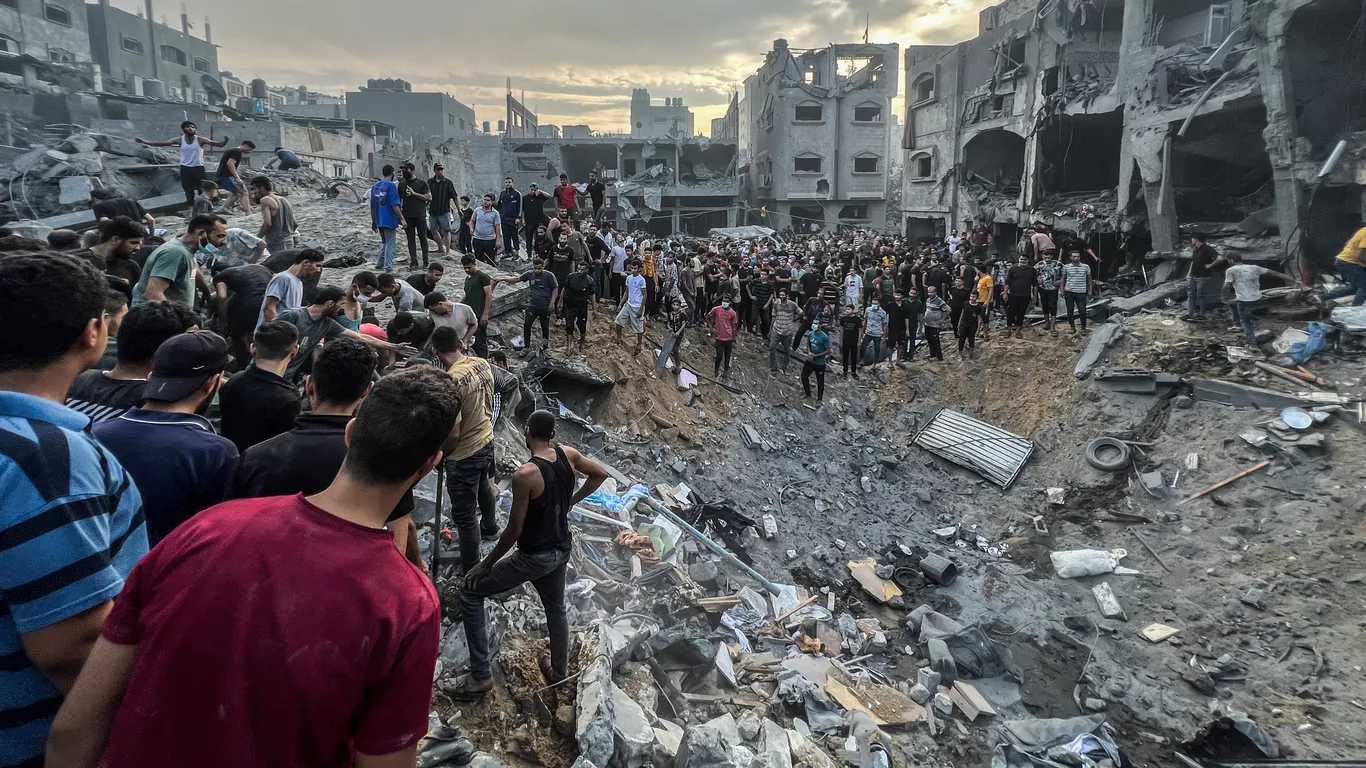
Despite the urgency, the logistics of conducting such a large-scale vaccination drive in a war zone present monumental challenges. Ongoing Israeli bombardments have displaced up to 90% of Gaza’s population, destroyed infrastructure, and severely hampered access to food, water, and medical care. Most of Gaza’s health facilities have been destroyed, leaving only five of the original 22 health centers operational. As Sam Rose, director of planning at UNRWA, explains, “The administration of the vaccine is the easy part. The difficult part is everything else.” Repeated evacuations and the destruction of essential infrastructure continue to hinder aid efforts.

COGAT, the Israeli government agency responsible for coordinating movement into and out of Gaza, has allowed over 25,000 vials of polio vaccine into the strip, along with necessary cooling equipment to maintain the vaccine’s effectiveness. If conditions allow, the vaccination drive is set to begin on August 31. However, for Abdul Rahman, this comes too late.

With Gaza’s healthcare system devastated by war, the Abu al-Jidyan family faces an uncertain future. Polio may have no cure, but there are treatments that can help alleviate its symptoms. Unfortunately, even these limited treatments are likely out of reach for Abdul Rahman due to the lack of medical supplies and facilities in the strip. Desperate, Niveen Abu al-Jidyan pleads for help: “Take him abroad for treatment or find a solution so my son can start walking and start moving again.”

As Gaza struggles to combat both the war and a resurgence of polio, Abdul Rahman’s story is a tragic reminder of the toll that conflict takes on the most vulnerable. The urgency of the vaccination campaign is now more critical than ever, with the future health of thousands of children hanging in the balance.
Israeli Strikes in the West Bank Kill at Least 10; Jenin Sealed Off Amid Ongoing Conflict

Israeli airstrikes in the West Bank have resulted in the deaths of at least 10 people, according to Palestinian officials. The Israel Defense Forces (IDF) have intensified their operations across the occupied West Bank, including a significant military presence in the city of Jenin, which has been completely sealed off. The city’s entry and exit points have been blocked, including access to hospitals, following a series of raids described by Israeli Foreign Minister Israel Katz as a “full-fledged war” against “Islamic-Iranian terrorist infrastructures.”

The IDF confirmed operations in Jenin and Tulkarm, and Palestinian sources report that seven people were killed in Tubas early Wednesday, with an additional two fatalities in Jenin. The victims in Jenin have been identified as Qassam Jabarin, 25, and Asem Balout, 39.

In response to the escalating conflict, armed factions of Hamas, Islamic Jihad, and Fatah have announced their engagement with Israeli forces. Clashes in the West Bank have intensified since the 7 October attacks and the subsequent invasion of Gaza, leading to frequent vigilante-style attacks by Israeli settlers on Palestinian communities.

In a separate development, the IDF announced the elimination of five individuals in Nur Shams on Monday, describing them as terrorists. This includes Jibril Jasan Ismail, who was reportedly released in a November 2023 agreement, as well as Mohanad Qarawi, Muhammad Yussef, and Adnan Jaber.

The violence has resulted in significant casualties on both sides. The Palestinian Health Ministry reports at least 637 deaths in the West Bank since early October, including armed fighters, stone-throwing youths, and civilians. In contrast, Israeli reports indicate at least 30 Israeli fatalities in Jerusalem and the West Bank during the same period.

In Gaza, Israeli strikes have also claimed at least 16 lives in Khan Younis, including five women and three children. The fatalities include a brother and sister, and their relative, who died in their home. Additionally, a late-night airstrike in central Gaza resulted in the deaths of local journalist Mohamed Abdrabu and his sister.


Behind the Scenes of Hamas’ Leadership Change

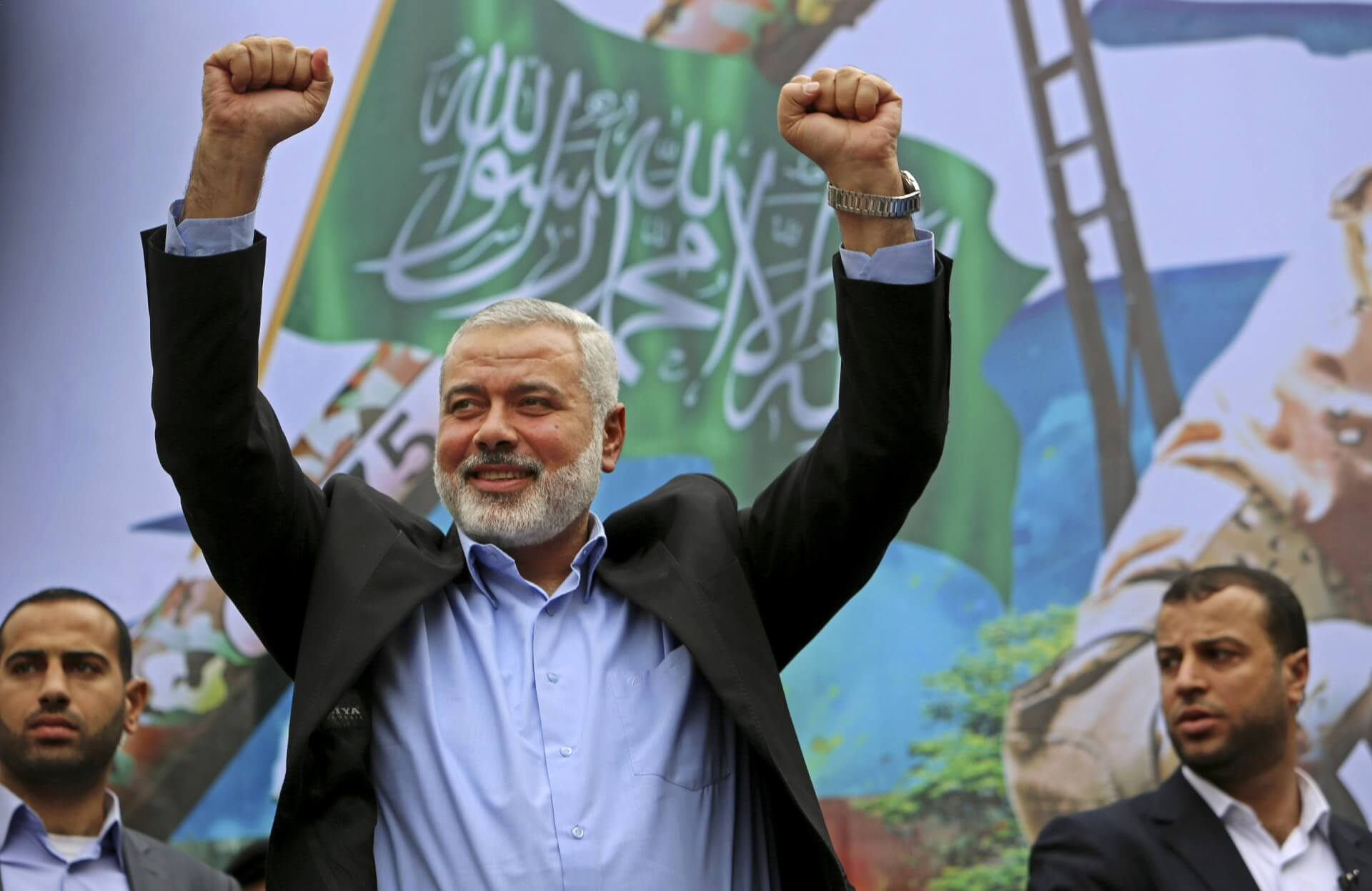
Last week, as global media spotlighted the event, Hamas leaders gathered in Qatar to elect a new political leader following a tumultuous period. Delegates from across the Middle East arrived, deeply impacted by the recent death of Ismail Haniyeh, who was killed in Tehran in late July. Haniyeh, a key figure in Hamas, had played a pivotal role in navigating the group’s strategies amid ongoing conflicts with Israel.

The funeral in Doha, attended by hundreds, marked both a solemn farewell and the dawn of a new phase for Hamas. The meeting, reminiscent of previous transitions such as after the assassinations of Sheikh Ahmed Yassin and Abdel Aziz al-Rantisi, underscored the gravity of the situation facing Hamas.

Since Hamas’ attack on southern Israel on October 7, which resulted in significant casualties and hostages, and Israel’s subsequent retaliation causing extensive devastation in Gaza, the organization has faced severe challenges. The loss of Haniyeh, reportedly killed by a missile or bomb, was a significant blow.

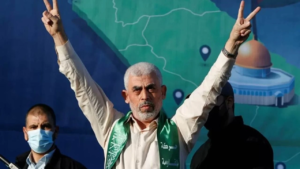
At the Doha ceremony, Abu Omar Hassan, the head of the Supreme Shura Council, was initially expected to serve as interim leader. However, after intense discussions, Hamas elected Yahya Sinwar as the new leader. Sinwar, who has led Hamas’ Gaza operations since 2017, is closely tied to the group’s militant wing and has a controversial reputation due to his involvement in the October 7 attacks.

His appointment, despite concerns from some within Hamas, reflects the group’s need to assert strength and defiance amid ongoing conflict. Sinwar’s choice, driven by his prominence following the attacks, signals a shift towards a more radical stance, aligning with the “axis of resistance” supported by Iran.

The appointment comes as ceasefire negotiations continue, with Qatar and Egypt working on a plan potentially involving concessions to Iran to halt further military responses. Despite these efforts, conflict continues, with Sinwar poised to lead Hamas through a critical and volatile period.