Yazılar

Ecarx in Talks with Volkswagen to Develop Smart Cars for Europe, US

Ecarx, a Chinese digital cockpit system developer, is in discussions with Volkswagen to integrate its advanced technologies into smart cars for developed markets, including Europe and the United States, according to Ecarx’s CEO, Shen Ziyu. The two companies are looking to extend their current partnership, which already includes collaboration in Brazil and India. In these markets, Ecarx’s Antora 1000 digital cockpit system—featuring proprietary chips, voice recognition, and navigation services—powers Volkswagen’s smart car offerings.

The expanded partnership would bring Ecarx’s products into Skoda-branded cars sold in Europe. Shen confirmed discussions about entering the U.S. market, although the current deal with Volkswagen does not yet include this scope. However, Ecarx’s technologies are already present in Volvo and Lotus vehicles in the U.S., as both brands are owned by Geely, the parent company of Ecarx.

A Volkswagen spokesperson clarified that the cooperation with Ecarx is currently limited to providing an infotainment system for internal combustion engine vehicles sold in Brazil and India, with no other technical involvement at this stage. Meanwhile, Skoda declined to comment on the ongoing discussions.

This move highlights growing interest among Western automakers in leveraging Chinese expertise in smart driving technologies. As traditional car sales have been hit by declining demand in China, companies like Volkswagen are turning to Chinese suppliers to stay competitive in the global market. Mercedes-Benz recently made headlines by collaborating with Hesai, a Chinese firm, to equip its vehicles with lidar sensors, marking the first instance of a foreign automaker using Chinese technology for models sold outside China.

Shen emphasized that it took over a year for Volkswagen to choose Ecarx as its smart technology supplier, with other candidates including LG and Samsung from South Korea, as well as Chinese rival Desay SV. He also noted that the development of software for consumer electronics, including semiconductors, is largely still based in Asia, which has contributed to challenges in software development in Europe.

Ecarx, which generates 70% of its revenue from Geely and its affiliated brands, aims to reduce this reliance to under 50% by 2028. The company plans to diversify further by growing its international revenue, with a goal of generating half of its income from overseas by 2030. To support this, Ecarx has been building R&D teams outside of China to mitigate concerns about geopolitical risks tied to Chinese technologies.

Shen also emphasized that China’s competitive cost structure can help strengthen the company’s supply chain globally. The shorter product cycles typically seen in China—lasting just three years—can be extended to 10 or 15 years in international markets, according to Shen.
Chinese Automakers Ramp Up Hybrid Vehicle Exports to Europe Amid EV Tariff Shift

Chinese automakers are accelerating exports of hybrid vehicles to Europe, positioning themselves to bypass the European Union’s newly imposed tariffs on electric vehicles (EVs) from China. These tariffs, which aim to protect the EU’s domestic auto industry, do not apply to hybrid models, presenting a strategic loophole for Chinese carmakers like BYD, the country’s leading EV manufacturer.

The Rise of Hybrid Exports

In the wake of EU tariffs of up to 45.3% on Chinese EV imports, introduced in October 2023 to counter alleged unfair subsidies, exports of hybrids have surged. From July to October, hybrid exports from China to Europe more than tripled to 65,800 units compared to the same period last year. Consequently, hybrids accounted for 18% of China’s vehicle exports to Europe in Q3, up from 9% in Q1. By contrast, EV exports dropped slightly from 62% to 58%.

Hybrid vehicles, which combine gasoline and electric power, are gaining traction among European consumers as an economical alternative to fully electric or combustion-engine vehicles, especially during periods of high inflation.

Automakers Adjust Strategies

Faced with slowing car sales in China and high tariffs in North America, European markets are becoming an essential outlet for Chinese automakers. Companies are also exploring local production in Europe to mitigate tariff-related costs. BYD, for instance, is considering manufacturing hybrids and EVs at its Hungarian plant.

New Models Targeting European Consumers

Chinese automakers are rolling out competitive hybrid models for Europe:

  • BYD’s Seal U DM-i, its first plug-in hybrid for the European market, is priced at €35,900, undercutting Volkswagen’s Tiguan PHEV and Toyota’s C-HR PHEV.
  • Geely, China’s second-largest automaker, launched a plug-in hybrid under its Lynk & Co brand in Europe.
  • SAIC Motor is developing a range of powertrain systems tailored to European consumers to offset the high 35.3% tariff on its EVs.

The competitive pricing strategy could reshape the hybrid vehicle market, where European and Japanese automakers currently dominate. However, analysts warn that overly aggressive pricing by Chinese firms may provoke further trade restrictions from the EU.

Global Implications

Japan’s automakers are also leveraging the growing demand for hybrids in Europe, partly to address overcapacity in China. Honda, which experienced a 29% slump in Chinese sales in the first nine months of 2023, is exporting hybrids and EVs from China to Europe.

Chinese automakers’ pivot to hybrids underscores a broader trend of diversification, with companies like BYD and Geely positioning themselves as global players. Nonetheless, their success in Europe will depend on balancing market expansion with regulatory risks.

As the EU hybrid market grows, cost-sensitive European consumers could benefit from these competitively priced models, potentially disrupting the traditional dominance of local and Japanese automakers.

Geely Restructures with Zeekr Taking Control of Lynk in Major EV Realignment

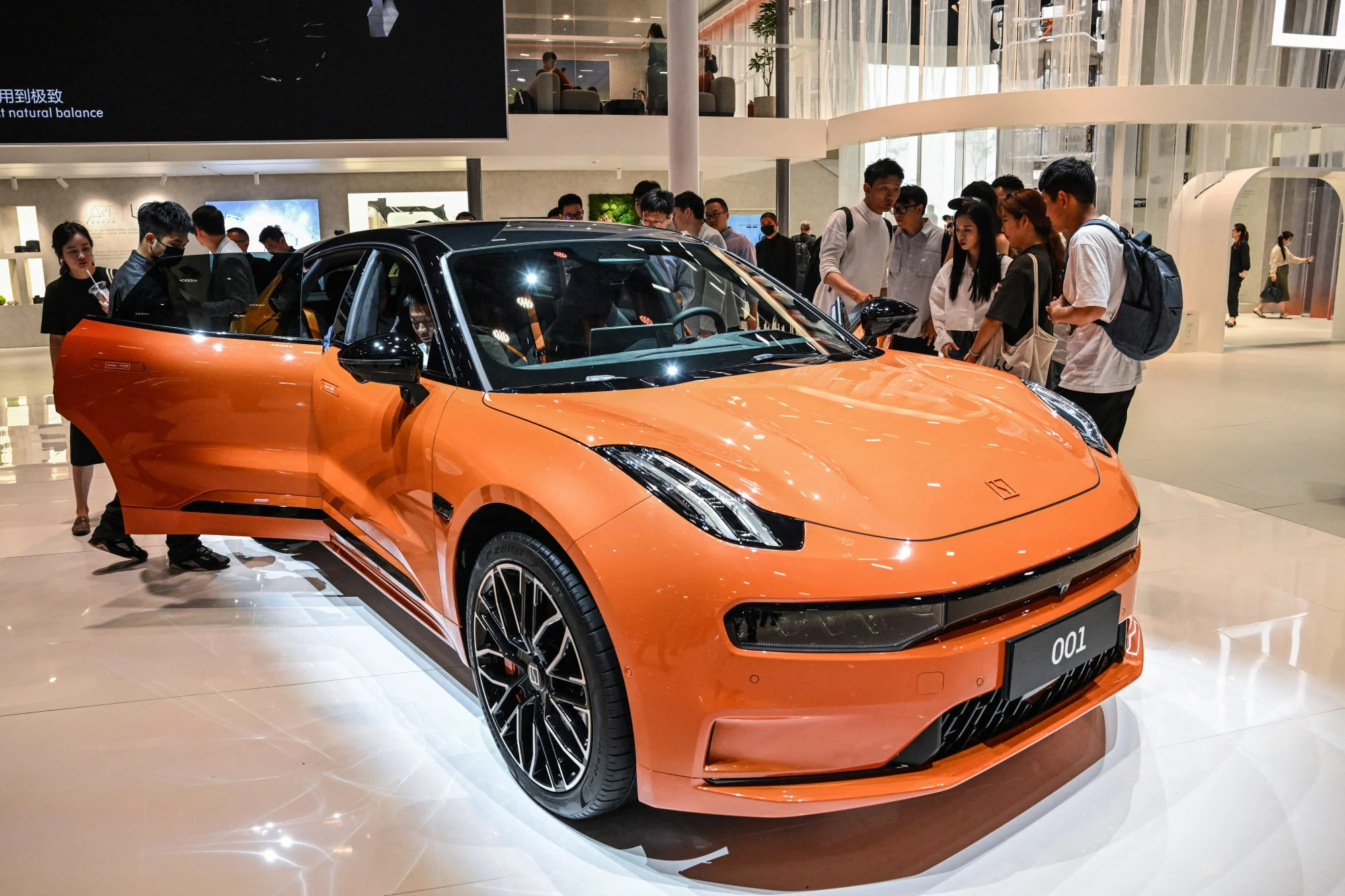
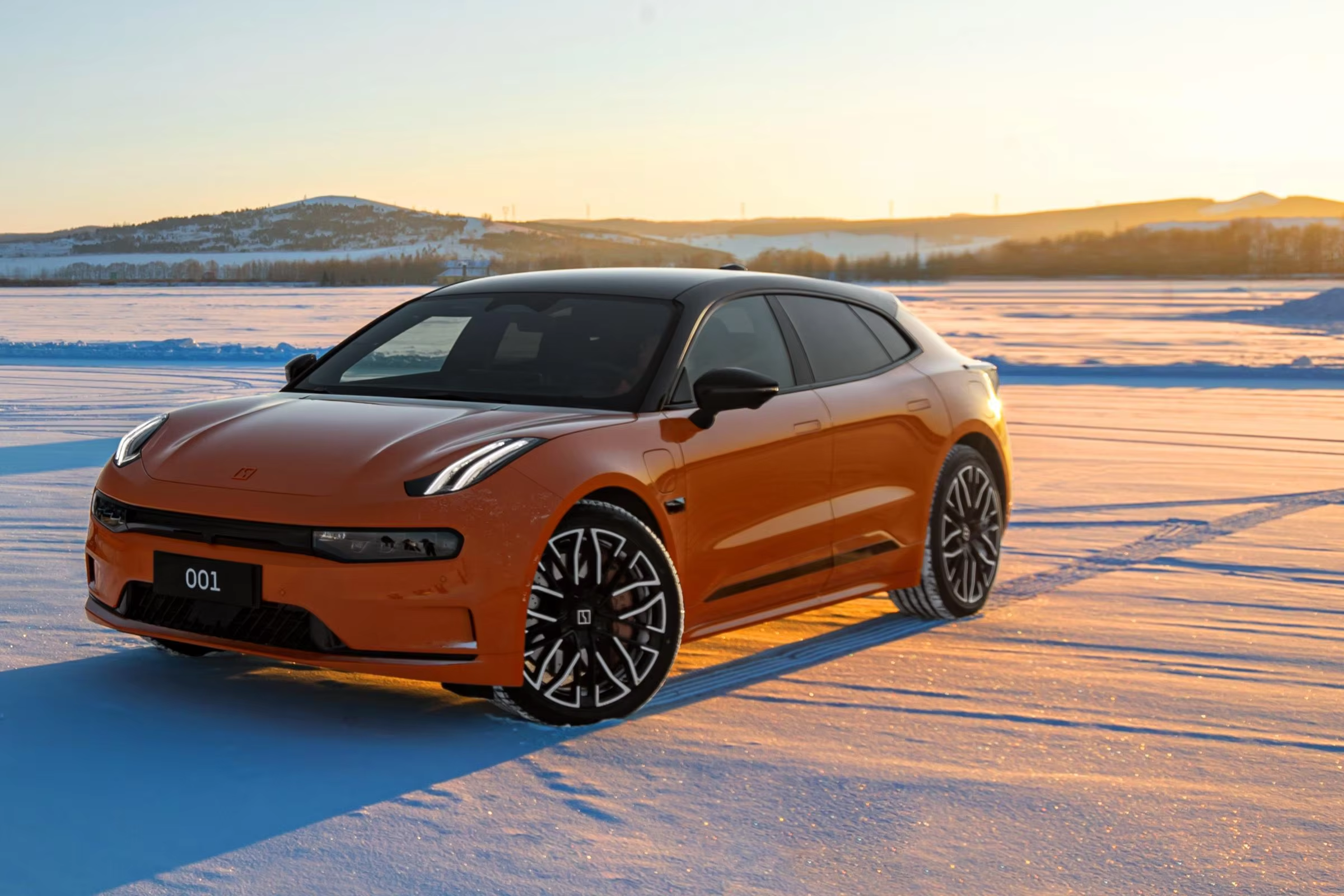
China’s automotive giant Geely is undergoing a significant restructuring as its premium EV brand, Zeekr, is set to take control of Lynk & Co. This strategic move marks the first in a broader overhaul of Geely’s operations, aimed at streamlining costs and enhancing efficiency within the group. Historically known for rapid expansion through acquisitions, Geely now seeks to consolidate its resources, as indicated by Geely Holding Group Chairman Eric Li, who emphasized the need for deeper integration across brands to avoid overlap and redundant spending.

The restructuring will see Zeekr and Lynk form a new energy vehicle manufacturing group, targeting annual sales of over a million units — a significant increase from their combined sales of approximately 339,000 vehicles in 2023. Geely Automobile Holdings CEO Gui Shengyue highlighted the importance of integration to avoid internal competition and wasteful investment across research, development, and sales. Failing to do so, he noted, would weaken Geely’s competitive edge.

As part of the transaction, Zeekr will acquire a 30% stake in Lynk from Volvo Cars and an additional 20% from Geely Holding, giving it a majority stake. A capital injection will boost Zeekr’s stake to 51%, while Geely Auto will retain the remaining shares. This transaction, which values Lynk at roughly 18 billion yuan ($2.5 billion), is expected to be completed by June 2024. Volvo Cars’ shares rose by 3.5% following the announcement, reflecting investor optimism.

The integration strategy positions Zeekr to spearhead innovation in electric and connected vehicle technologies, sharing these advancements with Lynk and Polestar. Lynk’s product team has already begun reporting to Zeekr’s CEO Andy An, signaling a shift toward more shared technology and resources. This collaboration is anticipated to reduce research and development costs by 10% to 20% and material costs by 5% to 8% for both brands.

Additionally, Lynk’s established sales network in lower-tier cities will provide Zeekr with expanded market access, supporting its growth in China’s highly competitive EV market. The two brands already share vehicle architecture in Lynk’s Z10 and Z20 EV models, while Lynk’s gasoline and hybrid models are built on different platforms developed by Geely and Volvo Cars.

Lynk, launched in 2016, sold about 195,600 vehicles in the first nine months of 2023, marking a 40% increase over the previous year. Zeekr, a newer brand launched three years ago, sold nearly 143,000 cars in the same period, achieving an 81% year-on-year sales increase. Since its New York listing in May, Zeekr’s shares have surged nearly 40%, bringing its market value to $7.3 billion.

This strategic reorganization demonstrates Geely’s shift from aggressive expansion to a more cohesive operational model, with Zeekr’s control over Lynk aimed at reducing costs, improving capacity utilization, and driving Geely’s competitiveness in the growing EV sector.