GM Delays Indiana Electric Vehicle Battery Factory, Finalizes Deal with Samsung
General Motors (GM) has announced a delay in the start of production at its new electric vehicle (EV) battery cell plant in New Carlisle, Indiana. The plant, a joint venture with Samsung SDI, is now expected to begin operations in 2027, a delay from the previously anticipated start date of 2026. The delay, which is less than a year, is attributed to current market conditions and the finalization of contract details.
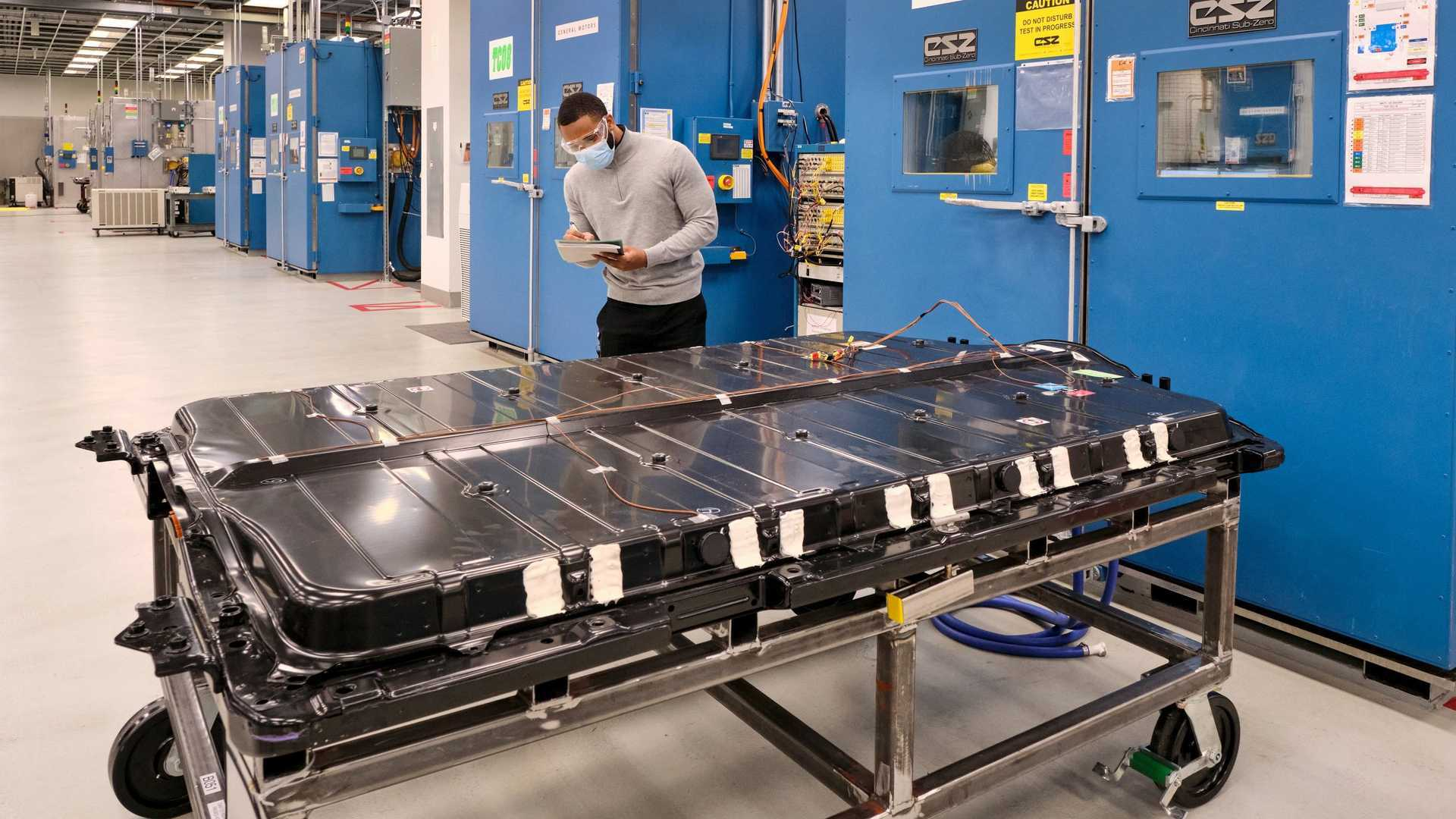
The $3.5 billion factory, located near South Bend on a 680-acre site, is currently under construction and is set to employ 1,600 workers. It will produce nickel-rich prismatic batteries, known for storing more energy and offering improved driving range compared to other battery chemistries.
The slowdown in U.S. EV sales, which saw a 7% increase to 599,134 units in the first half of the year, has influenced the delay. While EV sales account for 7.6% of the U.S. new vehicle market, consumer concerns about range and charging infrastructure have tempered growth. Market leader Tesla Inc. has responded to these conditions by cutting prices, leading other manufacturers to follow suit.
GM and Samsung initially announced their joint venture in June of the previous year. This new plant is a strategic move for Samsung to enter the North American EV market and will also serve other automotive companies with battery cells.
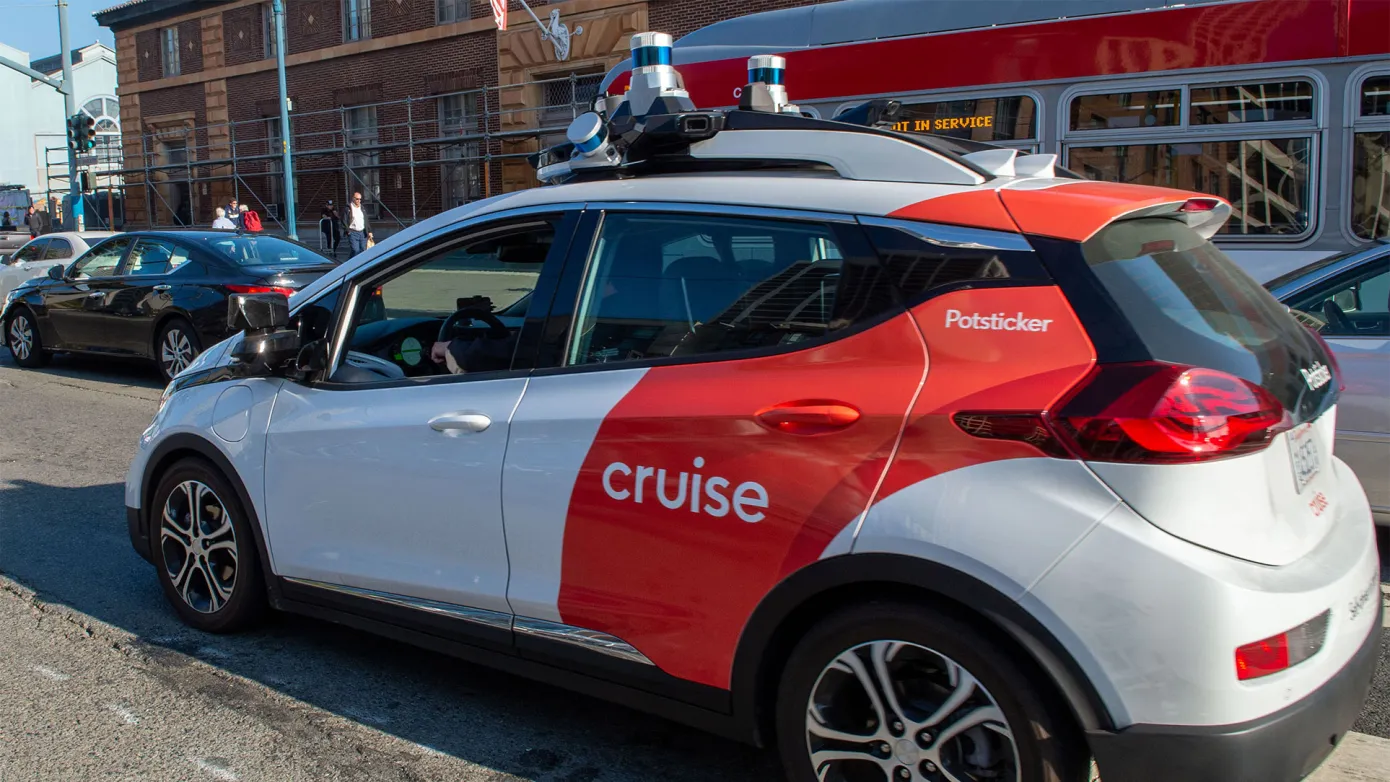
The New Carlisle facility will be GM’s fourth joint venture battery cell factory. The company has existing plants with South Korea’s LG Energy Solution, including operational sites in Warren, Ohio, and Spring Hill, Tennessee, with another under construction in Lansing, Michigan. GM’s shift to Samsung followed several recalls of Chevrolet Bolt EVs due to battery defects from LG, which had caused fire risks.
As the EV market experiences fluctuations, other automakers, including Ford, are also adjusting their production timelines and focus. Ford recently announced a postponement of a large electric pickup truck and the cancellation of a new large electric SUV, opting instead to concentrate on midsize electric pickups, commercial vans, and gas-electric hybrids.