Yazılar

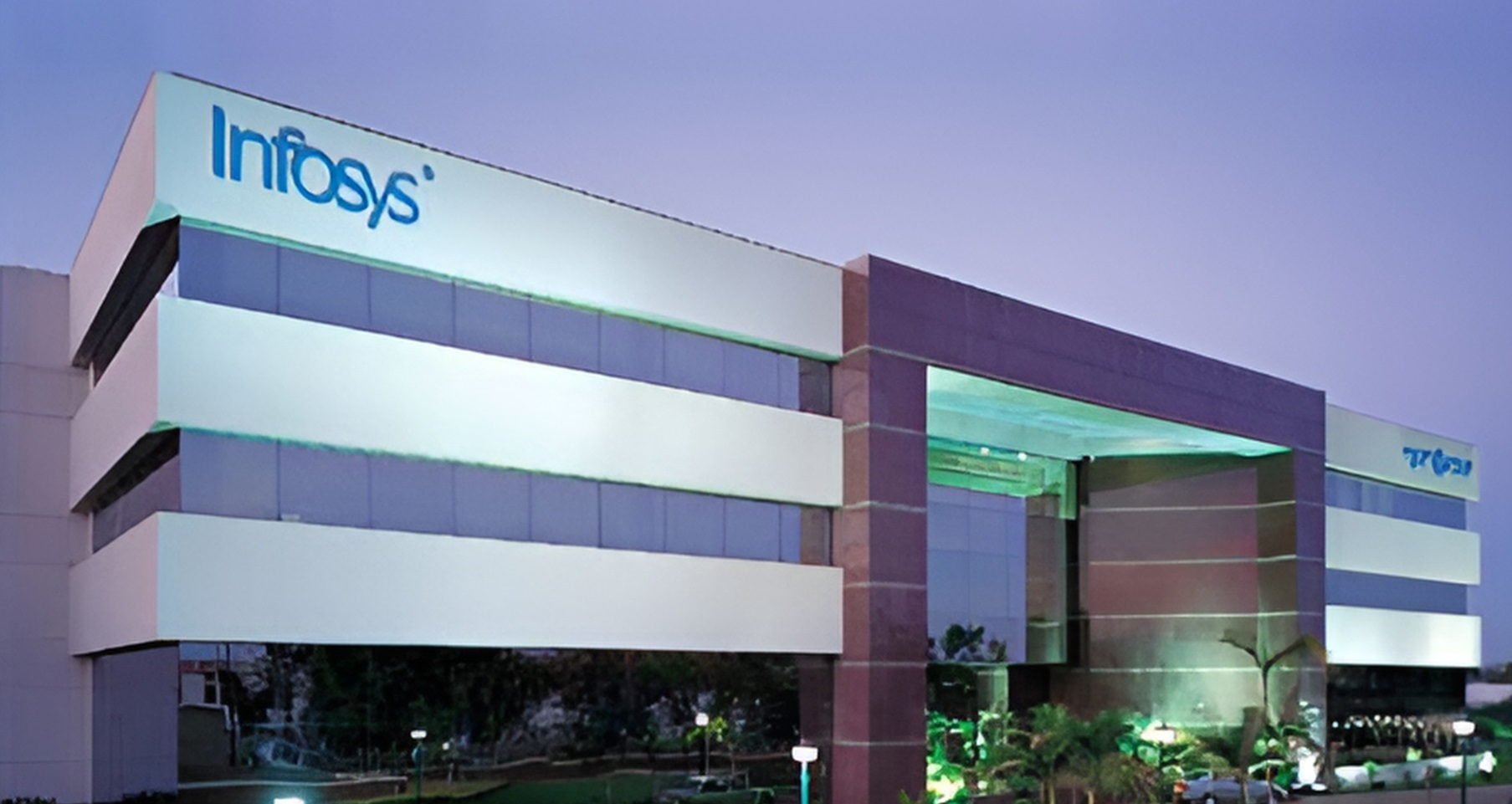
Infosys CTO Discusses Evolution of Talent Management at Davos

At the World Economic Forum in Davos, Switzerland, Infosys’ Chief Technology Officer, Rafee Tarafdar, discussed the evolving landscape of talent management within the Indian IT sector, highlighting shifts in traditional models and the impact of emerging technologies such as generative AI.

Key Points:

  • Shift in Talent Management: Traditionally, the IT industry has operated under a “pyramid” model, where the majority of employees are at the entry level, with fewer in more senior roles. Infosys, a major player in India’s IT sector, is exploring how this model will evolve in response to industry changes, particularly as the demand for specialized skills grows.
  • Generative AI’s Impact: The widespread use of generative AI is expected to affect job structures in the tech industry, with roles like “responsible AI” emerging to address the ethical concerns surrounding AI. Infosys is adapting by creating new roles and ensuring its employees are upskilled to meet the demands of the evolving job market.
  • Internal Experiments: Infosys is experimenting internally to understand the best approaches to talent management and skill development, focusing on creating specialists in new areas while reskilling the existing workforce. This includes new roles in AI and model engineering, both of which are expected to grow in importance.
  • Upskilling and New Hires: To stay ahead of the curve, Infosys is fostering continuous learning among its employees, with a focus on both upskilling current staff and hiring new talent for emerging roles in AI and technology.
  • Future Talent Needs: Looking ahead, Tarafdar highlighted the increasing demand for expertise in responsible AI and model engineering, signaling a shift towards more advanced and specialized roles within the tech industry.

Trump Reverses Biden’s Executive Order on AI Risk Mitigation

U.S. President Donald Trump on Monday revoked an executive order signed by former President Joe Biden in 2023, aimed at addressing the risks associated with artificial intelligence (AI). The order, which required AI developers to disclose safety test results for AI systems with potential risks to national security, the economy, public health, or safety, has been a point of contention as it came at a time when Congress had yet to pass comprehensive AI regulation.

Key Points:

  • Revocation of Biden’s Executive Order: Trump’s decision to revoke Biden’s 2023 executive order dismantles the framework that sought to introduce safety protocols for AI development. Biden’s order mandated AI developers to provide test results for high-risk AI systems to the U.S. government before they were made public, underlining concerns over national security and public safety.
  • Republican Stance on AI: The 2024 Republican Party platform had previously called for the repeal of Biden’s order, citing its potential to stifle AI innovation. The platform emphasized that AI development should be grounded in principles of free speech and human flourishing, aligning with Trump’s decision.
  • Risks and Opportunities in AI: While AI, particularly generative AI, has generated both excitement and concern due to its potential to automate tasks and disrupt industries, there are also fears about its consequences on jobs and security. The rapid advancements in AI technologies, such as those capable of creating text, images, and videos, have raised alarms about unforeseen risks.
  • Recent Developments in AI Oversight: Just last week, the U.S. Commerce Department introduced new restrictions on AI chip and technology exports, drawing backlash from tech companies like Nvidia. While Trump revoked Biden’s order concerning AI safety protocols, Biden’s administration has not yet fully relaxed its regulatory approach, as seen in a separate executive order aimed at supporting energy needs for AI data centers.

Emirati Billionaire to Invest $20 Billion in U.S. Data Centers, Announces Trump

Emirati billionaire Hussain Sajwani, the chairman of Dubai-based real estate developer DAMAC, has committed to investing $20 billion in the rapidly growing U.S. data center industry. Sajwani made the announcement on Tuesday during a meeting with U.S. President-elect Donald Trump at his Palm Beach, Florida estate, Mar-a-Lago.

The planned investment is part of a broader effort to bolster the U.S. economy, with Trump emphasizing the importance of strengthening domestic industries. The announcement comes amid Trump’s focus on economic policies that seek to curb China’s access to key technology, including chips used for advanced data centers. In his remarks, Sajwani expressed a willingness to increase the investment beyond the initial $20 billion if market conditions permit, stating, “We’re planning to invest $20 billion and even more than that, if the opportunity in the market allows us.”

Sajwani’s company, DAMAC, has already made its mark in the Middle East by owning the region’s only Trump-branded golf course in Dubai, which opened in 2017. The billionaire’s connection with Trump has grown closer, with the two having celebrated the New Year together in Florida.

While Trump has a history of promoting large investments for economic growth, the outcomes have sometimes been less substantial. For instance, a promised $10 billion Foxconn factory investment in Wisconsin, announced early in Trump’s first term, resulted in a project that was ultimately scaled back and left many promises unmet.

Sajwani’s announcement follows recent moves by other major investors, including SoftBank Group’s CEO Masayoshi Son, who, in collaboration with Trump, committed to a $100 billion investment in the U.S. over the next four years, focusing on AI. The surge in investments in AI and its supporting infrastructure, such as data centers, follows the introduction of OpenAI’s ChatGPT in late 2022, which sparked a wave of interest in generative AI technologies.

Microsoft also revealed plans to invest about $80 billion in the U.S. this fiscal year to expand its AI capabilities. The Biden administration has increasingly restricted the export of AI chips to China, aligning with Trump’s foreign policy stance and recent nominations of China hard-liners to key diplomatic and economic roles.