Yazılar

NOAA Reports: Powerful Solar Storm May Have Triggered Widespread Auroras and Potential Disruptions

NOAA Reports: Powerful Solar Storm May Have Triggered Widespread Auroras and Potential Disruptions

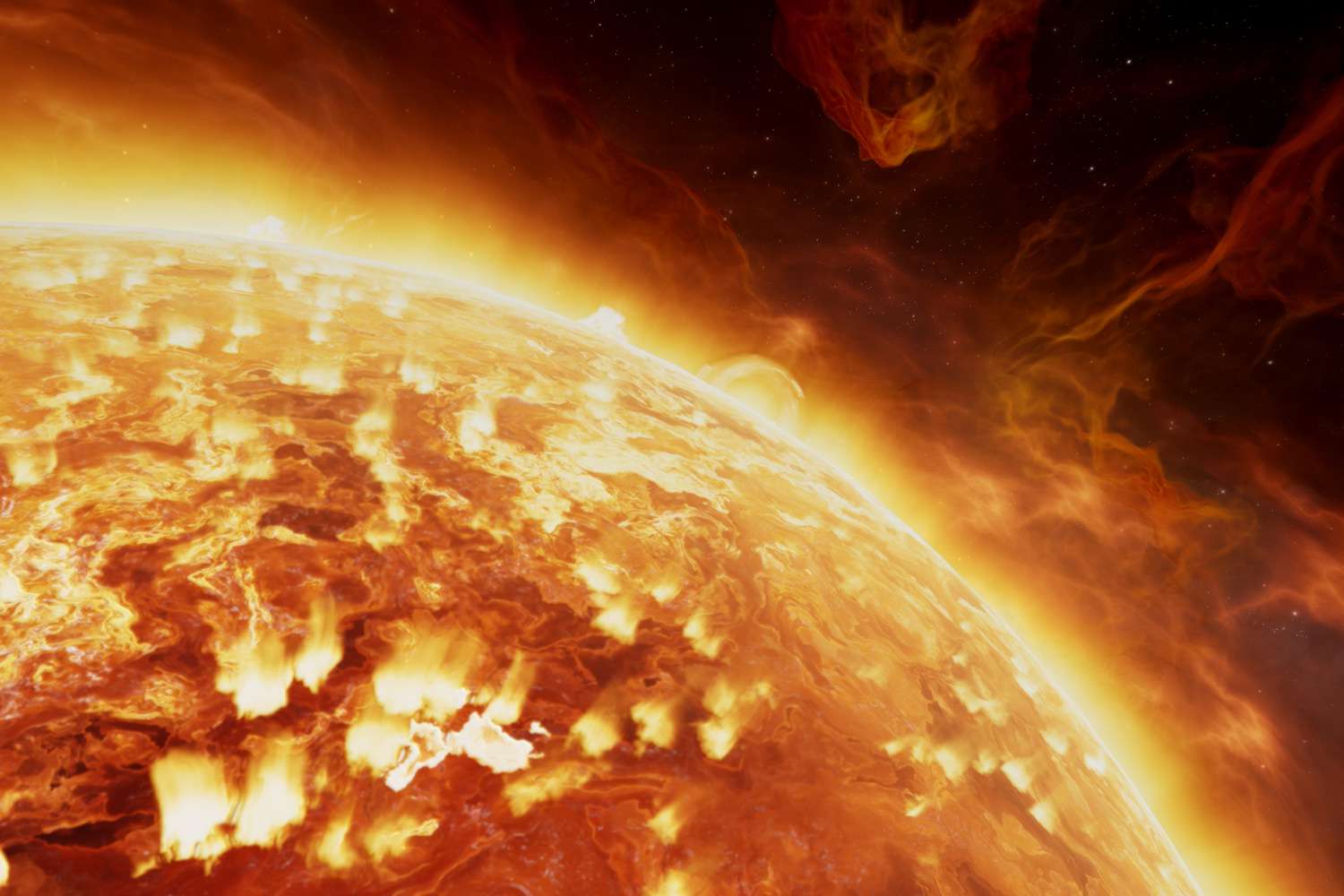
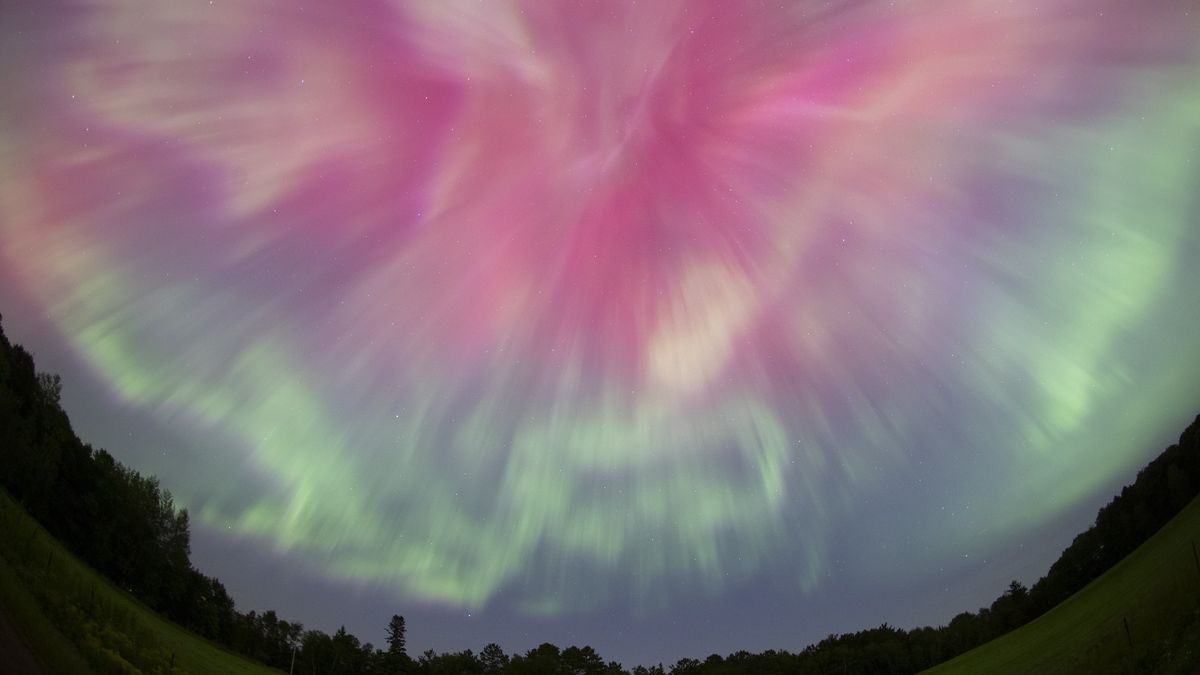
On Thursday, a significant solar outburst impacted Earth, leading to a “severe” G4-class geomagnetic storm. This event was triggered by an enormous mass of charged particles ejected from the sun on October 8. The solar storm has generated the potential for auroras to be visible much farther south than usual, possibly reaching areas like California and Alabama.

Impact on Power Grids and Communications

The National Oceanic and Atmospheric Administration (NOAA) has warned that this storm could disrupt power grids and communications systems, especially those already weakened by recent Hurricanes Helene and Milton. The auroras are expected to light up the northern half of the U.S., with the possibility of sightings in lower latitudes. NOAA has been in contact with federal and state officials to discuss the potential impacts on hurricane recovery efforts. These disruptions could further complicate efforts to restore power and communications in areas already affected by severe weather.

Potential for Intensification

There is a chance that the storm could intensify into “extreme” G5-class conditions, similar to a notable solar event in May that resulted in auroras visible as far south as Florida. NOAA is closely monitoring the situation and will provide ongoing updates regarding the storm’s progression. The agency advises the public to stay informed about potential impacts on power and communications infrastructure and to be prepared for possible interruptions.

Public Preparedness and Ongoing Monitoring

As NOAA continues to track the solar storm, they emphasize the importance of public preparedness. Residents in affected areas should be aware of the potential for power outages and communication disruptions. NOAA’s Space Weather Prediction Center is providing real-time updates and forecasts to help mitigate the storm’s impact. By staying informed and taking precautionary measures, communities can better manage the challenges posed by this powerful solar event.
NOAA Issues Severe Solar Storm Alert: Auroras Expected Across the U.S. with Potential Power Grid Disruptions

A significant solar storm is set to reach Earth on Thursday, October 10th, as predicted by the U.S. National Oceanic and Atmospheric Administration (NOAA). This geomagnetic event has the potential to create breathtaking auroras across various regions while also posing risks to radio communications, power grids, and satellite operations. The NOAA’s Space Weather Prediction Center (SWPC) has issued a G4-class geomagnetic storm warning, indicating that this storm is one of the strongest to be observed, following a similar event in May that captivated skywatchers with its vivid displays.

The upcoming solar storm is a result of a powerful solar flare classified as X1.8, which erupted from the sun during the night of October 8th. This flare was accompanied by a coronal mass ejection (CME), a massive burst of solar wind and magnetic fields rising above the solar corona. As the CME travels towards Earth, its magnetic field will interact with our planet’s magnetic field, leading to increased geomagnetic activity. Shawn Dahl, a service coordinator at the SWPC, noted that the extent of the storm’s impact will largely depend on the alignment of the CME’s magnetic field with that of Earth. A direct alignment could result in a more intense storm, while a misalignment might reduce the storm’s overall effects.

In addition to the stunning visual effects expected in the night sky, this solar storm poses potential challenges for various technologies. Radio communications, particularly those relying on high-frequency bands, may experience disruptions, impacting aviation and maritime operations. Furthermore, the storm could lead to voltage fluctuations in power grids, prompting utility companies to prepare for possible impacts. The heightened geomagnetic activity might also affect satellites in orbit, potentially leading to signal degradation and operational challenges.

As the solar storm approaches, scientists and enthusiasts alike are preparing for the opportunity to witness the natural beauty of the auroras. The NOAA advises skywatchers to find locations away from city lights for the best viewing conditions. While the storm may bring awe-inspiring visuals, awareness of its potential impacts on technology and infrastructure remains crucial. With advancements in forecasting, experts will continue to monitor the storm’s progress and provide updates, ensuring that communities and industries can adequately prepare for the effects of this powerful solar event.