Yazılar

Key Concerns for Global Markets in a Tight U.S. Election Race

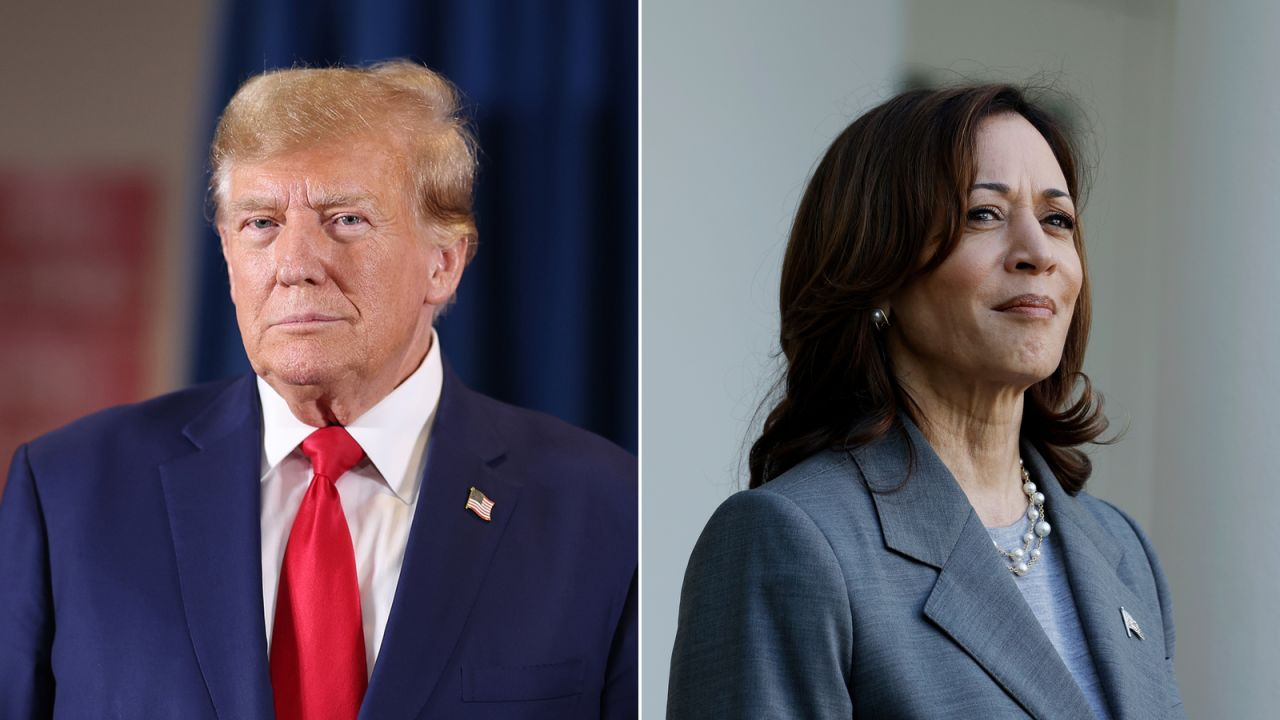
As the U.S. presidential election between Vice President Kamala Harris and former President Donald Trump approaches, global markets are closely watching the outcome. This election is poised to have significant impacts across regions and sectors, influencing trade, currencies, equities, and emerging markets. Below are some of the most important considerations for global markets:

1. European Markets and Trade Relations

A Trump victory could reignite trade tensions, particularly affecting European markets. German automakers like BMW and luxury goods manufacturers such as LVMH may face a challenging outlook if Trump imposes his proposed 10-20% tariffs on imports to the U.S. Barclays has warned that such tariffs could lead to a “high single-digit” percentage drop in European earnings, posing risks to export-heavy sectors.

On the other hand, a Harris win would be relatively more favorable for European equities, especially in sectors like renewable energy. Companies with significant U.S. projects, such as Orsted and Iberdrola, could see benefits from the U.S. push toward cleaner energy. However, Harris’ proposed corporate tax hike, from 21% to 28%, could impact profit margins for both American and European firms with U.S. exposure.

2. Impact on the War in Ukraine

The U.S. election outcome could have broad geopolitical implications, particularly regarding support for Ukraine in its war against Russia. Trump and some Republican lawmakers have voiced skepticism over continued U.S. funding for Ukraine, which could disrupt aid to the country. In contrast, the Democratic side, led by Harris, is likely to maintain or increase support for Ukraine. Aerospace and defense stocks, which have risen over 80% since the onset of the war in 2022, could be particularly sensitive to this issue.

3. Currency Market Movements

Currency markets are bracing for potential swings depending on the election result. Under a Trump presidency, higher tariffs would likely weigh down the euro, with the EUR/USD exchange rate potentially falling to $1.05. A Harris victory, by contrast, could push the euro above $1.15 as markets anticipate fewer disruptions to global trade.

Additionally, currencies tied to trade with China, such as the Australian and New Zealand dollars, could suffer under a Trump victory due to heightened tariffs. Sweden’s and Norway’s currencies may also be vulnerable to global trade disruptions, while the Canadian dollar might face headwinds if a Harris win leads to expectations of slower U.S. economic growth.

4. China and Global Trade Dynamics

China is a significant player in the global economy, and the U.S.-China relationship is central to world trade dynamics. A Trump win could lead to an escalation of trade wars, which would likely cause U.S. investors to further retreat from Chinese assets. Tariffs and sanctions on Chinese companies could be severe, with estimates suggesting a 60% tariff under Trump could cause Chinese stocks to drop by 13%.

Conversely, Harris is expected to take a more measured approach, with targeted tariffs rather than sweeping economic policies. If Beijing anticipates new U.S. tariffs, it may respond with increased state spending to counterbalance trade losses, potentially providing short-term relief to the Chinese economy.

5. Emerging Markets Under Pressure

Emerging market (EM) equities have been underperforming developed markets for much of the past decade, but they are now showing signs of recovery. Falling U.S. interest rates and easing inflation have created an environment conducive to EM growth. However, a Trump victory, accompanied by the resurgence of global tariffs, could suppress this optimism.

Mexico, given its strong trade ties with the U.S., stands to lose the most under Trump. The Mexican peso, already sensitive to U.S. election news, could face further pressure if Trump reintroduces aggressive trade policies. JPMorgan and UBS have cautioned against taking large positions in EM assets until the election risk passes, with UBS warning of potential 11% losses in EM equities by 2025 if Trump’s tariffs materialize.

Conclusion

The upcoming U.S. presidential election is pivotal for world markets, with the outcome likely to shape global trade, currency markets, and investor sentiment in significant ways. European markets may brace for renewed trade tensions under Trump, while a Harris victory would offer a steadier, more progressive path for global commerce. China remains at the heart of the U.S. trade conflict, with risks on both sides, and emerging markets, particularly those heavily reliant on trade with the U.S., face an uncertain future.
What a U.S. Federal Reserve Rate Cut Could Mean for the Global Economy

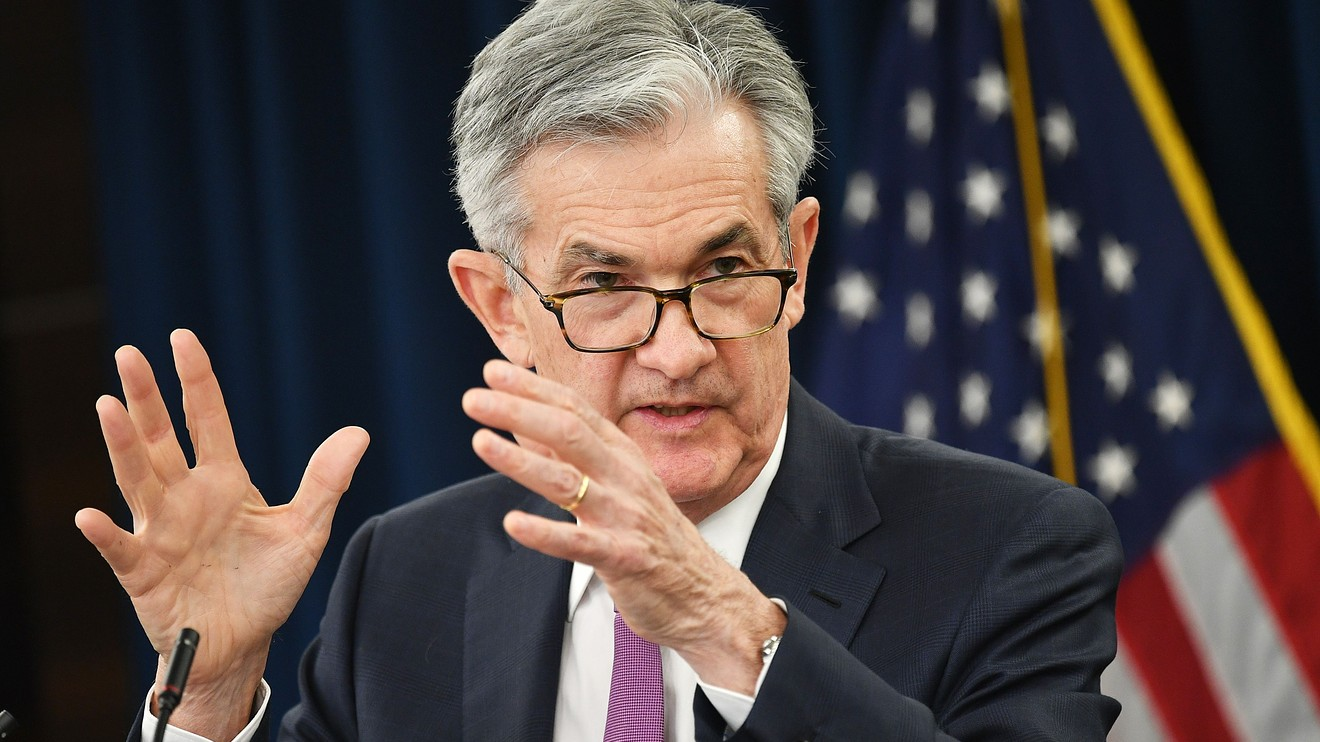
The U.S. Federal Reserve is widely expected to implement its first interest rate cut since the Covid-19 pandemic. Although anticipated, global investors are bracing for significant impacts, as the Fed’s decisions ripple through international markets.

Many central banks, including those in the eurozone, U.K., and Canada, have already cut rates, responding to sluggish growth and declining inflation. However, analysts have speculated that further rate cuts might be limited without the Fed moving in tandem, given its significant global influence.

Global Impact of Fed Rate Cut:
A key concern tied to a Fed rate cut involves the effect on global currencies. Higher interest rates typically attract more foreign investment, strengthening the local currency. In the current cycle, countries like Japan and Turkey have experienced currency devaluation due to low interest rates, while the U.S. dollar surged in 2022, driven by aggressive Fed rate hikes. A weaker currency can trigger inflation by increasing the cost of imports, complicating inflation management for some central banks.

Beyond currencies, the Fed’s decisions directly impact the U.S. economy, particularly with growing concerns about a softening labor market and potential recession. This, in turn, affects global asset prices. Gold, which has seen record highs, is influenced by both inflation fears and market uncertainty. Commodities such as oil, often priced in U.S. dollars, may see demand rise following a rate cut due to lower borrowing costs stimulating economic activity.

Emerging markets, heavily influenced by U.S. monetary policy, are especially vulnerable. Interest rate cuts in the U.S. lower the cost of borrowing dollars, which eases liquidity for global companies. However, lower U.S. yields may also redirect investments to other markets, making them relatively more attractive.

Uncertainty Surrounding the Fed’s Next Move:
While investors are confident about an upcoming rate cut, uncertainty lingers over how deep the cut will be and how quickly the Fed will proceed with additional reductions. Market speculations suggest the first cut could range from 25 to 50 basis points, but concerns about economic growth have pushed many to favor a more significant reduction. Historically, large rate cuts have signaled deeper economic challenges, as seen during the 2007 financial crisis and the tech bubble in the early 2000s.

Some analysts caution that while a rate cut may relieve market stress in the short term, it could foreshadow longer-term economic struggles. However, others argue that the current economic data remains inconclusive, allowing equities to hold steady until more definitive economic trends emerge.


European Stocks Gain Amid Economic Data, UK Wage Growth Hits Two-Year Low

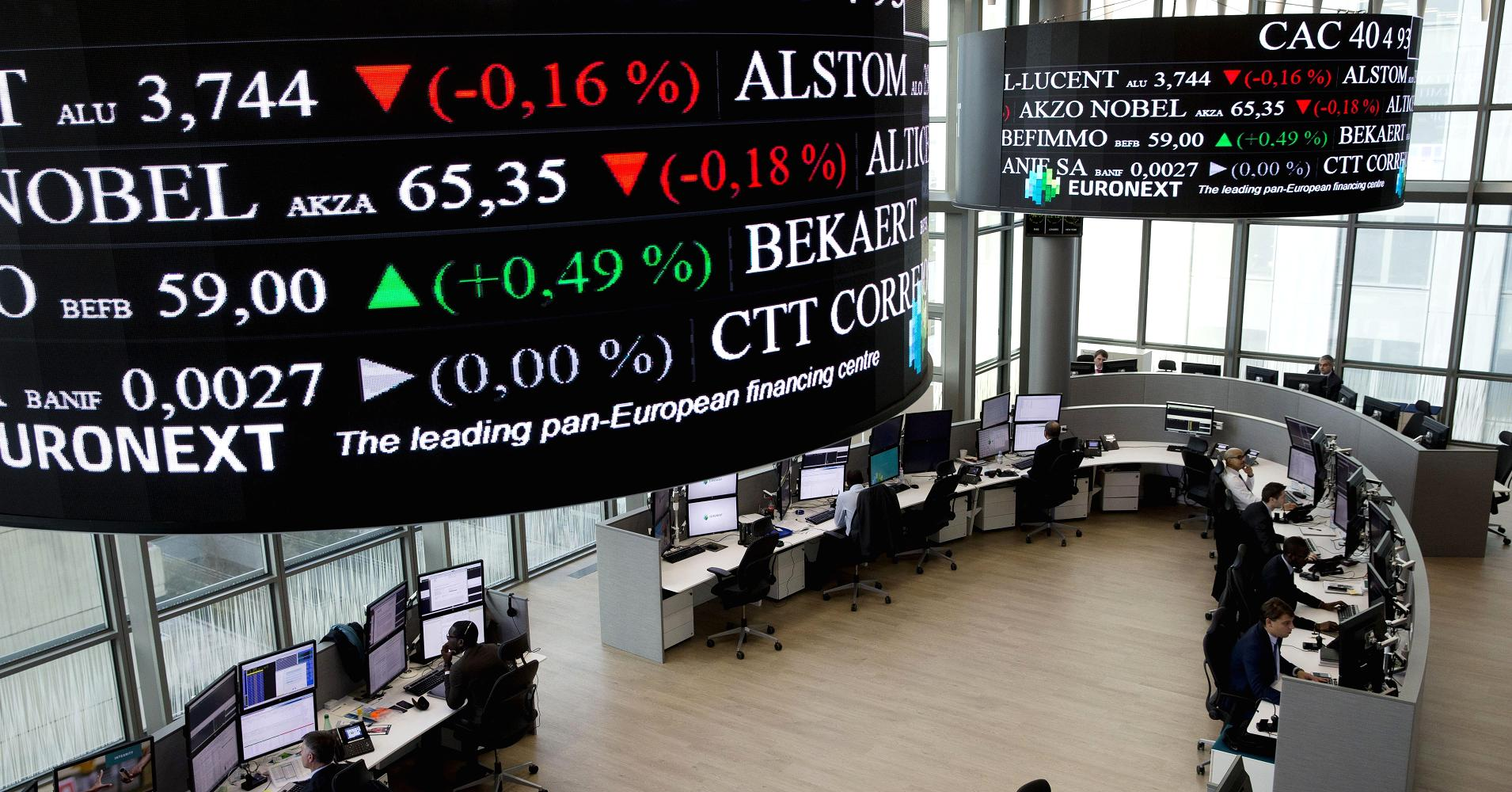
European markets closed higher on Tuesday as investors processed new economic data following a period of market volatility. The pan-European Stoxx 600 index saw a 0.5% increase, with most major stock exchanges and sectors showing gains. Health care stocks led the charge with a 1% rise, while mining stocks dipped by 0.5%. This positive movement came after a mixed performance on Monday, when the focus was largely on upcoming inflation reports from the U.S. and the U.K.

In the U.K., the latest wage data from the Office for National Statistics revealed that pay, excluding bonuses, grew by 5.4% year-on-year between April and June, marking the slowest growth rate in two years. Despite the slowdown in wage growth, the unemployment rate fell to 4.2% from 4.4%, defying economists’ expectations of an increase to 4.5%.

Jack Kennedy, a senior economist at Indeed, noted that the U.K. labor market remains “fairly tight,” with wage pressures easing only slightly. This gradual softening could limit the extent of monetary easing the Bank of England can implement this year. The central bank recently cut interest rates by 25 basis points, bringing the key rate to 5%. As inflation data for July is set to be released, economists anticipate a slight uptick in the headline rate to 2.3%, following two months at 2%. Markets are pricing in the likelihood of further rate cuts totaling 50 basis points before the end of the year.

Following the labor market data, the British pound strengthened, rising 0.4% against the U.S. dollar to $1.2823. Globally, investors are also closely watching U.S. inflation data, seeking insights into the health of the world’s largest economy. On Tuesday, the U.S. producer price index, which measures wholesale prices, showed a modest 0.1% increase for July, falling short of expectations. This lower-than-expected rise could pave the way for the Federal Reserve to consider lowering interest rates.

U.S. stock markets responded positively to the news, with attention now turning to the consumer price index report due on Wednesday, which is expected to provide a clearer picture of inflation trends and future monetary policy actions.