Yazılar

NASA Satellites Show Decline in Freshwater Reserves Amid Ongoing Global Droughts and Warming

NASA Satellites Reveal Alarming Decline in Freshwater Reserves Amid Global Climate Challenges

Data from NASA’s Gravity Recovery and Climate Experiment (GRACE) satellites has revealed a concerning trend: Earth’s freshwater supplies have been significantly declining since May 2014. Published in Surveys in Geophysics, the findings show a marked shift in global water availability, underscoring the impact of prolonged droughts and rising temperatures. The research, conducted by an international team of scientists, highlights that freshwater reserves are persistently below average, indicating a drier phase for the planet that shows little sign of abating.

Global Freshwater Reserves Drop Significantly

The GRACE mission, a collaboration between NASA and German research institutions, tracked global freshwater reserves from 2015 to 2023, finding a reduction of approximately 1,200 cubic kilometers. To put this into perspective, this amount of water is about two-and-a-half times the volume of Lake Erie, one of the largest freshwater lakes in the world. The GRACE satellites measured not only surface water but also groundwater and other freshwater sources, providing a comprehensive view of the planet’s water reserves.

Impact of Drier Conditions on Water Availability

Matt Rodell, a hydrologist at NASA’s Goddard Space Flight Center, noted that the data points to a significant departure from the pre-2014 water availability averages. This shift is indicative of a continuing trend of global freshwater scarcity, exacerbated by ongoing climate change. As droughts become more frequent and intense, many regions are facing challenges in securing reliable water sources for both drinking and agricultural use.

Addressing the Freshwater Crisis

The ongoing decline in freshwater reserves presents a serious challenge for governments, industries, and communities around the world. While the GRACE satellite data offers crucial insight into the state of global water resources, it also underscores the urgent need for sustainable water management and climate change mitigation strategies. With global temperatures continuing to rise, the pressure on freshwater systems is expected to grow, making it more vital than ever to implement solutions that can help preserve and replenish these critical resources.

NASA and German Satellites Show Global Freshwater Levels Have Been Dropping Since 2014

Global freshwater reserves have been on a steady decline since May 2014, according to a comprehensive study conducted by an international team using NASA and German satellites. Data from the Gravity Recovery and Climate Experiment (GRACE) mission revealed a marked reduction in the amount of freshwater stored on land, including in lakes, rivers, and underground aquifers. The findings, published in Surveys in Geophysics, suggest that this ongoing decrease may signal a shift towards drier conditions worldwide, affecting regions from Asia to North America.

The study quantified the loss of freshwater between 2015 and 2023, revealing a decrease of 290 cubic miles compared to the average levels recorded from 2002 to 2014. This loss is more than twice the volume of Lake Erie, a startling statistic that underscores the severity of the situation. Contributing factors to this freshwater reduction include prolonged droughts and the growing reliance on groundwater for agricultural and urban needs. The overuse of groundwater, particularly for irrigation and drinking water, depletes reserves faster than they can be naturally replenished. A 2024 United Nations report warned of the societal risks posed by these diminishing water supplies, including famine, poverty, and the increased reliance on unsafe water sources.

In addition to human activities, the effects of climate change are also playing a significant role in the depletion of freshwater. Rising global temperatures are exacerbating the loss of water by intensifying evaporation and increasing the atmosphere’s capacity to hold moisture. According to Michael Bosilovich, a meteorologist at NASA Goddard, this leads to more extreme rainfall events, but these are often interspersed with longer dry periods that reduce soil absorption. This cycle of extreme weather patterns results in more frequent and severe droughts, further aggravating water shortages.

The implications of these findings are profound, signaling not only a decrease in available freshwater but also potential consequences for agriculture, ecosystems, and human health. As the global population continues to grow and climate change accelerates, the management and conservation of freshwater resources will become ever more critical in ensuring a sustainable future.

Developing Nations Criticize $300 Billion COP29 Climate Finance Deal as Inadequate

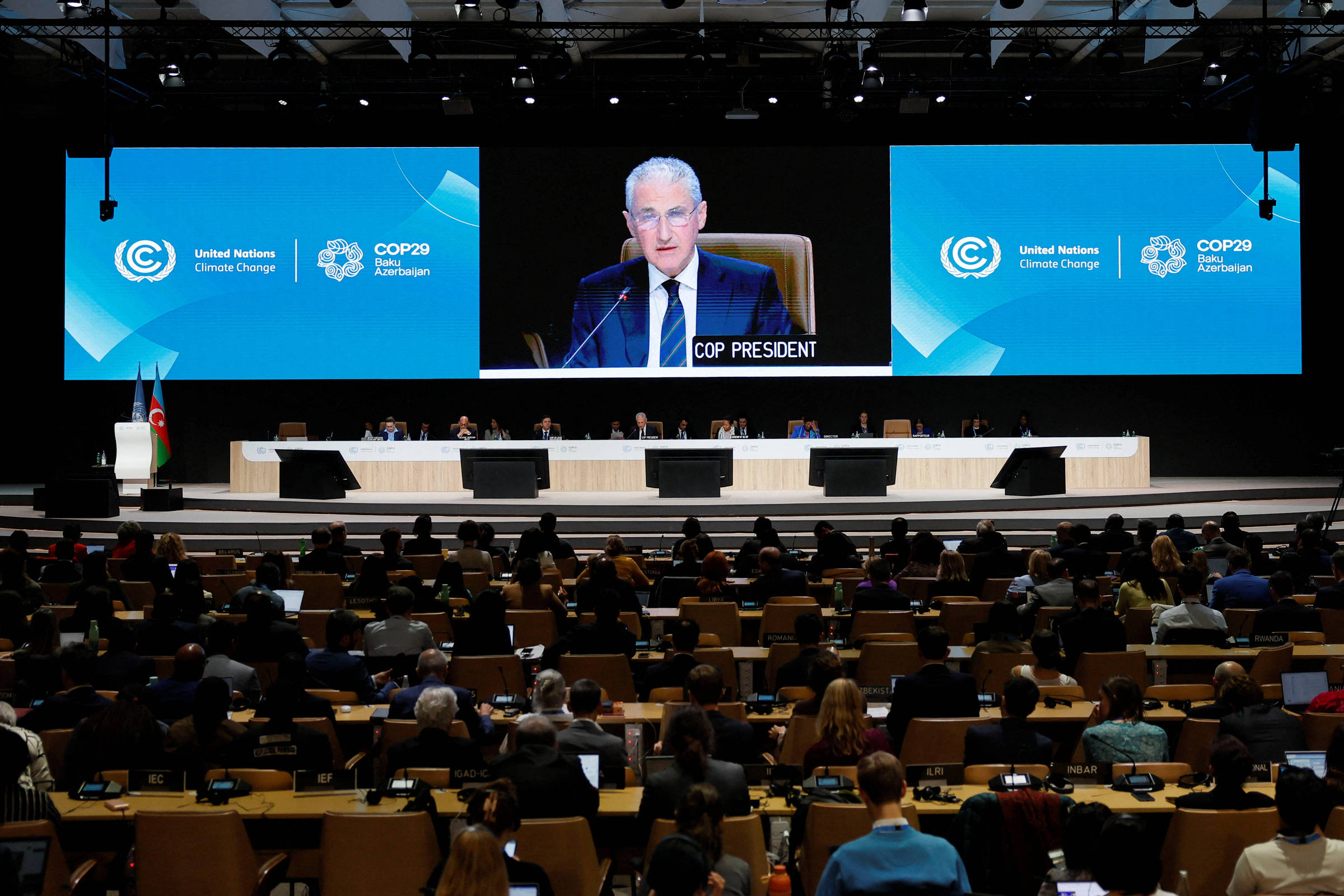
The COP29 climate summit in Baku concluded with a $300 billion annual global finance commitment to help developing nations combat the effects of climate change. However, many recipient countries criticized the deal, calling it insufficient to address the escalating climate crisis.

Negotiations, which extended past the scheduled Friday deadline, ended with mixed reactions. Some delegates welcomed the agreement as a critical step forward, while others, particularly from developing nations, voiced their dissatisfaction. Indian delegate Chandni Raina described the document as “an optical illusion” that failed to address the magnitude of the climate challenges.

The deal, set to take effect until 2035, aims to increase the financial support pledged by wealthier nations, building on the unmet $100 billion annual goal originally set for 2020. While this agreement marks progress, many representatives, including Tina Stege of the Marshall Islands, argued that the funding remains far below what vulnerable countries urgently need.

Key Points of the Agreement

  1. Financial Commitments:
    • $300 billion annually in climate finance for developing nations by 2035.
    • A broader target to mobilize $1.3 trillion per year from public and private sources.
  2. Climate Market Rules:
    • The deal introduced mechanisms for a global carbon credit market aimed at generating additional funding through projects like reforestation and clean energy deployment.
  3. Fossil Fuel Transition:
    • No concrete plans were outlined to transition away from fossil fuels or to triple renewable energy capacity, goals previously set at COP28. This omission led to criticism from several delegations, with some blaming obstructionist tactics by nations such as Saudi Arabia.
  4. Funding Responsibility:
    • Contributions are required from about two dozen industrialized countries, including the U.S., European nations, and Canada.
    • The agreement encourages but does not mandate contributions from emerging economies like China and oil-rich Gulf states, a point of contention for European governments.

Broader Context

The summit highlighted deep divides between developed and developing nations. Wealthy countries, grappling with economic and geopolitical pressures, were reluctant to increase financial commitments, while developing nations emphasized the urgent need for greater support to combat climate disasters.

The $300 billion pledge aims to advance the Paris Agreement’s goal of limiting global temperature rise to 1.5°C above pre-industrial levels. However, the 2024 U.N. Emissions Gap report shows that the world is on track for a temperature increase of up to 3.1°C by the end of the century, underscoring the urgency for bolder action.

Reactions

  • United Nations Climate Chief Simon Stiell: Hailed the agreement as “an insurance policy for humanity” but stressed the importance of timely and full financial contributions.
  • U.S. President Joe Biden: Praised the deal as a significant step forward but emphasized the need for continued efforts to meet global climate goals.
  • Donald Trump’s Influence: Skepticism about U.S. commitment resurfaced following Donald Trump’s recent election victory, given his history of climate change denial and withdrawal from international agreements during his presidency.

Climate Impacts in 2023

The urgency of climate finance was underscored by catastrophic climate events this year, including deadly floods in Africa, landslides in Asia, and droughts in South America. Even developed nations faced significant losses, such as Spain’s fatal floods and the U.S. recording 24 billion-dollar weather disasters.

The $300 billion agreement is seen as a stepping stone toward the next COP summit, set to take place in Brazil’s Amazon rainforest, where nations will aim to finalize a roadmap for the next decade of climate action. However, with the world’s warming trajectory far from its targets, the pressure for more ambitious commitments continues to mount.