Yazılar

Insights from Jarred Sumner: The Vision Behind Bun.js and the Future of Tech Startups

Bun.js is transforming the server-side JavaScript landscape, emerging as a comprehensive and innovative runtime solution. Devamını Oku

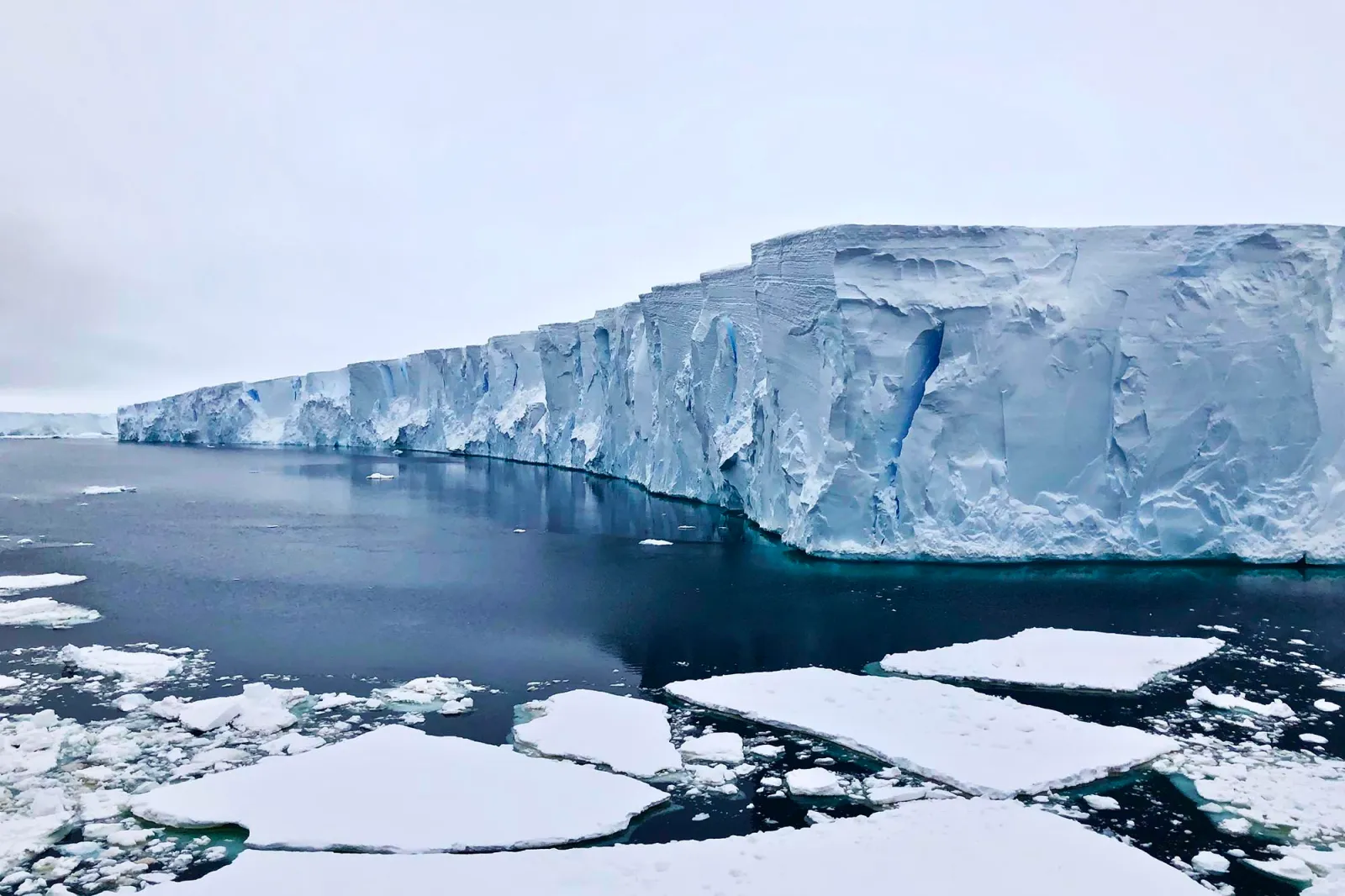
Scientists Uncover Alarming Signs Beneath the Doomsday Glacier, Foretelling Global Disaster

Scientists studying Antarctica’s Thwaites Glacier, often referred to as the “Doomsday Glacier,” have uncovered troubling signs that it is melting at an accelerating pace and may be on a path of irreversible collapse. This could have devastating implications for global sea levels. The glacier holds enough ice to raise sea levels by over 2 feet, but its collapse could trigger a much larger increase, potentially up to 10 feet, due to its role as a barrier for the vast Antarctic Ice Sheet. Such a rise in sea levels would threaten coastal communities worldwide, from Miami to the Pacific Islands.

Over the past six years, researchers from the International Thwaites Glacier Collaboration (ITGC) have used cutting-edge technology, including underwater robots like Icefin, to study the glacier’s vulnerabilities. Their findings, described as “grim,” suggest that the glacier is melting faster than previously understood, with warm ocean waters eroding the ice through deep cracks and formations. These mechanisms are contributing to rapid ice loss and could lead to the glacier’s collapse within 200 years.

Though there are some positive signs — like a lower-than-expected risk of towering ice cliffs collapsing rapidly into the ocean — the overall outlook remains dire. The research also revealed that Thwaites began retreating as early as the 1940s, possibly triggered by a strong El Niño event. Despite progress in understanding the glacier, scientists are still unsure if its retreat is now unstoppable, with many fearing that the glacier’s collapse could be inevitable even if humanity reduces carbon emissions.

The study’s conclusion: urgent action is needed, but the future of Thwaites and its global impact remains uncertain.

 

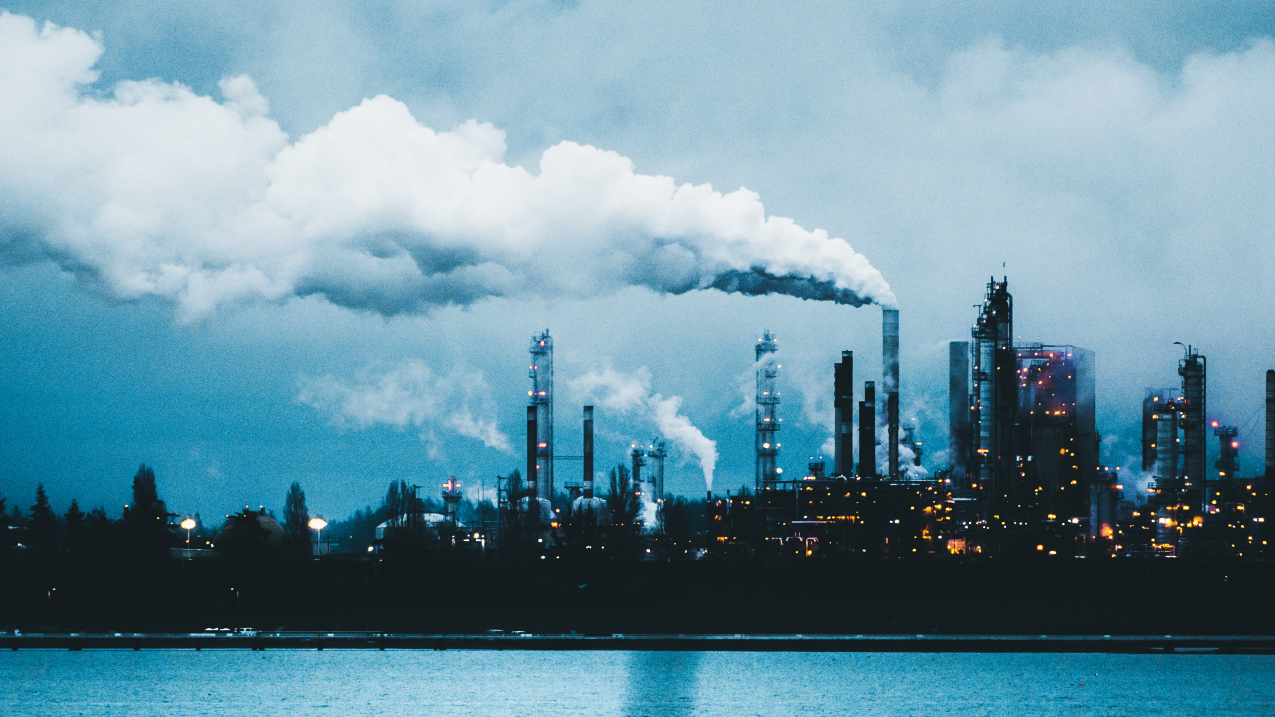
Hottest Summer on Record for the Second Year Running Signals Escalating Climate Crisis

The summer of 2024 has officially become the hottest on record, continuing an alarming trend that points to the likelihood of this year being the hottest in human history. According to data released by the European Union’s Copernicus Climate Change Service (C3S), the global average temperature for the Northern Hemisphere’s summer months, from June through August, was the highest ever recorded. This year’s temperatures were found to be 0.69 degrees Celsius above the 1991-2020 average, surpassing the previous record set just a year earlier by 0.03 degrees Celsius.

C3S deputy director Samantha Burgess emphasized that the world witnessed a series of record-breaking temperature events within the span of just three months, including the hottest day, June, and August on record. These extreme heat events have significantly increased the likelihood of 2024 being the hottest year on record, Burgess stated in a written release.

The extreme heat seen this summer is a direct consequence of the climate crisis, driven largely by the continued burning of fossil fuels. Climate scientists have long warned that rising global temperatures are linked to an increase in extreme weather events, such as the unprecedented heatwaves observed across several continents this year. These events are expected to intensify further if decisive action is not taken to reduce greenhouse gas emissions, which are the key drivers of climate change.

As global temperatures continue to rise, the impact on ecosystems, economies, and public health is becoming increasingly severe. The sweltering conditions have already shattered national heat records and underscored the urgent need for governments to commit to more aggressive emissions reductions. Without meaningful intervention, the escalating climate crisis will only worsen, posing significant risks for future generations and the planet.

Experts agree that while the data provided by C3S underscores the gravity of the situation, it also serves as a critical call to action for policymakers worldwide. Immediate and sustained efforts to reduce greenhouse gas emissions are essential if we are to prevent global temperatures from reaching even more dangerous levels in the years to come.