Imitation Ozempic Floods Market: Evaluating Risks, Costs, and Alternatives
The Surge of Injectable GLP-1 Medications and Access Challenges
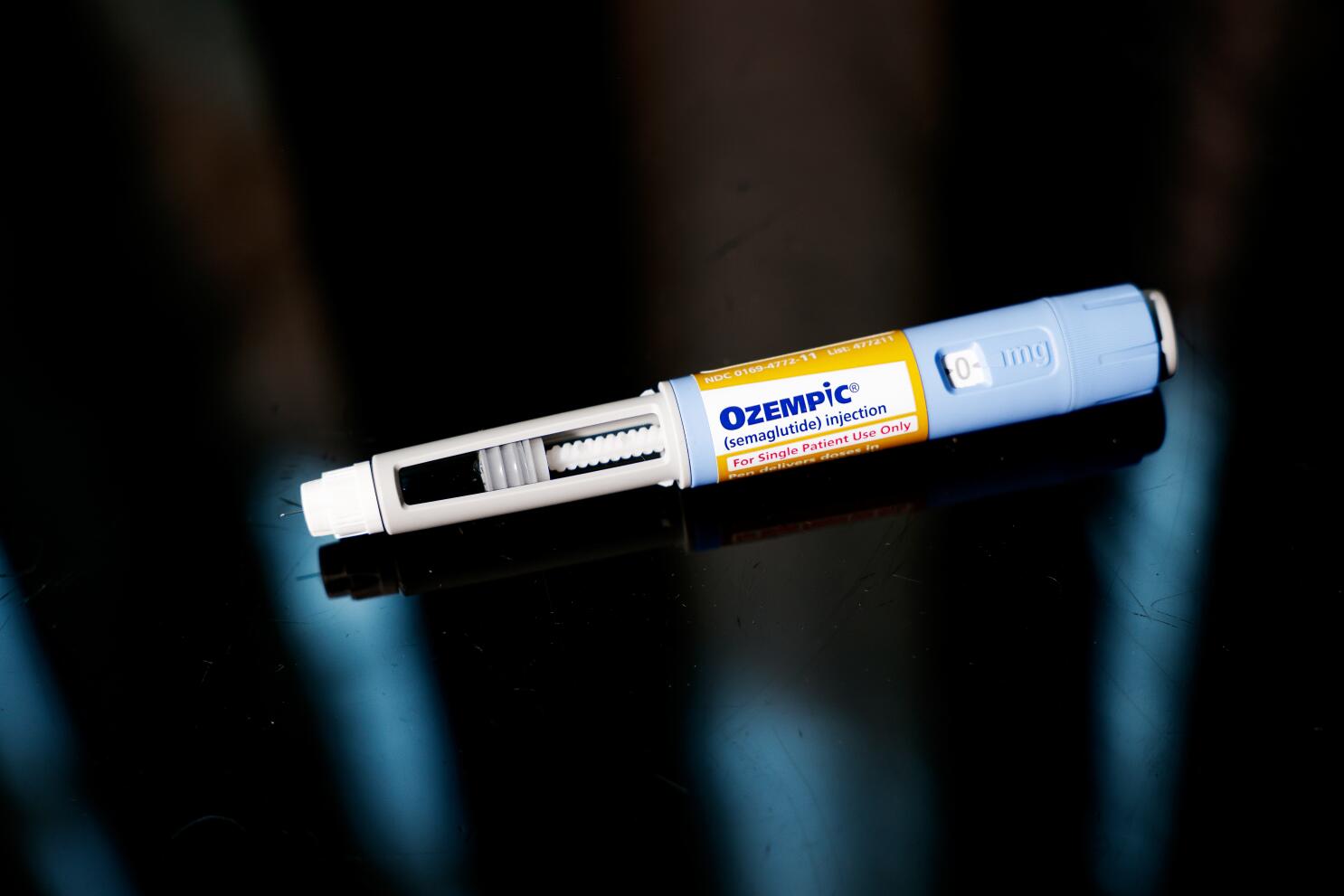
In recent years, injectable medications such as Ozempic, Wegovy, and Mounjaro have gained prominence for their effectiveness in aiding weight loss and managing blood sugar levels. These drugs, classified as GLP-1 receptor agonists, have transformed the treatment landscape, with sales reaching billion-dollar figures. However, their high monthly costs, ranging from £800 to £1,000, present significant access barriers for individuals without insurance coverage that includes weight loss treatments. The situation was further complicated when the Food and Drug Administration (FDA) acknowledged a shortage of these vital medications in 2022, leaving many patients in need without viable options.
The Emergence of Alternative Weight Loss Products
In response to the shortage of GLP-1 medications, a wave of alternative products has flooded the market. With soaring demand for effective weight-loss solutions, various dietary supplements—ranging from pills and teas to herbal extracts—have claimed to offer similar benefits. However, these alternatives often contain unregulated and potentially harmful ingredients, including stimulants and laxatives that may pose significant health risks. Alarmingly, poison control centers have reported a spike in health issues related to these off-brand weight loss products, raising concerns among healthcare professionals about their safety and efficacy.
Compounding Pharmacies as a Solution
Compounding pharmacies have surfaced as a potential alternative for those struggling to access brand-name GLP-1 medications. These specialized pharmacies can create tailored formulations of semaglutide and tirzepatide, typically at lower costs ranging from £250 to £400 per month. While this option provides a more affordable route for many patients, it is not without its risks. The regulatory oversight governing compounding pharmacies is often less stringent than that of traditional pharmaceutical manufacturers, leading to significant concerns regarding the quality and safety of compounded medications. Patients must exercise caution and due diligence when considering these alternatives.
The Importance of Informed Decision-Making
As the landscape of weight-loss treatments evolves, individuals are urged to prioritize informed decision-making. Consulting healthcare professionals is crucial in navigating the complexities of available options, including the potential risks associated with alternatives to GLP-1 medications. In addition to exploring safe alternatives, individuals should remain vigilant about their health and wellbeing, ensuring that their choices support their long-term goals. Ultimately, addressing the challenges posed by high medication costs and shortages requires a collaborative effort among patients, healthcare providers, and policymakers to create sustainable solutions that prioritize patient access to effective and safe treatments.