Yazılar

GM Shifts Focus to Super Cruise After Robotaxi Setback

General Motors (GM) is shifting its technology strategy toward its Super Cruise driver assistance system after discontinuing its costly robotaxi venture, Cruise. The company expects Super Cruise, a partially automated driving system similar to Tesla’s Autopilot, to generate approximately $2 billion in annual revenue within five years.

Super Cruise, available on select Cadillac and large SUV models, enhances driver convenience while ensuring attentiveness through a robust sensing system. Unlike Tesla’s Autopilot, Super Cruise actively monitors driver engagement, offering a more structured approach to hands-free driving. Customers can access the technology as a standard or optional feature, with optional pricing between $2,200 and $2,500. After a free three-year trial, users can continue with a subscription at $25 per month or $250 annually.

Despite GM’s push into software-driven vehicle technologies, its stock remains undervalued compared to Tesla. Tesla’s valuation is around 120 times expected earnings, reflecting its tech-driven appeal, while GM trades at just five times earnings. Investors also remain cautious about potential tariffs under the Trump administration, which contributed to an 8.9% drop in GM shares following its earnings report.

However, GM CEO Mary Barra remains optimistic about Super Cruise’s growth. The automaker expects to double its fleet of 360,000 Super Cruise-enabled vehicles in 2025. Currently, about 20% of users subscribe after their trial period ends, and GM aims to increase its subscription revenue as more vehicles reach their renewal window.

While Super Cruise involves hardware costs such as cameras and radar, analysts believe its software component will be highly profitable. Recurring subscription revenue could boost customer retention and brand loyalty, strengthening GM’s long-term position in the driver-assistance market.

 

GM Exits Loss-Making Cruise Robotaxi Business Amid Restructuring Efforts

General Motors (GM) has announced its decision to exit the development of robotaxi services at Cruise, its majority-owned autonomous driving unit, marking a significant pivot in the automaker’s strategic priorities. The Detroit-based company revealed on Tuesday that it will no longer fund Cruise’s robotaxi operations, citing the substantial time and financial investment required to scale the business in an increasingly competitive market.

Since 2016, GM has invested over $10 billion into Cruise, but the unit has yet to achieve profitability. Moving forward, Cruise will be integrated into GM’s driver-assistance technology group, signaling a shift away from fully autonomous vehicles. The decision follows GM’s broader strategy to focus on its more profitable lines of business, including gasoline-powered trucks and large vehicles, while scaling back on electric vehicle (EV) initiatives and restructuring its operations in China.

In 2023, GM CEO Mary Barra expressed optimism that Cruise could generate $50 billion in annual revenue by 2030. However, she described the unit as “expendable” on Tuesday, explaining that the high operational costs of running a robotaxi fleet did not align with GM’s core business. Barra emphasized the need for fiscal prudence, noting that the restructuring will cut annual spending on Cruise from $2 billion to $1 billion by June 2024.

While Barra did not specify how many Cruise employees might transition to other roles within GM, the decision reflects broader challenges in the autonomous vehicle (AV) industry.


COSTLY ROAD AHEAD FOR AUTONOMOUS VEHICLES

GM is not the first automaker to retreat from ambitious autonomous driving projects. In October 2022, Ford wound down its Argo AI unit, citing similar financial and technical hurdles. Although competitors like Tesla and Alphabet’s Waymo remain invested in AV technology, the market has proven to be both costly and complex.

Tesla CEO Elon Musk continues to champion the potential of robotaxis and expects regulatory support under President-elect Donald Trump’s administration to facilitate broader deployment. Meanwhile, Waymo is expanding its ride-hailing services in cities such as Los Angeles and Miami, bolstered by a $5.6 billion funding round led by Alphabet.


LEGAL AND OPERATIONAL HURDLES

Cruise’s recent legal challenges have further compounded GM’s decision to abandon its robotaxi ambitions. In October 2023, a Cruise vehicle in San Francisco struck and seriously injured a pedestrian. The company admitted to submitting a false report to federal regulators and agreed to pay a $500,000 fine as part of a deferred prosecution agreement. GM also faced significant financial penalties, including a settlement with the injured pedestrian, while U.S. safety regulators continued to scrutinize the company.

In July, GM shelved plans for a steering wheel- and pedal-free robotaxi, following layoffs of over 25% of Cruise employees and the dismissal of several top executives. GM also withdrew a petition to the National Highway Traffic Safety Administration (NHTSA) that sought approval to deploy up to 2,500 autonomous Origin vehicles annually without human controls.


SHIFTING FOCUS

As GM retreats from autonomous robotaxis, its focus appears to be realigning with its core business of producing conventional vehicles and advancing driver-assistance technologies. While the company once viewed Cruise as a cornerstone of its future mobility strategy, it now sees scaling such operations as a long-term endeavor that no longer aligns with its immediate priorities.

Despite the setbacks, GM shares rose 3.2% in extended trading on Tuesday, reflecting investor confidence in the automaker’s renewed focus on profitability.

BYD Set to Surpass 2024 Sales Goals, Overtake Ford and Honda

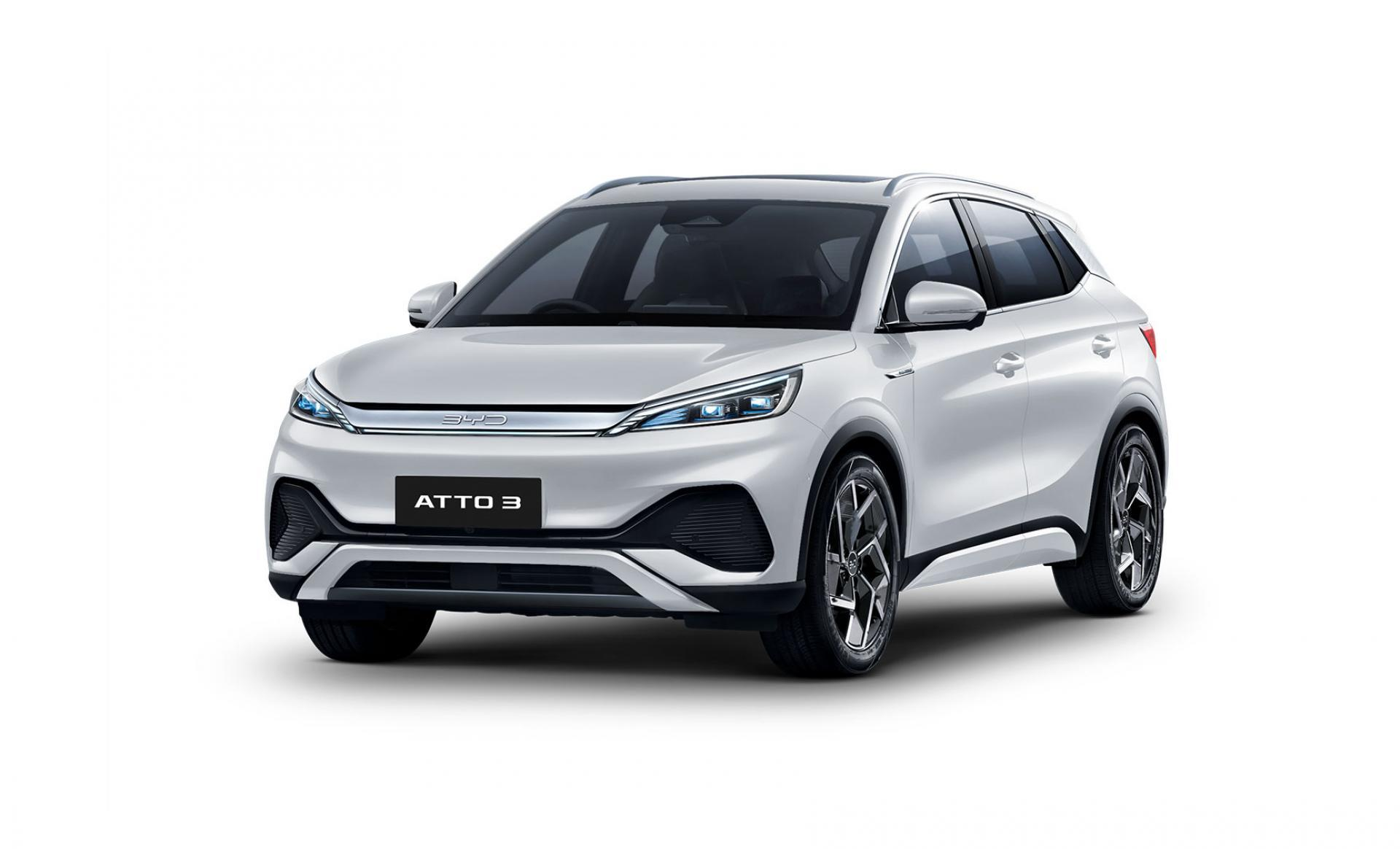
China’s leading electric vehicle (EV) maker, BYD, is poised to exceed its 2024 global sales target of 4 million vehicles, positioning it to surpass Ford and Honda in the process. The company’s growth has been bolstered by its significant market share gains in China, as well as strong sales driven by its competitive lineup of plug-in hybrid models. In the first 11 months of 2024, BYD delivered 3.76 million vehicles, including 506,804 units in November alone. This robust performance comes as China’s car sales grew at their fastest pace in 2024, supported by government-subsidized auto trade-ins.


Expansion and Market Share Gains

BYD’s impressive growth trajectory is largely fueled by an expansion in production capacity and an aggressive hiring strategy. The company added nearly 200,000 units in production capacity between August and October and hired 200,000 new employees. Its workforce now totals nearly 1 million, a sharp increase from 703,500 at the end of 2023. BYD’s market share in China stood at 17.1% as of November, a significant jump from 12.5% in 2023, according to the China Passenger Car Association.


Competitive Edge in the Price War

The company’s success is also attributed to its ability to thrive in a price war that has challenged foreign automakers. BYD has managed to maintain competitive pricing by requesting price cuts from suppliers and benefiting from its extensive scale. This strategic move has helped BYD reduce costs, outperform its rivals, and capitalize on the growing demand for electric vehicles in China.


Outpacing Rivals

BYD’s rapid growth in 2024 has allowed it to outpace traditional automakers like Ford and Honda. If current sales momentum continues, the company is on track to sell over 6 million units in the next 12 months, putting it in the same league as industry giants such as General Motors and Stellantis. The Chinese EV maker is targeting sales of 5 to 6 million vehicles in 2025, according to Citi analysts.