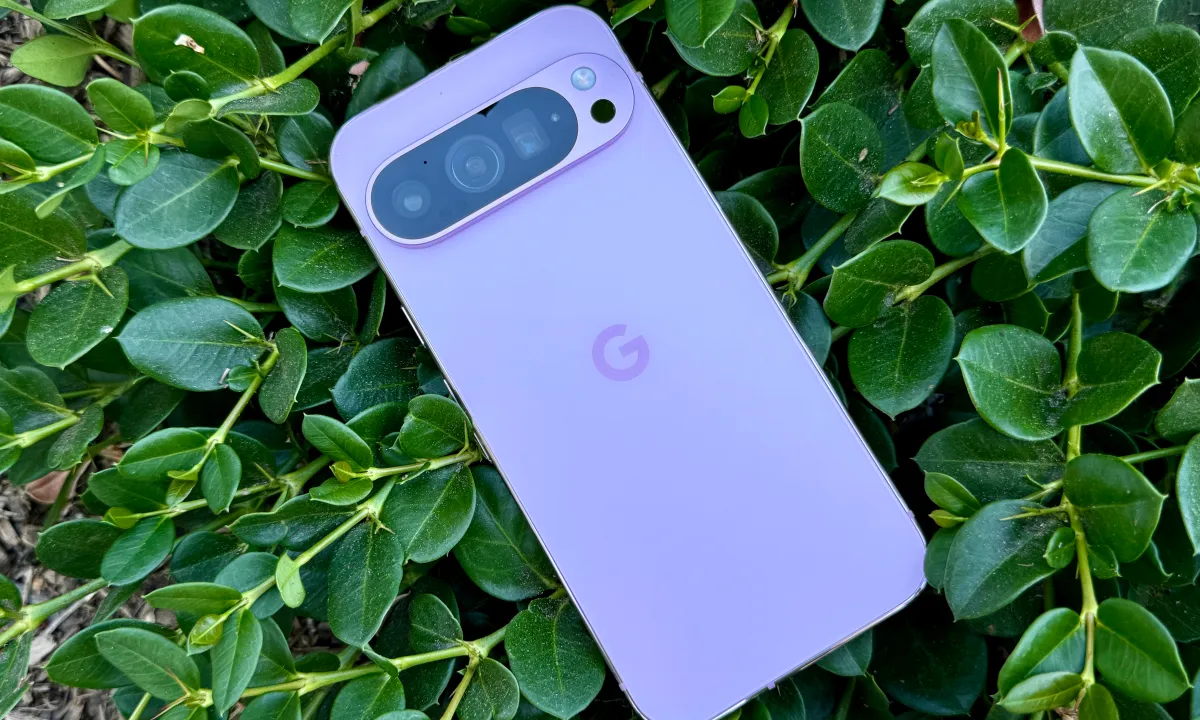
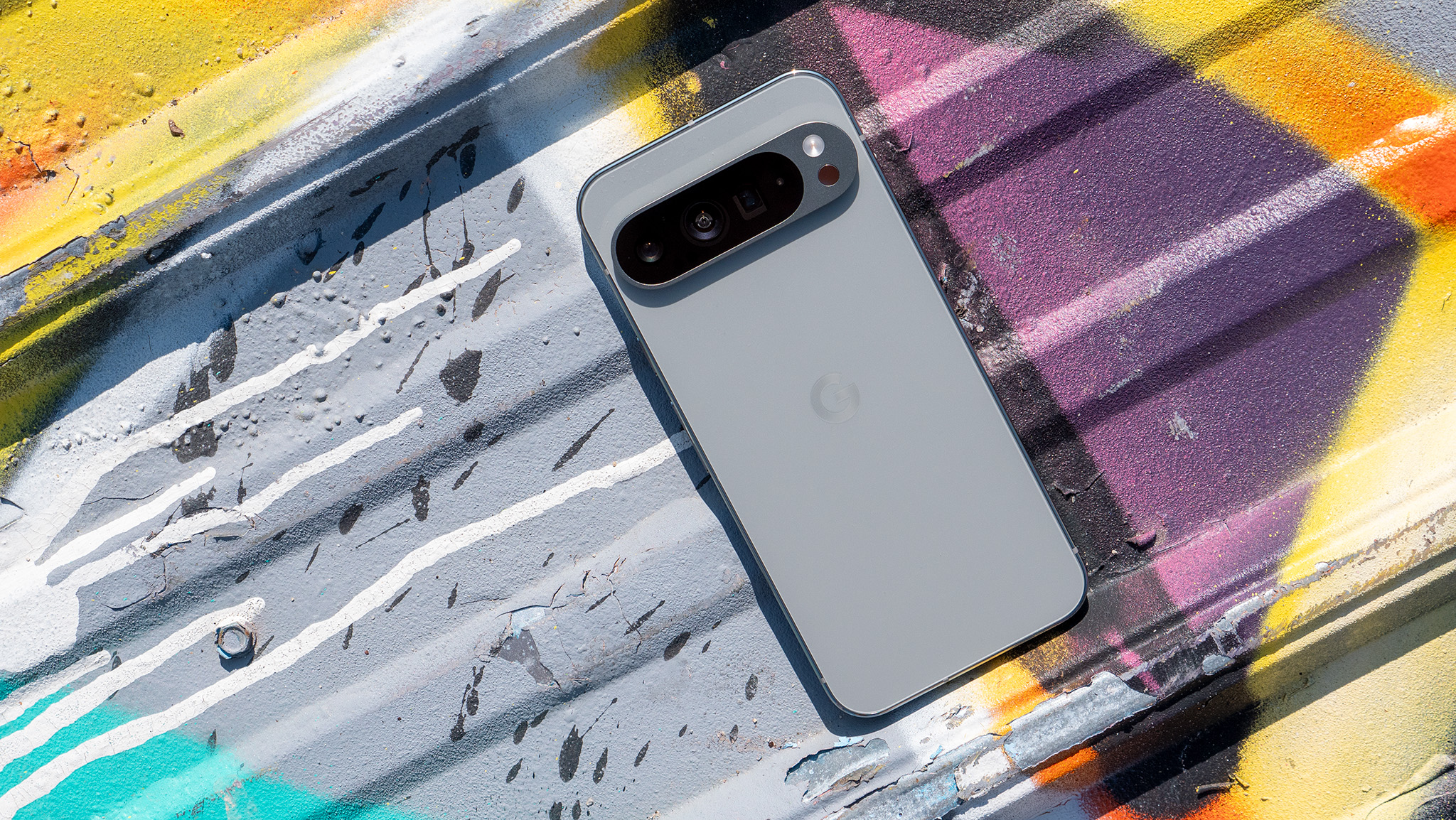
Google Pixel 10 Series to Feature Tensor G5 Chip with Major Upgrades, Including Custom Camera ISP
Google is set to unveil its highly anticipated Pixel 10 series later this year, powered by the next-generation Tensor G5 chip. In a significant shift, Google is expected to move away from Samsung as the primary manufacturer of its smartphone processors and turn to Taiwan-based TSMC for production. Ahead of the official launch, several details about the Tensor G5 chip’s new components have emerged, shedding light on the advancements and changes that will define Google’s upcoming flagship devices.
The Tensor G5 will build upon the foundation laid by the previous Tensor G4 chip, with Google continuing to incorporate its proprietary components for enhanced performance. According to sources close to the company, key features of the Tensor G5 will include the integration of Google’s always-on compute (AoC) audio processor, the Google Emerald Hill memory coprocessor, the Google GXP digital signal processor (DSP), and the Google EdgeTPU, all of which have been carried over from the G4. These components are expected to offer improvements in processing efficiency, audio handling, and machine learning capabilities.
A notable change with the Tensor G5 is the switch in GPU suppliers. Unlike its predecessors, which used GPUs designed by Samsung, the G5 will feature a GPU from Imagination Technologies, specifically the DXT model. This move is expected to improve graphics performance and power efficiency, contributing to a more seamless user experience. Additionally, the Tensor G5 will drop support for some older video codecs, such as Google’s BigWave (AV1) and Samsung’s MFC video codecs, in favor of a new video IP from Chips&Media, the WAVE677DV. This update could enhance video playback and streaming capabilities on the Pixel 10 series.
Perhaps the most significant change is in the camera department. Instead of relying on Samsung’s customized ISP (Image Signal Processor), Google is reportedly developing its own custom ISP for the Tensor G5, which is expected to offer enhanced image processing capabilities. This shift reflects Google’s ongoing investment in camera technology and its desire to have more control over the image quality produced by its smartphones. Additionally, the Tensor G5 will feature alternative components for interfaces and controllers, including UFS, USB3, and PWM controllers from third-party suppliers such as Synopsys, SmartDV, and Faraday Technologies, replacing Samsung’s previous offerings. These changes highlight Google’s commitment to improving the overall performance and customization of its hardware, setting the stage for a more refined and powerful Pixel 10 series.