
Yazılar

EU Faces Mounting Pressure to Delay Enforcement of AI Act as Deadline Nears

With key provisions of the EU Artificial Intelligence Act (AI Act) set to begin on August 2, major tech companies and political figures are urging the European Commission to delay enforcement. Critics say the current framework lacks sufficient guidance, placing a heavy burden on businesses—especially startups—without clear rules on how to comply.

What Happens on August 2?

Although the AI Act was passed in 2024, its rules are being phased in gradually. On August 2, some of the first obligations come into force—specifically for General Purpose AI (GPAI) models such as those developed by Google, OpenAI, Mistral, and others.

These initial provisions require AI developers to:

  • Draw up technical documentation

  • Disclose training data summaries

  • Comply with EU copyright laws

  • Conduct testing for bias, toxicity, and robustness

More rigorous rules apply to high-impact and systemic-risk models, which will need:

  • Adversarial testing

  • Incident reporting

  • Risk assessments

  • Energy efficiency disclosures

However, full enforcement—particularly penalties and oversight powers—doesn’t begin until August 2, 2026.

Why Are Companies Pushing for a Delay?

Tech companies argue that they lack clarity on how to comply with the law. A promised AI Code of Practice, meant to serve as the act’s compliance manual, was due on May 2 but has not been published. The European AI Board is now discussing pushing the guidance release to late 2025.

In an open letter, 45 European AI firms called for a two-year “clock-stop”—a suspension of the countdown to enforcement—until key standards are finalized. They also asked for simpler regulations, warning that unclear requirements could damage European innovation.

Lobbying group CCIA Europe, which represents companies like Google and Meta, said:

“A bold ‘stop-the-clock’ intervention is urgently needed to give AI developers and deployers legal certainty.”

Will the EU Postpone It?

Officially, the European Commission has not signaled a postponement. It insists that the August 2 start date for GPAI obligations stands, although the lack of finalized guidance suggests informal delays in compliance expectations.

Some political figures—including Swedish Prime Minister Ulf Kristersson—have also expressed concern, calling the act “confusing” and backing the idea of a pause.

What Comes Next?

Even if the AI Act’s initial deadlines hold, enforcement might be soft or flexible in the early stages due to the lack of practical tools. The AI Code of Practice remains the critical next step for clarity.

Meanwhile, the tension highlights a broader EU challenge: balancing innovation with regulation, especially in fast-moving fields like artificial intelligence.

Google Proposes New Search Changes to Avoid EU Antitrust Fine

Google has submitted a new proposal aimed at addressing complaints from rivals and avoiding a possible European Union antitrust fine, Reuters has learned from a confidential document. This comes ahead of a critical July 7-8 meeting in Brussels with the European Commission and competitors.

The proposal, referred to as “Option B,” offers an alternative to an earlier plan presented last week. It suggests displaying two boxes on Google’s search results page: a vertical search service (VSS) box featuring links to specialized search engines for hotels, airlines, restaurants, and transport, and below it, a separate box listing free links to individual suppliers in those categories. Google would manage the supplier information but the setup aims to avoid the VSS box being dominated by Google’s own services.

This proposal seeks to comply with the EU’s Digital Markets Act (DMA), which targets large tech companies to prevent unfair self-preferencing and foster competition. Google has already made hundreds of product changes under the DMA framework.

Despite the efforts, Google remains concerned that some DMA requirements could degrade online user experience in Europe. If found in violation of the DMA, Google could face fines up to 10% of its global annual revenue.

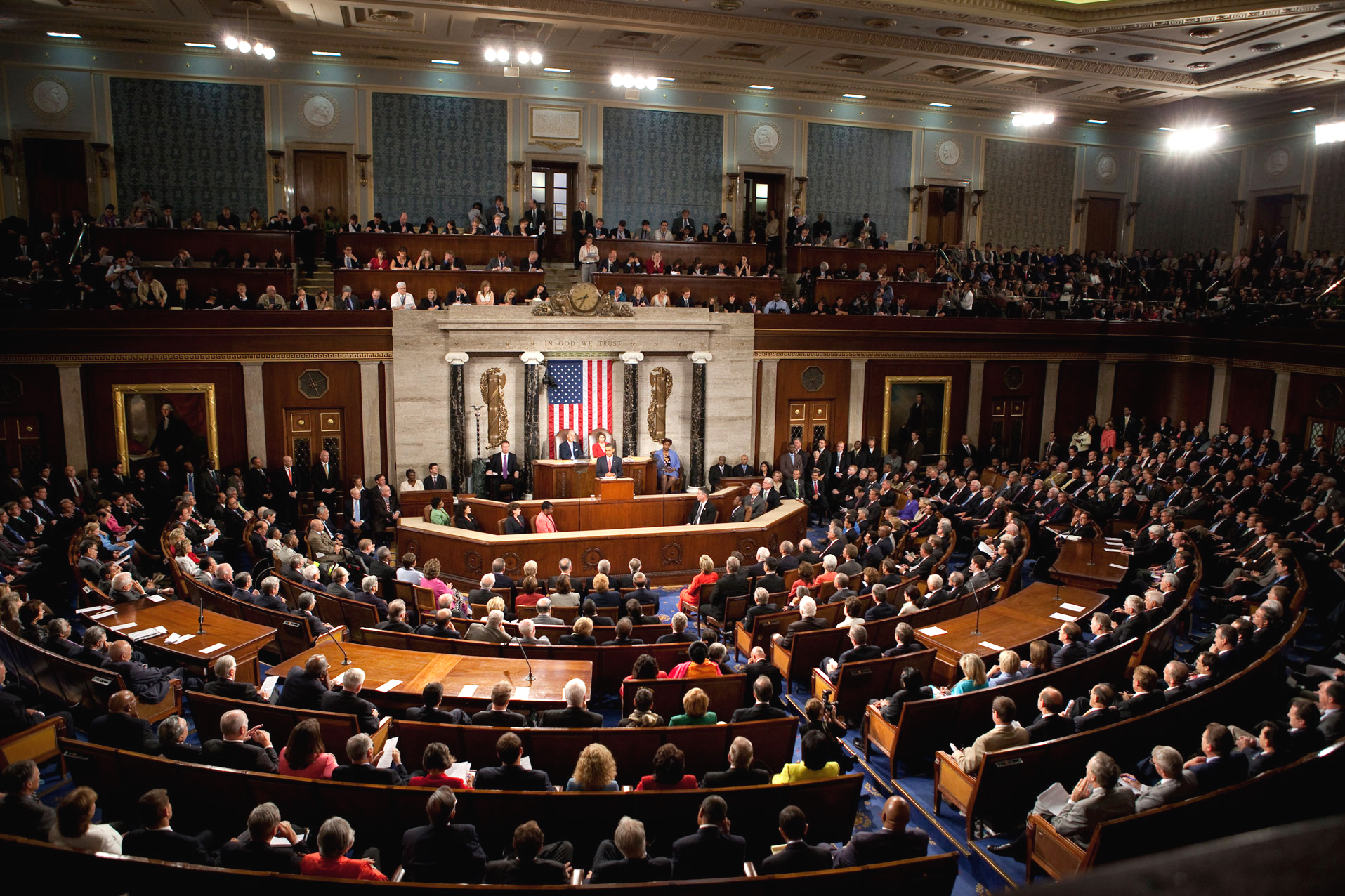
US Senate Removes AI Regulation Ban from Trump Tax Bill in Overwhelming Vote

The Republican-controlled U.S. Senate voted 99-1 on Tuesday to eliminate a 10-year federal moratorium that would have prevented states from regulating artificial intelligence. This amendment, offered by Republican Senator Marsha Blackburn, was adopted during a lengthy “vote-a-rama” session on President Trump’s tax-cut and spending bill.

Only Senator Thom Tillis voted to keep the ban. The Senate later passed the broader tax legislation with a narrow 51-50 vote. The original bill sought to restrict states from accessing a $500 million fund for AI infrastructure if they imposed AI regulations.

Major AI companies like Google and OpenAI had supported the moratorium, arguing that a consistent federal approach would foster innovation without a patchwork of state rules. However, Democratic Senator Maria Cantwell opposed the ban, emphasizing the importance of state laws to protect consumers from risks like robocalls, deepfakes, and unsafe autonomous vehicles.

Seventeen Republican governors also called for abandoning the moratorium. Arkansas Governor Sarah Huckabee Sanders said the Senate’s decision would enable states to protect children from unregulated AI harms.

Blackburn introduced the amendment shortly after withdrawing support for a compromise that would have shortened the ban to five years and allowed limited state regulation on matters such as child safety and artist protections. She stated that until Congress enacts comprehensive federal legislation, states must retain the right to protect their citizens.