Yazılar

Mexico President Condemns Google’s Name Change of Gulf of Mexico

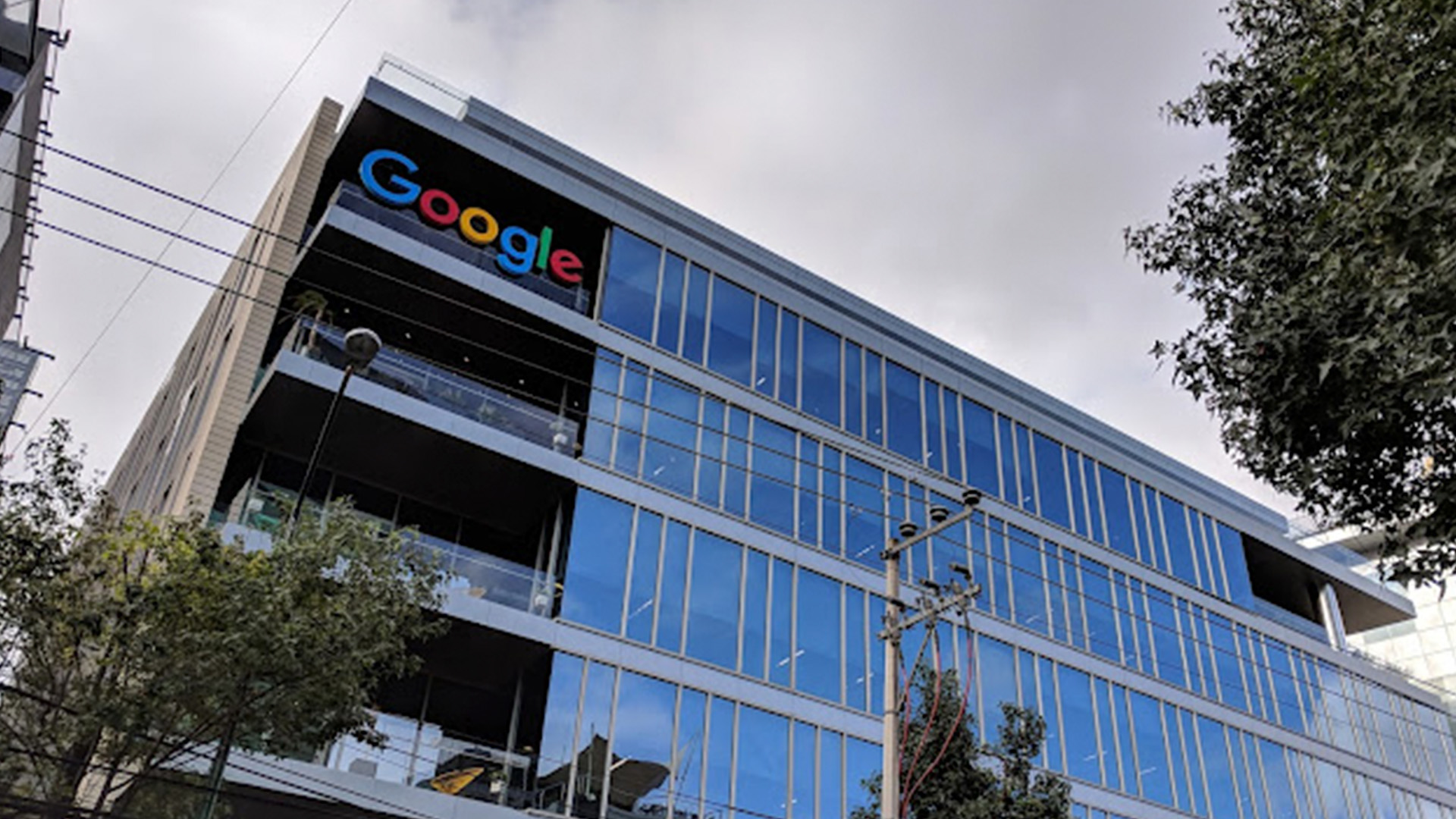
Mexican President Claudia Sheinbaum expressed her disapproval on Thursday over Google’s decision to change the name of the Gulf of Mexico on its Google Maps platform. This move followed U.S. President Donald Trump’s order to rename the body of water to the “Gulf of America.”

In a letter addressed to Google, Sheinbaum’s government argued that the United States cannot unilaterally rename a body of water that it shares with both Mexico and Cuba. The change would apply only to U.S. users of Google Maps once it is officially updated in the U.S. Geographic Names System. For users in Mexico, the name “Gulf of Mexico” will remain, while internationally, both names will be shown.

The conflict between Sheinbaum and Trump over the name change has escalated, with Sheinbaum previously jesting that, if countries were to start renaming geographical locations, North America should be renamed “Mexican America,” referencing a 1607 map of the region.

Mexico’s position is based on the United Nations Convention on the Law of the Sea, which asserts that a country’s sovereignty only extends 12 nautical miles (about 22 kilometers) from its coastline. As a result, Sheinbaum emphasized that the U.S. could only change the name of the Gulf within its own 12 nautical miles, not beyond that.

In her morning press conference, Sheinbaum reiterated that Mexico had requested Google to feature the term “Mexican America” when searched. She called for Google to prominently display this on its platform as part of the broader conversation about territorial naming rights.

 

DeepSeek’s Chatbot Scores Low in NewsGuard Audit, Trails Western Rivals

DeepSeek, a Chinese AI startup, saw its chatbot underperform in a recent NewsGuard audit, achieving just 17% accuracy in delivering accurate news and information. The audit compared DeepSeek’s chatbot with Western AI models, including OpenAI’s ChatGPT and Google’s Gemini, ranking it tenth out of eleven. DeepSeek’s chatbot was found to repeat false claims 30% of the time and provide vague or unhelpful answers 53% of the time in response to news-related queries, leading to an overall fail rate of 83%. In contrast, Western competitors had an average fail rate of 62%.

This performance raises questions about the quality of DeepSeek’s AI technology, which the company has touted as being on par with or superior to OpenAI’s models, at a fraction of the cost. Despite its low accuracy score, DeepSeek’s chatbot quickly became the most downloaded app on Apple’s App Store, igniting concerns about the United States’ dominance in AI and contributing to a market downturn that resulted in a $1 trillion loss in U.S. tech stocks.

NewsGuard used 300 identical prompts to assess DeepSeek and its Western counterparts, including 30 based on false claims circulating online. The topics of these prompts included incidents like the killing of UnitedHealthcare executive Brian Thompson and the downing of Azerbaijan Airlines flight 8243. DeepSeek’s chatbot also reiterated the Chinese government’s stance on certain issues, even when those topics were unrelated to China, such as in the case of the Azerbaijan Airlines crash.

Despite its poor accuracy, some analysts suggest the significance of DeepSeek’s breakthrough lies in its affordability, with D.A. Davidson’s Gil Luria pointing out that it can answer questions at 1/30th the cost of comparable models. However, as with other AI models, DeepSeek was found to be particularly susceptible to repeating false claims, especially when used to create or spread misinformation.


Mexico to Address Google’s Gulf of Mexico Name Change

Key Points:

  • Mexico’s President Claudia Sheinbaum announced that the government will send a letter to Google in response to a name change in Google Maps for users in the United States.
  • Google confirmed that, in line with its policy for differing official names across countries, U.S. users would now see the Gulf of America instead of the Gulf of Mexico.
  • The U.S. government officially rebranded the Gulf of Mexico as the Gulf of America on Friday, prompting this diplomatic move by Mexico.

Government’s Response and Plans:

  • Mexico intends to address the name change through official correspondence to Google regarding the implications of altering the geographical name.
  • This move signals ongoing tensions around national sovereignty and the proper recognition of international geographical features.