Yazılar

Albania Appoints AI Bot “Diella” as Minister to Oversee Public Procurement

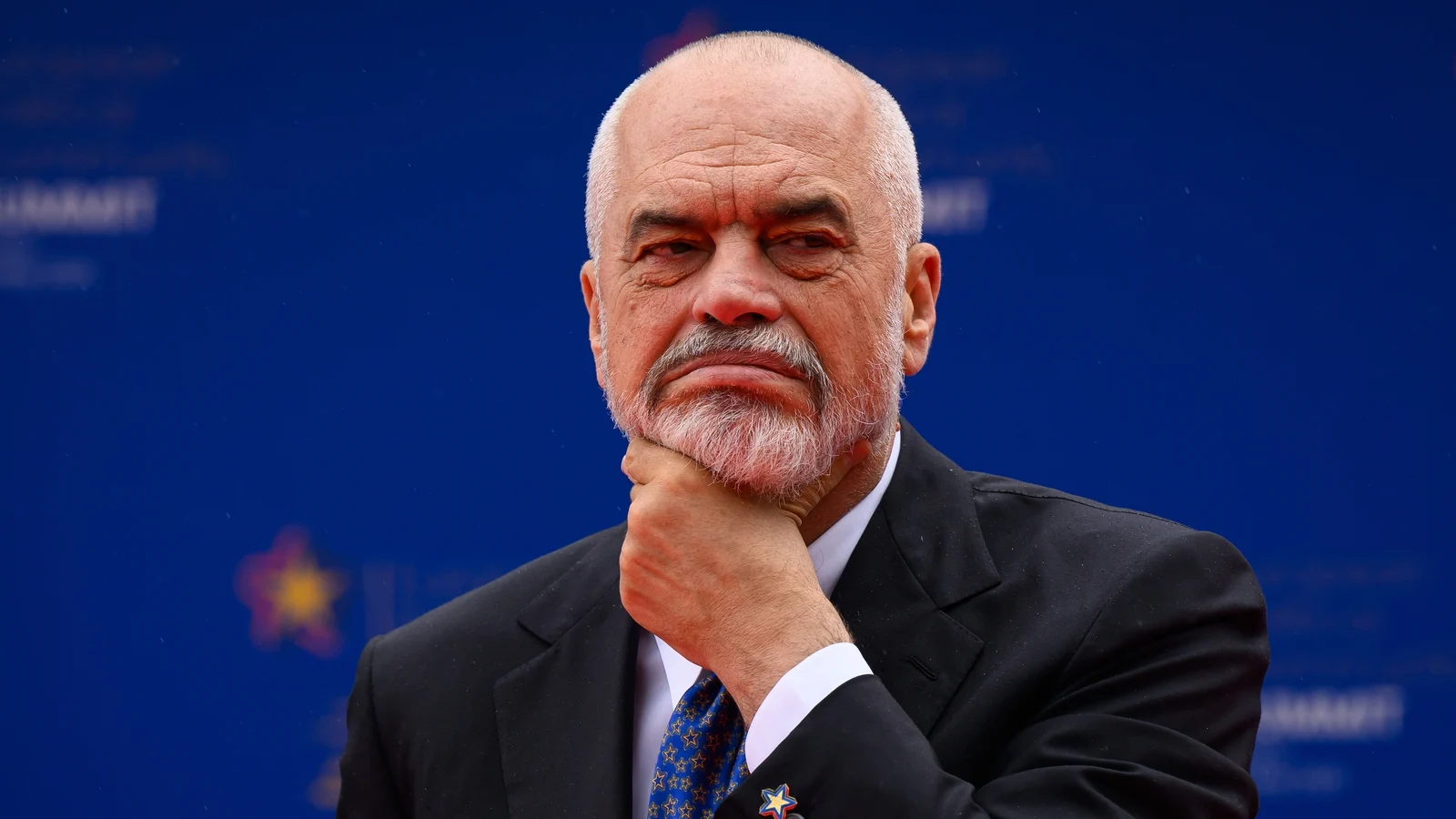
Albania has broken political ground by appointing an AI-generated bot named Diella as its new minister of public procurement, tasked with awarding and managing government tenders.

Prime Minister Edi Rama, beginning his fourth term, introduced Diella on Thursday, describing her as the first cabinet member to exist only virtually. “Diella will make Albania a country where public tenders are 100% free of corruption,” he said.

Public procurement has long been one of Albania’s most corruption-prone areas, tied to scandals involving money laundering by organized crime networks. Experts say graft within state contracts has also slowed Albania’s EU accession ambitions, which Rama hopes to achieve by 2030.

Who is Diella?

  • The name means “sun” in Albanian.

  • She debuted earlier this year as a virtual assistant on the e-Albania platform, helping citizens and businesses access official documents.

  • Diella appears dressed in traditional Albanian attire, provides support via voice commands, and can issue documents with electronic stamps, reducing bureaucratic bottlenecks.

Skepticism and Risks

While Rama hailed Diella’s incorruptibility, critics have raised questions about:

  • The extent of human oversight, which the government has not clarified.

  • The potential for AI manipulation or hacking, which could undermine the anti-corruption mission.

  • Public skepticism — one social media user quipped, “Even Diella will be corrupted in Albania.”

Political Context

The new parliament, elected in May, is set to convene on Friday, though it remains uncertain if Rama’s government lineup will be formally approved immediately.

If implemented effectively, Diella could mark a world-first experiment in AI-led governance. But whether an algorithm can untangle entrenched corruption in Albania remains an open question.

AustralianSuper Sells Stake in WiseTech Global Over Leadership Transition Concerns

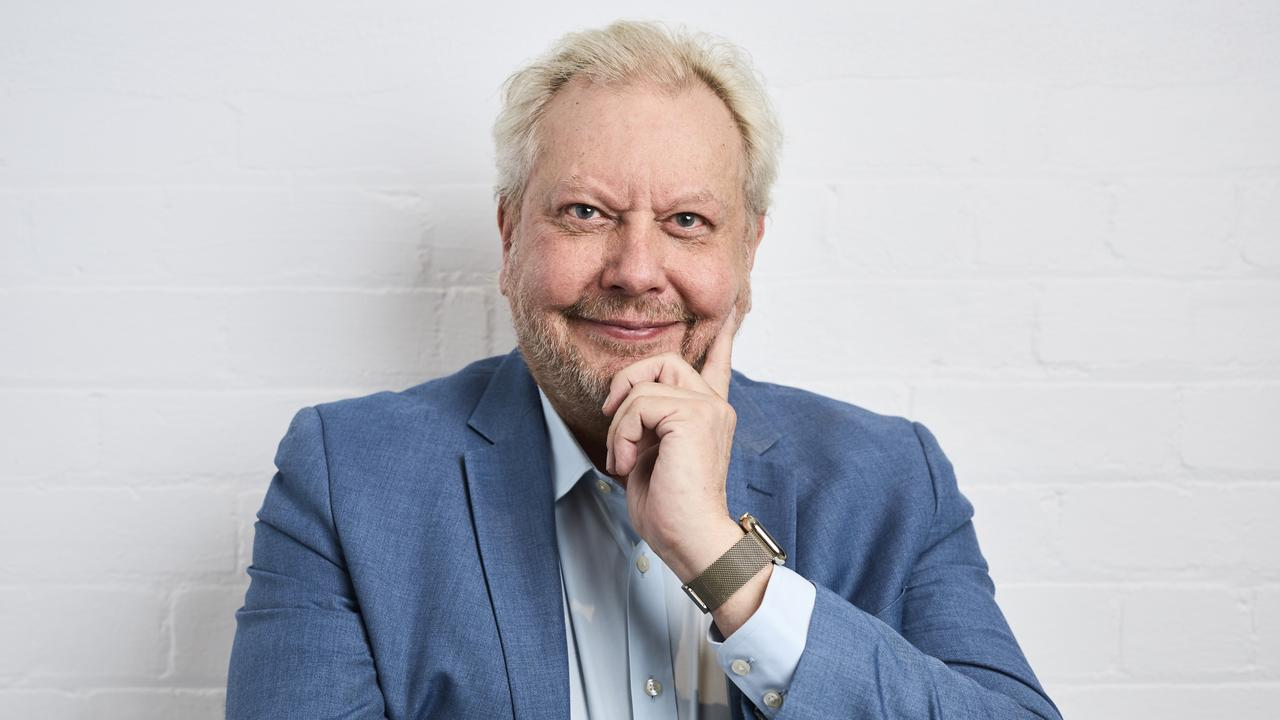
AustralianSuper, Australia’s largest pension fund, has exited its position in logistics software giant WiseTech Global (WTC.AX), citing dissatisfaction with the company’s handling of founder Richard White’s leadership transition. The pension fund sold approximately A$580 million ($366.2 million) worth of shares, closing its 1.9% stake in the company over the past few weeks.

Leadership Transition Raises Concerns

The decision comes after White, the company’s largest shareholder, stepped down as CEO in October 2024 following media reports of allegations related to his personal life, including payments to a past sexual partner. In his absence, Andrew Cartledge, the firm’s finance chief, was named interim CEO.

In February, White made a surprise return to the company’s leadership, assuming the role of executive chair. However, the transition was further complicated in March when White admitted to incomplete disclosure regarding his personal relationships to the board. A review revealed that his statements had been inaccurate, incomplete, and misleading.

AustralianSuper’s Statement

AustralianSuper expressed dissatisfaction with how WiseTech handled the transition, particularly the lack of a clear and sensible plan that balanced governance with managing the founder’s role over time. The pension fund emphasized that it required more assurance regarding the transition’s governance, which led to its decision to sell the stake. While the fund has exited for now, it stated that it may reconsider its position should circumstances improve.

WiseTech Global’s Response

WiseTech Global did not immediately respond to a request for comment regarding AustralianSuper’s decision.

Berkshire Shareholder Proposes AI Oversight Committee Amid Growing Concerns

A shareholder of Berkshire Hathaway, the multinational conglomerate led by Warren Buffett, is urging the company to establish a committee of independent directors to oversee artificial intelligence (AI) risks. Tulipshare, an activist investment group based in London, submitted the proposal ahead of Berkshire’s annual meeting, scheduled for May 3. The resolution calls for the formation of a dedicated committee to monitor AI-related issues across the diverse businesses in Berkshire’s portfolio.

The proposal highlights the potential risks associated with AI, such as data breaches, privacy violations, business disruptions, and human rights concerns. Tulipshare argues that due to Berkshire’s vast influence across multiple industries, the company is in a unique position to lead in AI governance and ensure responsible use of the technology.

Berkshire’s spokesperson, Debbie Bosanek, confirmed that the proposal will be included in the company’s proxy statement. Warren Buffett has previously acknowledged AI’s significant potential, both for positive impact and harm. In a 2023 meeting, Buffett expressed unease about AI-generated content when an image and message surfaced that appeared to come from him, despite being fabricated.

However, Berkshire’s governance structure has traditionally been resistant to shareholder proposals calling for independent oversight. Buffett holds significant voting power—controlling over 30% of Berkshire’s voting shares—which makes it challenging for shareholder resolutions to succeed without his endorsement. Last year, a similar proposal to create an independent oversight committee for safety at Berkshire’s BNSF railroad received minimal support from shareholders.

Tulipshare argues that an AI oversight committee would align with Berkshire’s decentralized business model by providing unified oversight without disrupting the day-to-day operations of its subsidiaries. Given Buffett’s personal concerns about AI, particularly deepfake technology, the activist group suggests the proposal might gain traction.

Berkshire Hathaway owns a wide range of companies, including Geico, Brooks, See’s Candies, and Berkshire Hathaway Energy, in addition to its investments in major tech firms like Apple and Amazon. Despite Buffett’s long-standing leadership since 1965, the proposal signals growing shareholder interest in responsible AI governance within large corporations.