Yazılar

Intel Debuts Arc Pro B-Series GPUs With Built-In XMX AI Cores and Enhanced Ray Tracing Capabilities

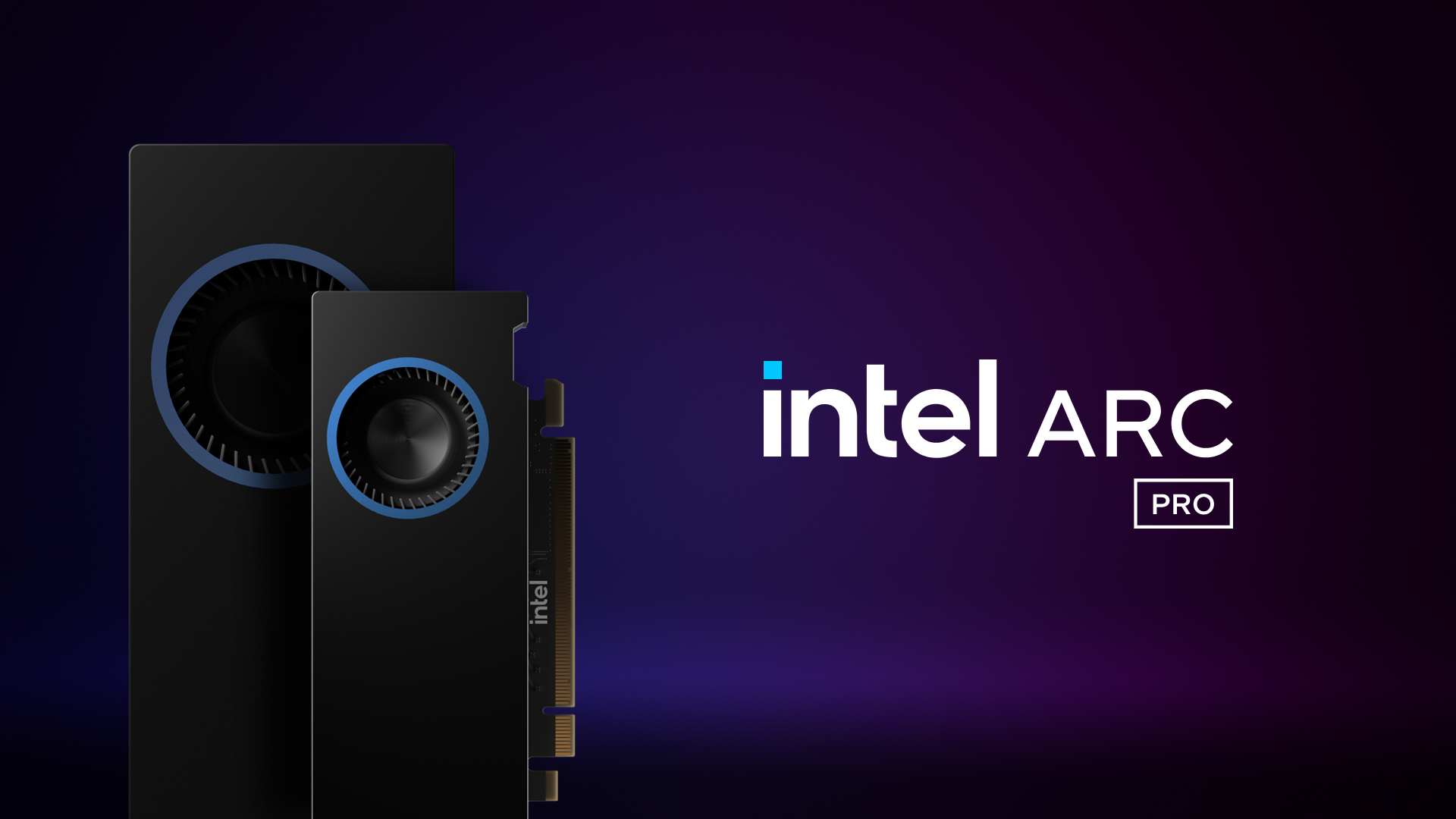
Intel has officially launched its Arc Pro B-series graphics processing units (GPUs) at Computex 2025, targeting the growing demand for high-performance GPUs in professional workstations and AI inference tasks. Designed with larger memory capacities and expanded software compatibility, these GPUs aim to serve developers, creators, and engineers who require robust computational and graphical power. The lineup includes two models: the Intel Arc Pro B50 and Arc Pro B60. Both GPUs are built on Intel’s latest Xe2 architecture and come equipped with advanced ray tracing units and Intel’s Xe Matrix Extensions (XMX) AI cores.

The Arc Pro B60 GPU will hit the market first, with availability beginning in June 2025 through Intel’s add-in board partners such as ASRock, Gunnir, Maxsun, and Sparkle. Intel has yet to announce the pricing for this model. The Arc Pro B50, on the other hand, will be available starting July via Intel-authorized resellers at a price of $299 (roughly Rs. 25,500). These GPUs come in a variety of partner board form factors, allowing flexibility in deployment across different workstation builds.

Specifically tailored for professional-grade applications, the Arc Pro B-series GPUs are built to handle demanding workloads such as 3D rendering, real-time ray tracing, and AI model inference. Intel claims that these GPUs offer up to 3.4 times better graphical fidelity and up to 3.5 times higher inference performance in AI models like Stable Diffusion when compared to Nvidia’s RTX A1000 8GB. These performance gains highlight Intel’s ambition to compete in the enterprise GPU market, particularly for creators and AI developers.

In addition to the hardware upgrades, Intel has also emphasized its commitment to improving the software stack that supports the Arc Pro B-series. With optimized drivers and expanded compatibility for professional applications, users can expect smoother performance across workflows in CAD, media production, and AI training. The launch of the Arc Pro B-series marks a strategic move by Intel to not only bolster its presence in the GPU space but also cater directly to industries increasingly reliant on AI-driven computation and high-end graphics.


Gigabyte Unveils GeForce RTX 5060 Series GPUs Featuring Nvidia Blackwell RTX Architecture and DLSS 4

Gigabyte has officially launched its GeForce RTX 5060 series graphics processing units (GPUs), marking a significant step in the mid-range GPU market. These new models, the GeForce RTX 5060 Ti and RTX 5060, are designed to provide gamers with an exceptional experience at 2K and 1080p resolutions. Powered by Nvidia’s latest Blackwell RTX architecture, these GPUs come equipped with cutting-edge features such as DLSS 4 Multi Frame Generation, aimed at improving performance and delivering smoother frame rates. Alongside these upgrades, Gigabyte has also focused on optimizing the cooling system to ensure a balanced combination of high performance and efficient power consumption, catering to a wide range of users with various needs.

In terms of availability, the GeForce RTX 5060 Ti models have already been made available for purchase, offered in both 8GB and 16GB memory configurations. However, the GeForce RTX 5060 GPU will officially go on sale in May. Gigabyte’s diverse range of models ensures that there’s something for everyone, from casual gamers to enthusiasts looking for top-tier performance. The company offers various versions of the GPUs, including Aorus Elite, Gaming, Aero, Eagle, Eagle Ice, Windforce, and even low-profile models to suit different user preferences and system setups.

The specifications for these GPUs vary across the different models, providing options for both stock-clocked and factory-overclocked configurations. For instance, the Aorus GeForce RTX 5060 Ti Elite 16G model stands out with its 32GB of GDDR7 memory and an impressive core clock speed of 2,722 MHz, making it the flagship model in the lineup. In contrast, the GeForce RTX 5060 Ti Gaming model features a core clock speed of 2,647 MHz and a memory clock of 28 Gbps. At the lower end, the GeForce RTX 5060 Ti Windforce is positioned as the entry-level option with a 2,572 MHz core clock speed. On the standard RTX 5060 side, the Aorus GeForce RTX 5060 Elite model comes with 8GB of GDDR7 memory and 3,847 CUDA cores, providing excellent performance for most gaming and creative workloads.

All of the GPUs in the GeForce RTX 5060 series are built on Nvidia’s Blackwell architecture, which incorporates the latest fifth-generation Tensor cores and fourth-generation ray tracing cores. This allows the GPUs to offer support for full ray tracing, with advanced neural rendering capabilities. DLSS 4 Multi Frame Generation is a standout feature of these GPUs, offering enhanced performance and smoother gameplay, even in demanding titles. Whether you’re a gamer looking for high frame rates or a content creator who needs powerful GPU performance, the GeForce RTX 5060 series is designed to meet the needs of a wide audience, bringing next-generation technology to mid-range users at an accessible price point.

Malaysia to Pay $250 Million for Arm Holdings Chip Design

Malaysia has announced a $250 million agreement with Arm Holdings, spanning 10 years, to acquire chip design blueprints for local manufacturers. The deal aligns with the country’s ambition to develop its own graphics processing unit (GPU) chips within the next five to ten years, amid rising demand for artificial intelligence (AI) and data centers.

Prime Minister Anwar Ibrahim stated that the partnership would enable Malaysia to design, manufacture, and distribute AI chips globally. As part of the deal, Arm will establish its first Southeast Asian office in Kuala Lumpur, serving as a hub for regional expansion, including Australia and New Zealand.

Arm CEO Rene Haas emphasized Malaysia’s strong foundation in the semiconductor industry, citing its expertise in advanced packaging, assembly, and manufacturing. Economy Minister Rafizi Ramli revealed that the agreement covers seven high-end chip designs and includes a training program for 10,000 engineers.

The initiative aims to strengthen Malaysia’s semiconductor ecosystem by fostering 10 local chip companies, each projected to generate annual revenues between $1.5 billion and $2 billion. The government plans to develop a complete supply chain for AI servers, autonomous vehicles, IoT, and robotics, prioritizing local firms for key production roles.

Since 2023, global tech giants such as Microsoft, Nvidia, Google, and ByteDance have invested billions in Malaysia’s digital infrastructure, particularly in cloud services and data centers. The country is also constructing Southeast Asia’s largest integrated-circuit design park, offering tax breaks and subsidies to attract international tech players, with Arm expected to play a central role.