Yazılar

China and Indonesia Ink $10 Billion Deals Focusing on Green Energy and Technology

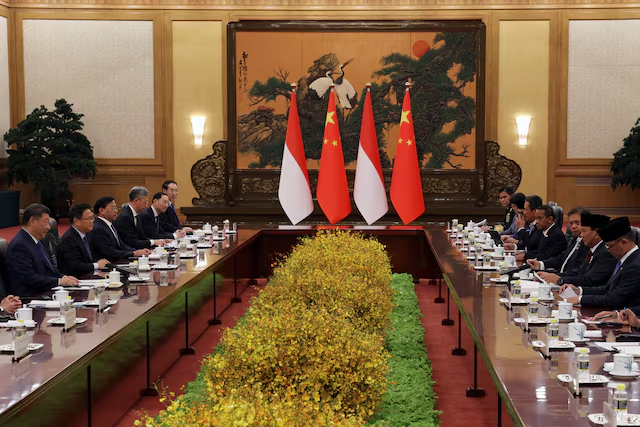
China and Indonesia signed agreements worth $10 billion during the Indonesia-China Business Forum held in Beijing on Sunday, marking a significant step in their growing bilateral relationship. The deals cover a wide range of sectors, including green energy, technology, food, and biotechnology. This event followed a key meeting between Chinese President Xi Jinping and Indonesian President Prabowo Subianto, who is visiting China for the first time since assuming office in October. Notably, Prabowo’s choice of China as his first official visit as president emphasizes Indonesia’s commitment to strengthening its strategic ties with Beijing.

In a joint statement released after the leaders’ discussions, China and Indonesia outlined plans to enhance cooperation in emerging sectors such as new energy vehicles, lithium batteries, photovoltaics, and the digital economy. They also agreed to work together to ensure the security of global mineral supply chains and support the global energy transition. These agreements align with both countries’ broader efforts to address climate change and secure sustainable growth.

One of the key deals signed during the forum was between Chinese battery materials producer GEM and PT Vale Indonesia. The agreement, witnessed by President Prabowo, involves the construction of a high-pressure acid leaching plant in Central Sulawesi, a crucial step in securing nickel resources. Indonesia, as the world’s largest nickel producer, plays a pivotal role in the global electric vehicle supply chain, with Chinese companies such as Tsingshan Holding Group and Zhejiang Huayou Cobalt dominating the sector.

In the technology space, Indonesian tech giant GoTo Gojek Tokopedia formed partnerships with China’s Tencent and Alibaba to advance cloud infrastructure and foster digital talent development in Indonesia. These collaborations are expected to boost Indonesia’s digital economy and increase its technological capabilities.

The two countries also agreed on several measures to improve connectivity, including the introduction of multi-entry long-term visas and the expansion of direct flights between the two nations. Additionally, the agreements included cooperation in the housing sector and initiatives to increase exports of fresh coconuts from Indonesia to China.

These developments reflect the deepening ties between China and Indonesia, positioning them as key partners in the global push for green energy solutions and digital innovation.
 

Uzbekistan Turns to Electric Vehicles in Its Push for Green Energy Transition

Uzbekistan, Central Asia’s most populous country, is taking bold steps to reduce its carbon emissions and shift towards a greener economy, with electric vehicles (EVs) playing a pivotal role in this transition. Historically dependent on fossil fuels for electricity, Uzbekistan has been ranked as one of the world’s most carbon-intensive economies by the World Bank. To combat this, the nation has introduced significant measures to encourage the adoption of EVs as part of a broader green growth strategy.

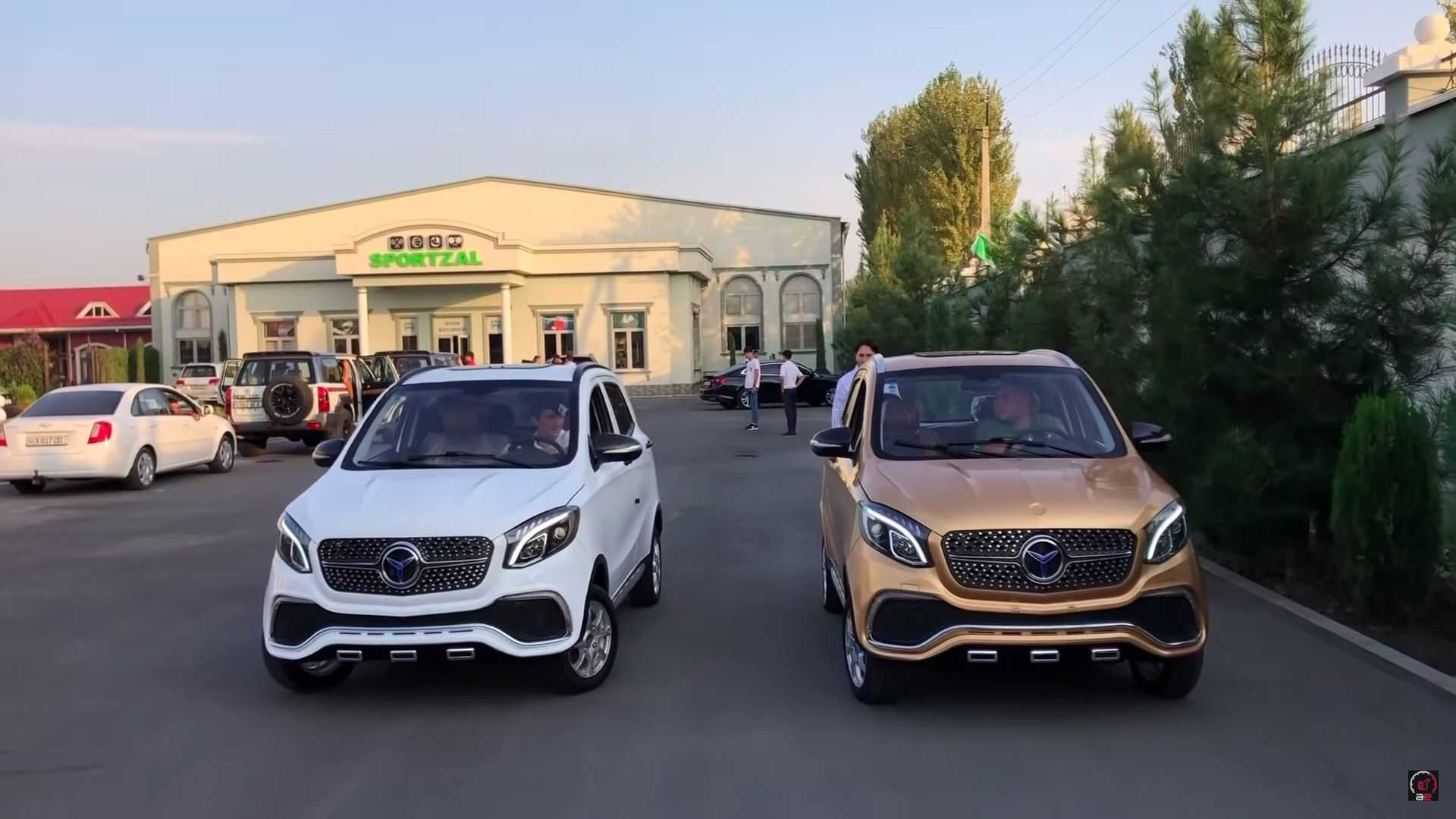
In a bid to make electric and hybrid cars more affordable, Uzbekistan eliminated excise and customs duties on these vehicles five years ago. This move slashed prices by as much as 50%, according to estimates, leading to a surge in EV sales. Over the past three years, sales of electric cars have grown tenfold, reflecting the country’s increasing commitment to green energy.

For consumers like Timur Chutbaev, a project manager based in Tashkent, the lower prices were a strong incentive to invest in an electric car. Chutbaev explained that powering his EV is far cheaper than using diesel or gasoline vehicles, given Uzbekistan’s government-subsidized electricity rates. Charging his car at home costs him just $5 for 500 kilometers (310 miles) of driving, making EV ownership both economically and environmentally attractive.

Although EVs currently account for a small share of the market, their numbers are rising. In 2022, 25,000 electric vehicles were sold out of a total of 1.7 million car sales. Chinese EV giant BYD, which dominates Uzbekistan’s imports, has further entrenched its presence by opening a plant in the Jizzakh region. With an annual capacity of 50,000 plug-in hybrids, the facility marks BYD’s first venture outside of China and is expected to serve the broader Central Asian market.

Picture background

However, the rise of EVs in Uzbekistan would not have been possible without investments in infrastructure. Alexander Abdullaev, CEO of local EV dealership Megawatt Motors, recalls the initial challenges of selling electric vehicles without an adequate network of charging stations. To promote EV adoption, his company built several charging points across Tashkent and surrounding regions and offered free charging services for two years. Today, hundreds of charging stations operate throughout the country, helping EVs become more accessible.

Despite the progress, Uzbekistan faces challenges in meeting its ambitious climate targets. By 2030, the country aims to reduce its emissions per unit of GDP by one-third from 2010 levels. While increasing the number of EVs on the road is a crucial step, it will not be enough on its own. The electricity grid that powers these vehicles is still primarily fueled by natural gas, a fossil fuel. In 2021, over 80% of the nation’s electricity came from gas, which significantly contributes to global warming.

Uzbekistan is actively investing in renewable energy to address this issue. Over the past five years, the country has boosted its renewable energy mix from 12% to 20%, with growing interest in hydropower and solar technology. David Knight, the World Bank’s lead country economist for Central Asia, emphasized that improving energy efficiency and reducing emissions are critical for Uzbekistan as its economy rapidly expands.

For now, demand for EVs remains strong, and Megawatt Motors is expanding its operations by training salespeople to cater to this burgeoning market. Abdullaev believes that Uzbekistan’s established automobile industry, which began in 1995, provides a solid foundation for producing homegrown electric vehicles in the near future. With the country’s green energy transition in full swing, Abdullaev is optimistic: “Anything is possible.”