

The Israeli military has announced the recovery of six hostages’ bodies from the Gaza Strip. The Israel Defense Forces (IDF) confirmed that the bodies of Yagev Buchshtab, Alexander Dancyg, Avraham Munder, Yoram Metzger, Chaim Peri, and British-Israeli Nadav Popplewell were retrieved from Khan Younis on Monday. Five of these deaths had been previously confirmed, while Avraham Munder’s survival had been uncertain.
The recovery operation, conducted by the IDF in coordination with the security agency Shin Bet, followed the hostages’ abduction from Kibbutz Nir Oz and Kibbutz Nirim during Hamas’s attacks on southern Israel on October 7. The Hostage Families Forum has expressed that this development provides crucial closure for the families but emphasized that the return of remaining hostages will require a negotiated agreement.
Israel had previously confirmed the deaths of Popplewell, Peri, and Metzger in June, and Buchshtab and Dancyg in July. The IDF’s investigations suggested that some of these men may have been killed by Israeli fire during operations.
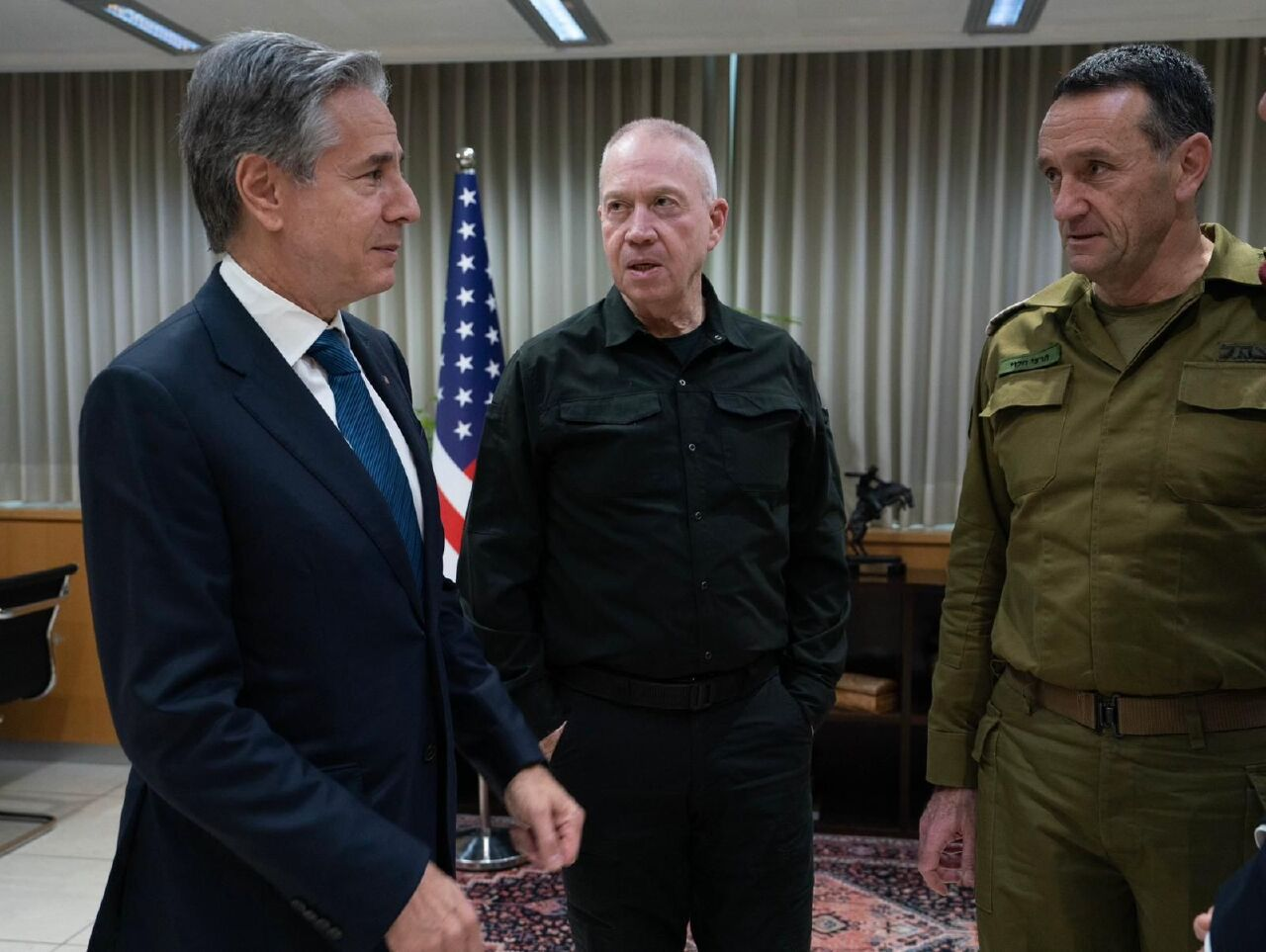
Israeli Defense Minister Yoav Gallant described the body recovery as a result of a “complex operation” and reaffirmed Israel’s commitment to dismantling Hamas. Israeli President Isaac Herzog extended condolences to the families and stressed the ongoing effort to bring all hostages back.
The Hostage Families Forum has urged the Israeli government to expedite the current negotiation process, as discussions continue to secure a ceasefire and hostage release deal. US Secretary of State Antony Blinken is actively involved in these negotiations and recently met with Israeli Prime Minister Benjamin Netanyahu, who viewed their discussion as positive.
In the broader context of the conflict, the IDF has intensified its operations in Gaza, with recent air strikes resulting in additional casualties. The escalation follows an unprecedented attack by Hamas gunmen on October 7, which resulted in significant Israeli casualties and hostage-taking. The ongoing conflict has led to severe losses on both sides, with significant casualties reported in Gaza.
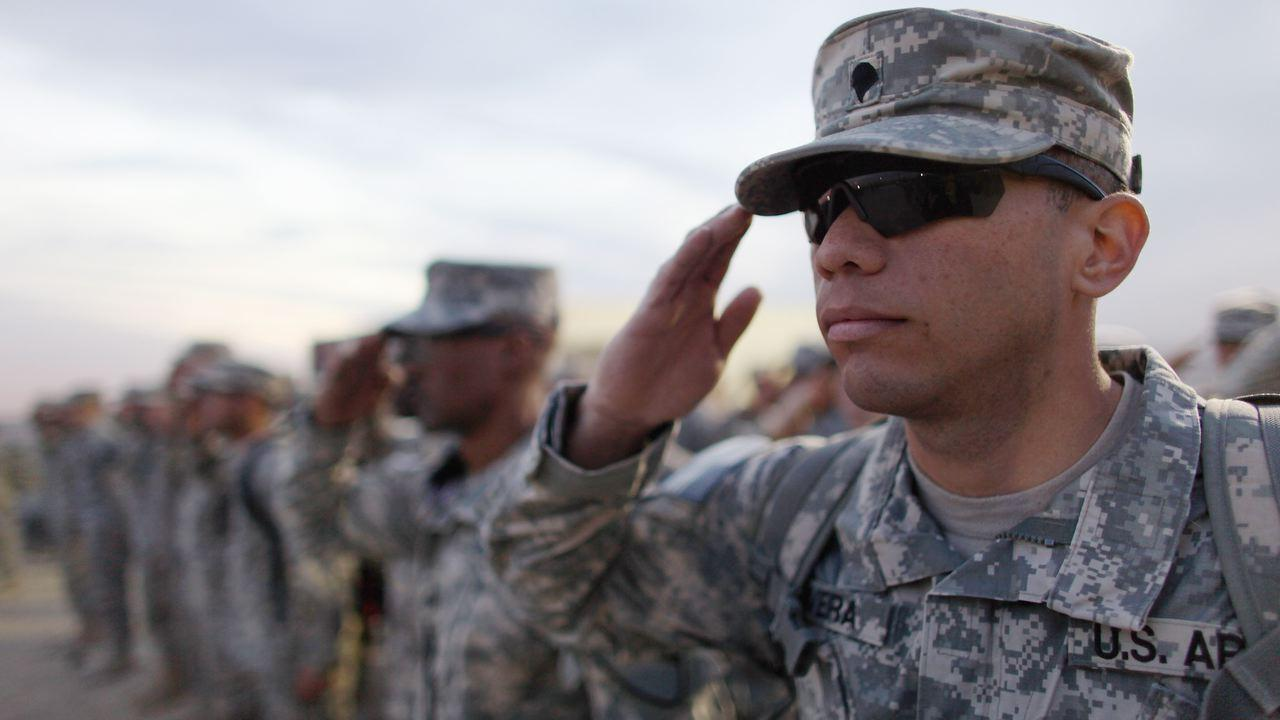
The United States is escalating its military presence in the Middle East in response to growing concerns about potential Iranian retaliation against Israel. The Pentagon announced that additional troops and military hardware, including a guided-missile submarine and a carrier strike group equipped with F-35C fighter jets, are being deployed to the region. This move is part of a broader effort to reinforce U.S. military capabilities and provide robust support to Israel amid escalating regional tensions.
In a statement released by Pentagon Press Secretary Maj. Gen. Pat Ryder, U.S. Defense Secretary Lloyd Austin emphasized the United States’ unwavering commitment to “take every possible step to defend Israel.” The announcement followed a conversation between Austin and Israel’s Defense Minister Yoav Gallant, underscoring the urgency of the situation.
This development comes in the wake of the assassination of Ismail Haniyeh, the former political leader of Hamas, in Tehran on July 31. Iran, which has long supported Hamas, has accused Israel of carrying out the attack. While Israel has not officially commented on the incident, the killing has significantly heightened tensions between the two nations. Although Tehran has yet to retaliate militarily, the possibility of a severe response looms, keeping the entire region on edge.
The Biden administration’s support for Israel has sparked criticism domestically, with some urging the U.S. to leverage its influence to enforce a cease-fire rather than continue supplying arms to Israel. President Biden has expressed concerns about the Israeli military offensive, describing it as “over the top” and highlighting the high civilian death toll. This issue has become a significant factor in U.S. politics, influencing voter sentiment as the 2024 presidential election approaches.
The situation remains precarious, with fears that any further escalation could lead to an all-out war involving Iran, Israel, and their respective allies and proxies, including Hezbollah. While both Israel and Iran have engaged in limited exchanges of missile strikes in the past, these actions were largely calibrated to avoid extensive damage and casualties. However, analysts warn that future retaliations could be far more devastating.
The ongoing conflict has already resulted in significant casualties and destruction. The Hamas-led attack on Israel on October 7 claimed the lives of approximately 1,200 people and resulted in over 250 hostages, of whom 116 have been freed. Israel’s subsequent military response in Gaza has been even more devastating, with local health authorities reporting over 39,000 deaths and the destruction of half the buildings in the Gaza Strip, according to the U.N.
The assassination of Haniyeh, who was involved in cease-fire negotiations, raises doubts about the prospects for a diplomatic resolution to the conflict. Yahya Sinwar, the new leader of Hamas with close ties to Iran, is perceived as more extreme and less inclined to pursue a cease-fire, further complicating efforts to de-escalate the situation.