Yazılar

U.S. FDA to Roll Out AI Tools Across All Centers Following Successful Pilot

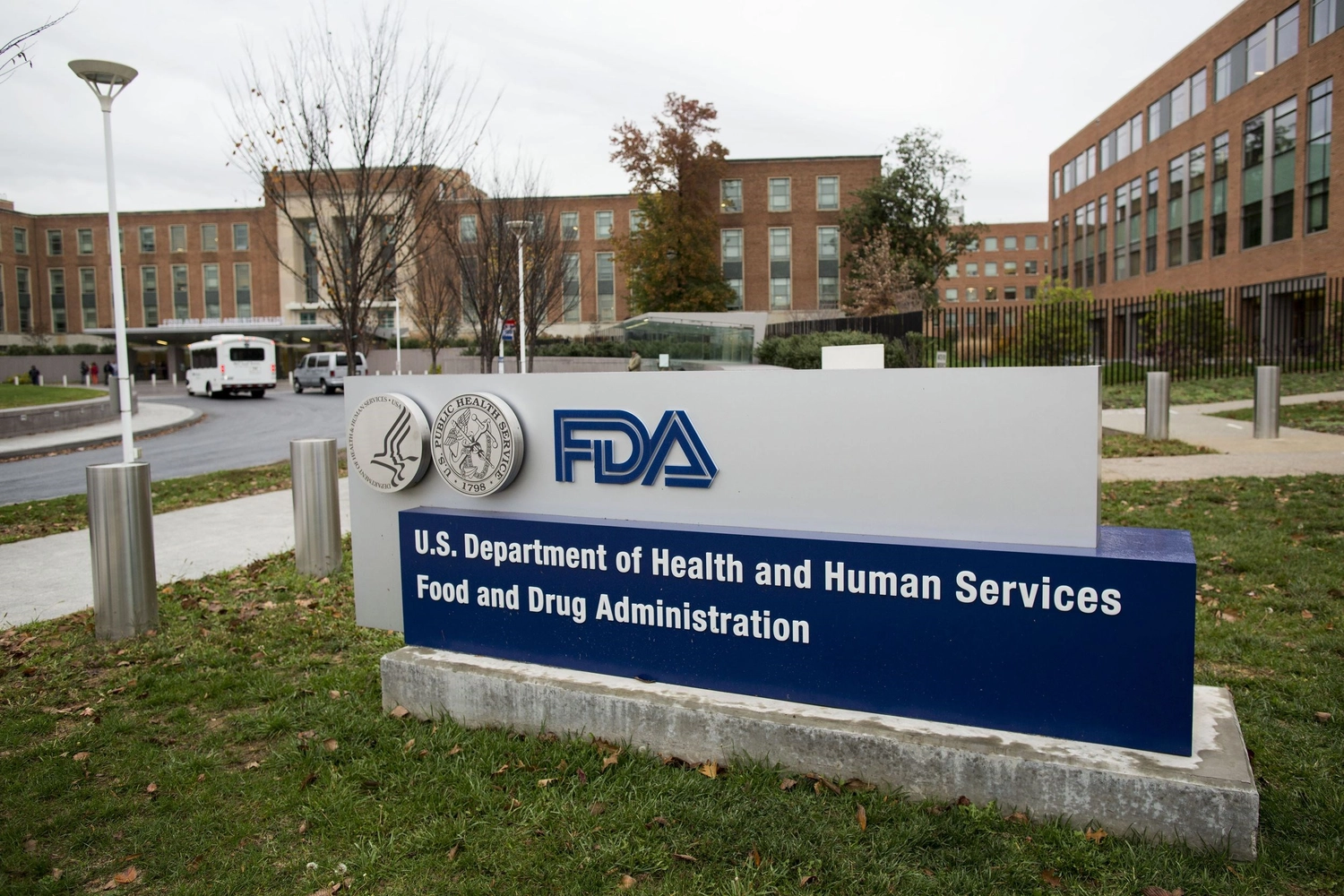
The U.S. Food and Drug Administration (FDA) announced it will immediately begin deploying artificial intelligence tools internally across all of its centers, with full integration expected by June 30. The move follows a successful generative AI pilot aimed at supporting scientific reviewers in accelerating the drug review process.

WHY IT MATTERS:
The FDA typically has 6 to 10 months to evaluate a drug approval application. The newly tested generative AI tools are designed to ease the burden on scientists by automating repetitive and time-consuming tasks, thereby streamlining the overall review process and potentially speeding up access to life-saving treatments.

In a statement, the agency emphasized that the focus of future AI enhancements would be on usability, better document integration, and center-specific output customization — all while upholding strict data security and FDA compliance standards.

KEY QUOTE:
Future enhancements will focus on improving usability, expanding document integration and tailoring outputs to center-specific needs, while maintaining strict information security and compliance with FDA policy,” the FDA said.

CONTEXT:
The announcement comes just a day after Wired reported that the FDA had been in discussions with OpenAI, the maker of ChatGPT, regarding potential AI collaborations. The report also mentioned that representatives from Elon Musk’s Department of Government Efficiency had attended multiple meetings with both the FDA and OpenAI in recent weeks.

WHAT’S NEXT:
The FDA plans to monitor the system’s performance closely, solicit feedback from its users, and refine the tools accordingly. The agency has committed to releasing more information about the AI implementation and its outcomes in June.

This marks one of the most significant government-level adoptions of generative AI to date and could signal a broader shift toward AI-assisted regulatory workflows in the healthcare and pharmaceutical sectors.

GE HealthCare Partners with Amazon Web Services to Develop Generative AI for Medical Data Analysis

GE HealthCare announced a strategic collaboration with Amazon Web Services (AWS) to develop generative artificial intelligence (AI) models and tools aimed at enhancing the analysis of complex medical data. This partnership targets the healthcare industry, which generates nearly a third of the world’s data, much of which remains underutilized due to its fragmented and inaccessible nature.

With 97% of hospital data going unused, according to a Deloitte report, GE HealthCare sees an opportunity to leverage generative AI to optimize data use across healthcare operations. The collaboration with AWS will focus on creating AI models that can streamline various medical processes, including screenings, diagnoses, decision support, and workflow management such as scheduling.

Dr. Taha Kass-Hout, GE HealthCare’s global chief science and technology officer, highlighted that this partnership will enable hospitals and clinicians to maximize the potential of their existing data. AWS’s advanced solutions, including Amazon Bedrock and Amazon SageMaker, will provide the technical infrastructure necessary for developing these AI models at scale.

Additionally, GE HealthCare plans to utilize AWS’s AI tools to boost internal productivity. One of the initial projects includes deploying Amazon Q Developer, an assistive tool that generates real-time code suggestions for software developers, thereby improving their efficiency.

While GE HealthCare already offers AI tools, this collaboration with AWS is expected to accelerate the development and deployment of new AI-driven medical applications. These innovations will initially be available to GE HealthCare employees and customers, with plans for broader accessibility in the future. The company maintains strict testing standards to ensure the reliability and safety of its AI applications.


FDA Approves Guardant Health’s Blood Test for Colon Cancer Screening

The Food and Drug Administration (FDA) has approved Guardant Health’s blood test, Shield, for colon cancer screening. While not intended to replace colonoscopies, Shield is generating enthusiasm among doctors for its potential to improve screening rates for the second-highest cause of cancer death in the U.S. Previously available at an out-of-pocket cost of $895, Shield’s FDA approval means Medicare and private insurance are likely to cover it, making it more accessible.

Dr. Arvind Dasari from MD Anderson Cancer Center welcomed the approval but noted that the impact on improving screening and reducing mortality remains to be seen. The American Cancer Society estimates over 53,000 deaths from colorectal cancer this year. Research in March showed Shield was 83% effective in detecting colorectal cancers by identifying DNA from cancerous tumors in the bloodstream, though it was less effective at detecting early-stage polyps.

Starting at age 45, Shield would need to be administered every three years. A positive result requires a follow-up colonoscopy to confirm the presence and stage of cancer, as noted by Robert Smith of the American Cancer Society. Shield is the second blood test for colon cancer, following the less accurate and less utilized Epi proColon approved in 2016.

Colorectal cancer rates have risen among those under 55 since the mid-1990s, while rates have declined among those over 60. Dr. William Grady of Fred Hutchinson Cancer Center emphasized that colorectal cancer is preventable with screening, and colonoscopy remains the most accurate method. However, screening rates are low, with fewer than 60% of eligible individuals undergoing recommended screenings. Dr. Sapna Syngal of Dana-Farber Cancer Center highlighted that increasing screening rates through tests like Shield could significantly impact cancer detection.

The March study led by Grady found that people in their 40s and 50s, often busy with work and family, are less likely to undergo screenings. The time-consuming nature and “ick” factor of colonoscopies deter many from the procedure. Electra Paskett of Ohio State University noted that a blood test would be more appealing for many people.

John Gormly, 77, avoided colonoscopies but opted for the Shield test, which led to the detection and successful surgical removal of stage 2 colon cancer. Gormly’s experience underscores the potential life-saving impact of accessible screening options like Shield.