Yazılar

Fossils of Armored Dinosaur With Bony Spikes Discovered, Capable of Withstanding Car Crash Impacts

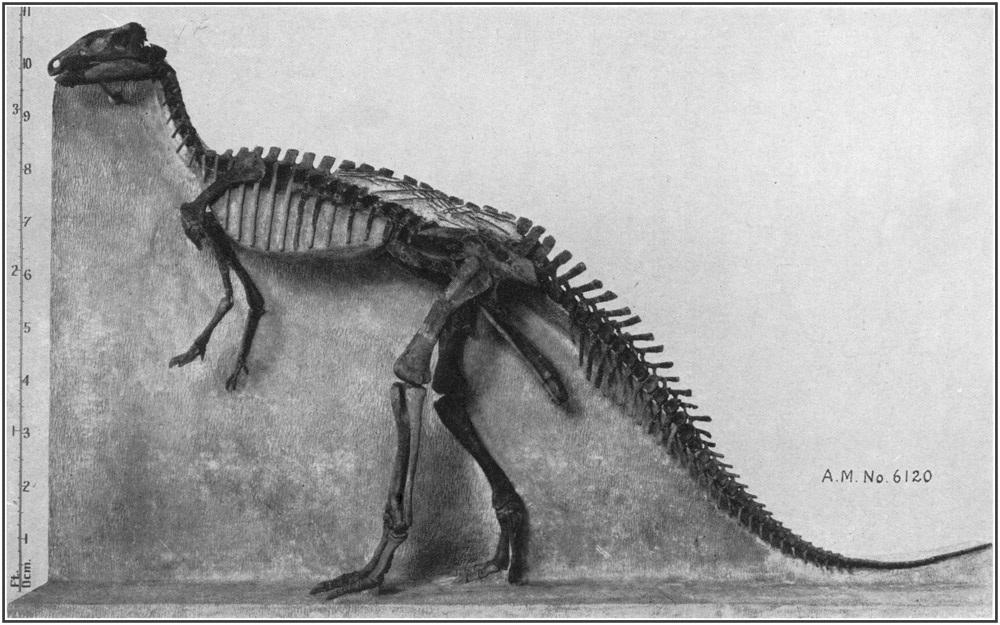
A remarkable fossil of a nodosaur, a plant-eating dinosaur, has been found to possess an armor so strong that it could endure the impact of a high-speed car crash. Discovered in Alberta, Canada, the fossil belongs to Borealopelta markmitchelli, a species that roamed the Earth approximately 110 million years ago during the Early Cretaceous period. This discovery is one of the best-preserved dinosaur fossils ever unearthed, offering scientists an unparalleled look at the defensive structures of this ancient creature.

New Insights into the Nodosaur’s Defense Mechanisms
Led by biomechanical paleontologist Dr. Michael Habib from UCLA, the research revealed fascinating details about the nodosaur’s protective features. The fossil’s bony armor was covered by a keratin sheath, which was found to be much thicker than previously assumed. In some areas, the keratin layer measured nearly 16 centimeters—significantly thicker than the keratin found on modern animals like cattle horns. This thick, robust coating, combined with the dinosaur’s bony spikes, provided a formidable defense against predators and likely helped it survive in a dangerous environment.

Unbelievable Strength of the Nodosaur’s Armor
According to the study, the nodosaur’s armor was capable of withstanding more than 125,000 joules of energy per square meter—an amount of force equivalent to that of a high-speed car collision. This discovery sheds light on the advanced defensive capabilities of the nodosaur, suggesting that its armor was not just for protection from predators but could also serve as a weapon or shield in combat between rival males of the same species. The armor’s ability to absorb such immense force highlights the evolutionary advantage that such a defense would have provided during its time.

Significance of the Discovery and Future Research
The fossil of Borealopelta markmitchelli offers rare insights into the complex evolutionary mechanisms that allowed dinosaurs to thrive in their environments. The study emphasizes the remarkable resilience and adaptability of these ancient creatures, which are only now being fully understood through modern scientific research. This discovery could have wider implications for paleontology, providing more information about how dinosaurs used their physical traits for survival and giving us a clearer understanding of life in the Cretaceous period. As new technologies and techniques emerge, more discoveries like this may continue to reshape our understanding of prehistoric life.
New 3D Scans Reveal Details of Shackleton’s Endurance Shipwreck Discovery

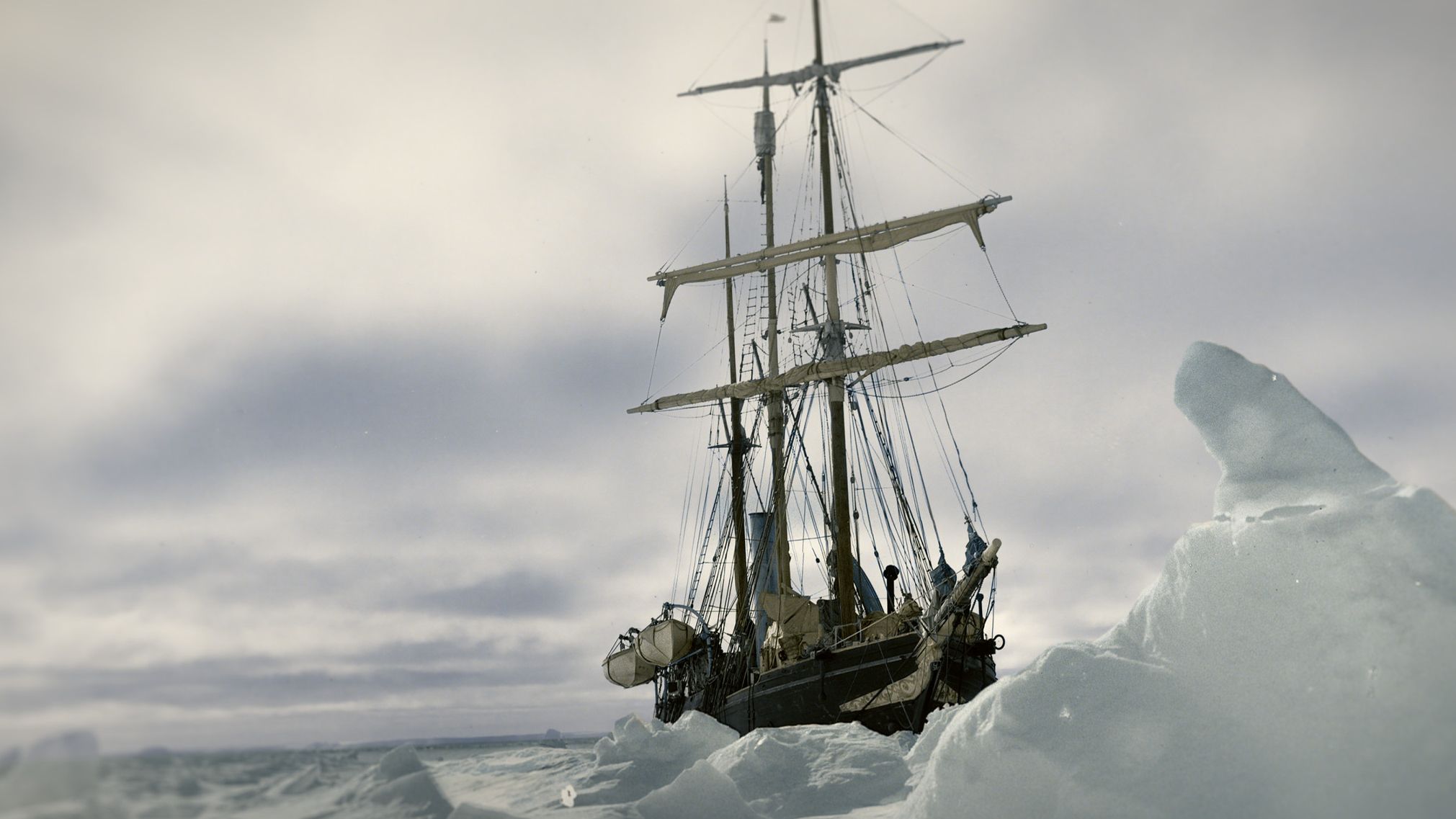
The story of Sir Ernest Shackleton’s ill-fated 1914 Antarctic expedition has captivated audiences for more than a century, and now, new technological advancements are offering a fresh perspective on the wreck of the Endurance. Discovered in 2022 beneath the icy waters of the Weddell Sea, the ship, which sank after being trapped by pack ice, has been documented with unprecedented clarity. Thanks to detailed 3D scans and underwater imaging, researchers have been able to uncover the shipwreck’s remarkable state of preservation, revealing striking details of the 144-foot vessel that lay hidden in the Antarctic depths for over a century.

The scans, conducted by the Falklands Maritime Heritage Trust, have provided a comprehensive look at the ship’s structure and its contents. These detailed images are shedding light on the final moments of the Endurance and its crew, capturing the ship in its almost pristine condition despite being submerged in the harsh conditions of the polar region. The scans are invaluable in helping researchers understand not only the fate of the ship but also the conditions faced by Shackleton’s team during their legendary survival story.

One of the most surprising discoveries is the remarkable preservation of artifacts on the ship’s upper deck. While some parts of the mast and railings have understandably decayed over time, much of the deck has remained intact. Items left by Shackleton’s crew, such as dishes, ropes, and even a single boot, are scattered across the ship, offering a poignant glimpse into the daily lives of the men who braved the Antarctic’s unforgiving climate. These objects add a human element to the historical narrative, connecting modern-day observers with the past.

Perhaps most striking of all is the survival of the linoleum flooring on the ship’s deck, still bearing the faded star pattern it had over a hundred years ago. The preservation of this simple yet enduring artifact is a testament to the remarkable conditions in which the Endurance rests. The images not only serve as a fascinating historical record but also deepen the mystery and allure of Shackleton’s expedition, as researchers continue to explore the wreck and uncover new insights into the life of one of history’s most iconic explorers.

Once Illegal, This Historic Japanese Alcohol Is Making a Comeback

A Taste of History: What is Doburoku?

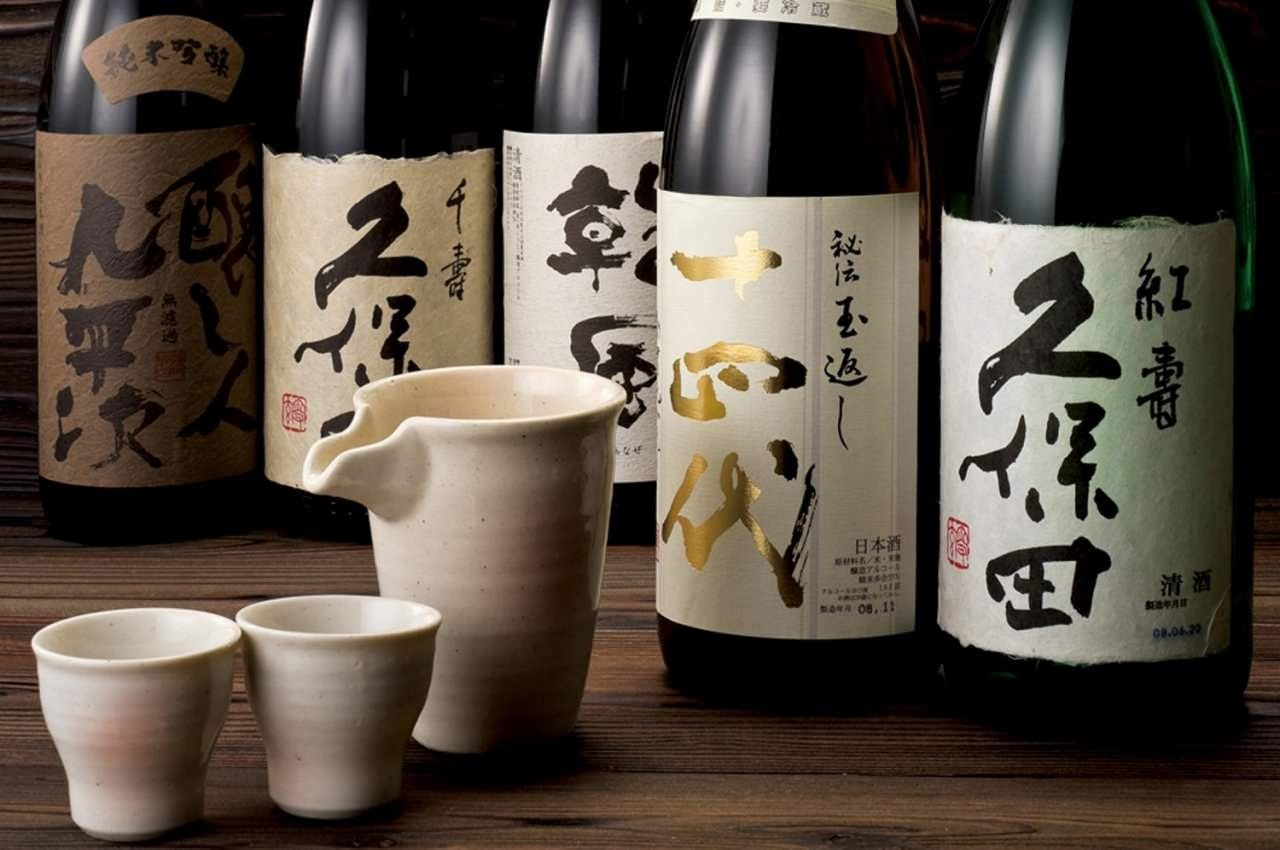
In Japan’s rich world of traditional alcoholic beverages, doburoku, a cloudy, unrefined rice-based drink, is making a quiet resurgence. This ancient drink, dating back centuries, is often seen as the precursor to modern sake and has a murky, opaque appearance due to its production process. Unlike refined sake, which goes through a multi-step fermentation with carefully layered ingredients, doburoku’s simplicity involves mixing rice, koji (a type of fungus used in brewing), water, and yeast together in one step. This creates a sweeter, lower-alcohol drink due to the sugars that remain unbroken.

Heiwa Doburoku Kabutocho Brewery, a bar in Tokyo’s Nihombashi district, serves this revived beverage, offering visitors a rare opportunity to sample the historic drink and appreciate its cultural significance.

The Journey from Everyday Brew to “Moonshine”

Historically, doburoku was popular among farmers and Shinto priests, often brewed domestically due to its simplicity. In the Edo period, the drink was widespread; by 1855, nearly 500 doburoku producers operated in Edo (now Tokyo). But with Japan’s shift toward centralization during the Meiji period, homebrewing became subject to government control, and tax regulations gradually restricted its production.

By the end of the 19th century, the government fully outlawed doburoku as part of a broader ban on unlicensed alcohol, making it illegal in 1899. Homebrewing became forbidden as the government aimed to bolster its finances through taxes on regulated alcohol production, relegating doburoku to the status of “moonshine” or mitsuzoushu. However, doburoku maintained a presence, particularly in Shinto rituals, and gained a parallel in the Korean rice wine, makgeolli, which offered a similar unrefined taste and texture.

Reviving a Forbidden Tradition

Though still banned from home production, doburoku saw a revival in 2003 when the Japanese government permitted inns and restaurants in select regions with slower economic growth to brew and sell it legally. This deregulation allowed doburoku to re-enter the market under strict guidelines, drawing curiosity and sparking renewed appreciation for the historic drink. As of 2021, nearly 200 establishments in Japan are licensed to produce and sell doburoku, allowing locals and tourists alike to savor this forgotten aspect of Japanese culture.