Yazılar

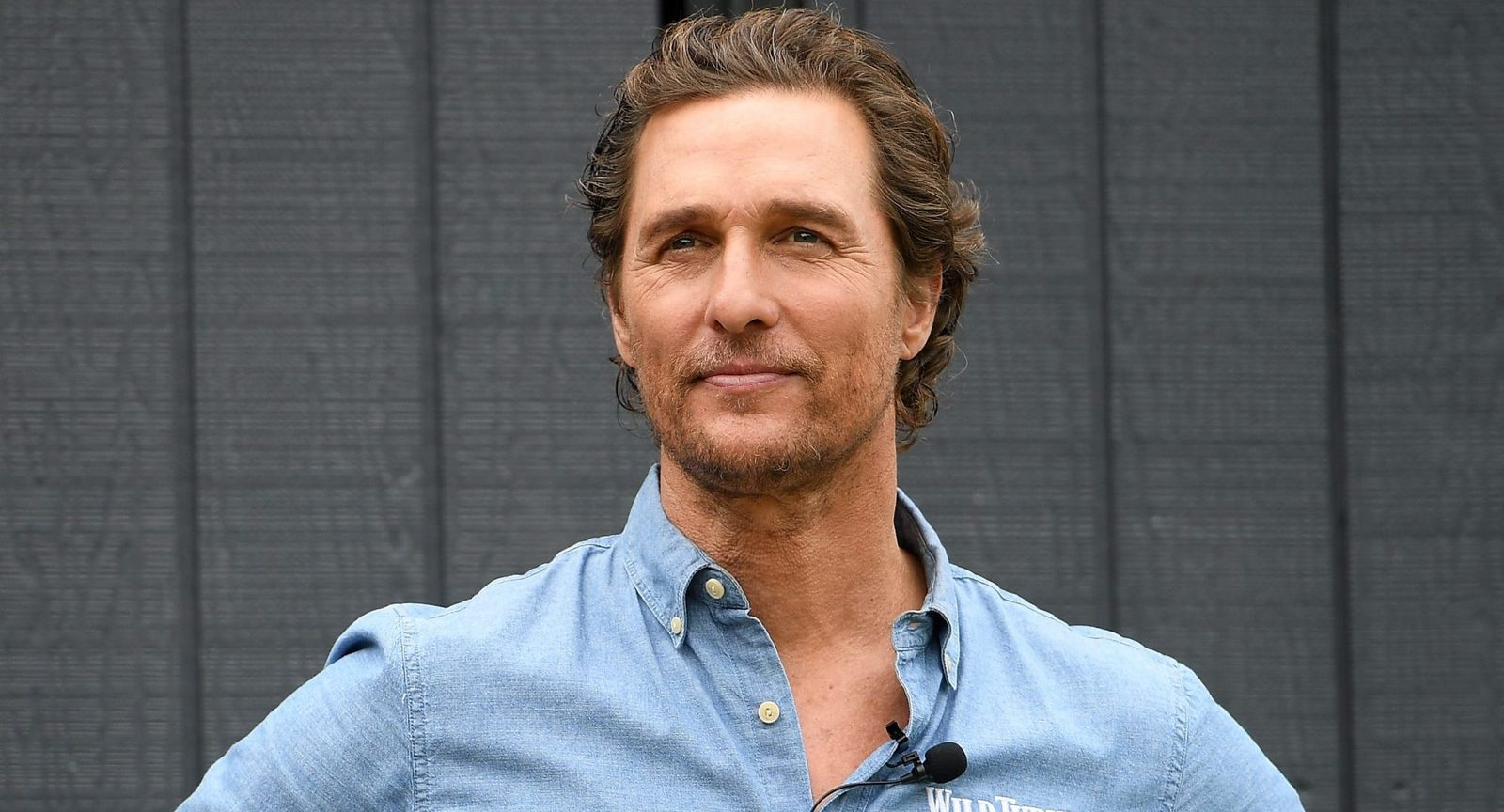
Matthew McConaughey on Turning Down Millions for Happiness: “The Residuals Decline on Quality of Life”

Matthew McConaughey recently shared insights on his decision to prioritize personal fulfillment over financial gain, highlighting a perspective on wealth that he believes doesn’t necessarily equate to happiness. Speaking on the Modern Wisdom podcast, the 55-year-old actor discussed why he values a more meaningful “profit” in life, rather than just accumulating wealth.

McConaughey pointed out that while society often equates money and fame with success, he disagrees. “Right now, money, fame, that’s the definition of success,” he said. “Whoever has more, you’re the winner.” For him, however, true profit is measured in personal contentment and purpose rather than the numbers in his bank account. “Profit does pay you back,” he explained, but it’s about the broader rewards in life, not just financial returns.

The actor recalled witnessing how some individuals, despite their wealth, were unhappy due to an endless pursuit of money without meaningful relationships or purpose. “They were good at it,” he said of those who chase financial success, “but they couldn’t necessarily say what they were good at.”

McConaughey’s commitment to finding joy and fulfillment over wealth is reflected in his career choices. After a successful run of romantic comedies, he reached a point in 2012 when he felt the need to step back from those roles, even if it meant giving up lucrative opportunities. “I decided to sit out, and I had to endure for a while,” he explained. When presented with a $15 million offer to star in a Magnum, P.I. film in 2008, McConaughey turned it down, opting instead to pursue projects that aligned with his passion.

This decision led him to take a significantly lower paycheck—less than $200,000—for Dallas Buyer’s Club, a role that would ultimately win him an Academy Award and bring a deeper sense of purpose to his career. Reflecting on this choice, McConaughey said he doesn’t miss the millions he could have earned. “Would I be any less happy if I had a 50th of what I have right now? No,” he said, adding, “The residuals decline on quality of life.”
 

Kate Winslet Reunites with ‘Titanic’ Violinist While Producing New Film ‘Lee’

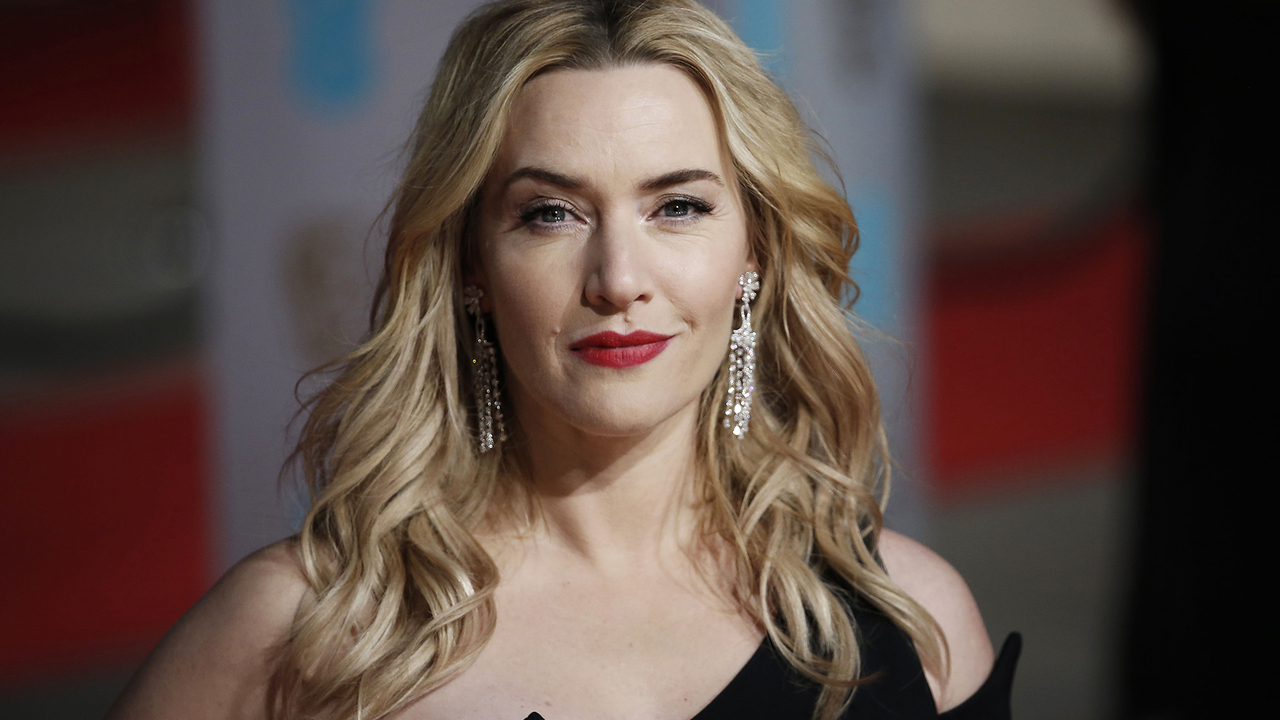
Kate Winslet recently experienced a nostalgic and unexpected reunion with a fellow Titanic cast member while working on her latest film, Lee. During an appearance on The Graham Norton Show, Winslet shared the heartwarming encounter that took place while overseeing the film’s scoring session in London.

In Lee, Winslet stars as Lee Miller, a former model who became a pioneering war photographer during World War II. The film also marked a new milestone in Winslet’s career as she took on the role of a full producer for the first time, a role that required her involvement throughout the entire production process, including the post-production scoring.

Winslet recalled that while attending the recording session for Lee‘s score with a 120-piece orchestra, she noticed a familiar face among the violinists. At first, she couldn’t quite place him, wondering if he was a distant relative or someone she had met elsewhere. “I’m looking at this violinist, and I thought, ‘I know that face!’” she recounted. Other musicians in the orchestra pointed towards him, silently mouthing, “It’s him!”

After some curiosity-filled moments, Winslet approached the musician, and to her delight, discovered that he was one of the violinists who played in Titanic’s iconic band scene as the ship sank in James Cameron’s 1997 blockbuster. Winslet described the encounter as “wonderful,” saying it brought back fond memories. “We had so many moments like that in the film, where people I’ve either worked with before or known for a long time… just showed up for me, and it was incredible.”

Released in late September, Lee is now available to stream on AppleTV+ and Amazon Prime, where fans can watch Winslet bring another powerful role to life.


Al Pacino Reveals He Nearly Died of COVID-19 and Shares His Thoughts on the Afterlife

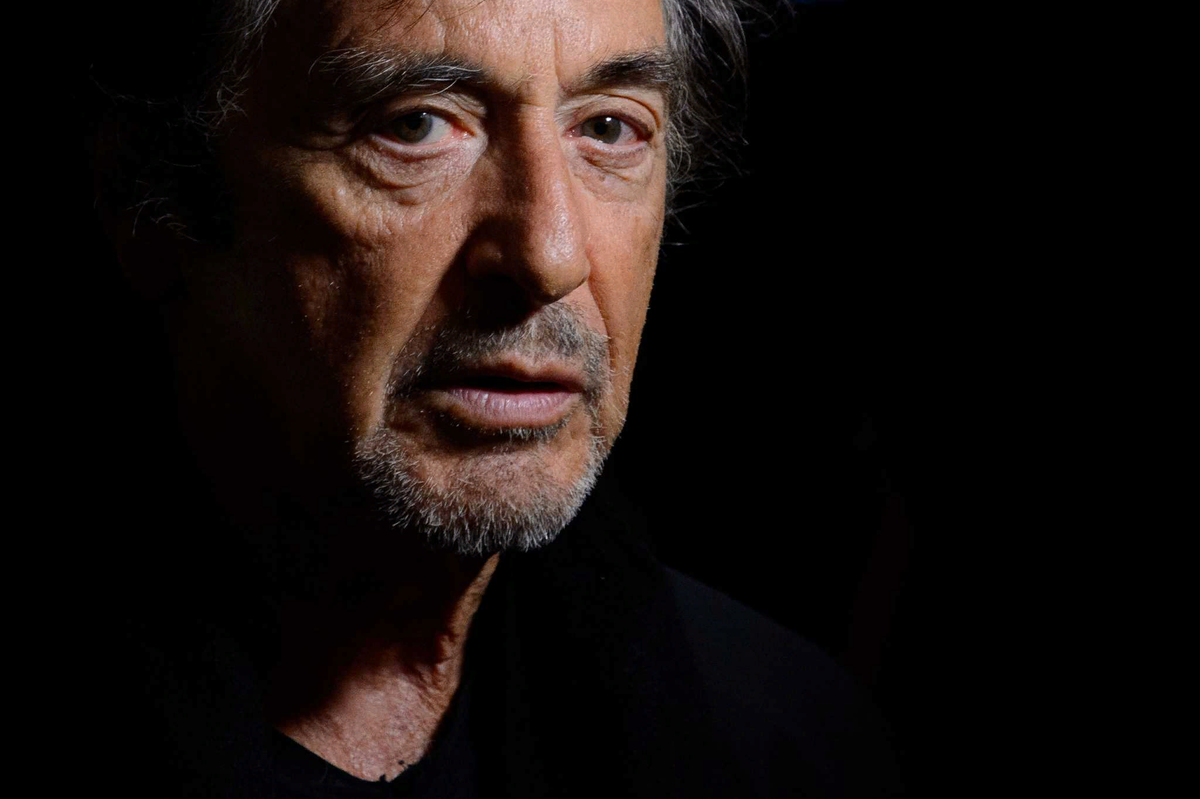
Al Pacino recently disclosed that he nearly died after contracting COVID-19 in 2020 and reflected on his near-death experience, offering insights into his thoughts on the afterlife. The 84-year-old Oscar-winning actor opened up in interviews with The New York Times and People magazine, sharing the harrowing details of his brush with death.

In a candid conversation with The Times, Pacino recalled feeling “unusually not good” after developing a fever and severe dehydration. He then described the moment when his pulse vanished. “I was sitting there in my house, and I was gone. I didn’t have a pulse,” Pacino recounted. He said that he briefly lost all sensation and memory, describing the experience as a “strange porridge” of nothingness.

Pacino was quickly revived when paramedics arrived at his home. He recalled the surreal moment when he opened his eyes to find six paramedics and two doctors surrounding him, wearing full protective gear. “It was kind of shocking,” he said, adding that they confirmed his revival by stating, “He’s back. He’s here.”

In his interview with People, Pacino recalled waking up feeling confused and unaware of what had transpired. He pondered whether he had actually died, despite everyone around him believing he had passed away. “I thought I experienced death. I might not have,” he admitted, but acknowledged, “I know I made it.”

Pacino credited his “great assistant” for contacting paramedics immediately when his nurse reported that he had no pulse, a move that likely saved his life.

Although the actor survived the ordeal, he confessed that it didn’t change his approach to life. “Not at all,” he told People when asked if the health scare had influenced his lifestyle. However, the event did leave him pondering deeper metaphysical questions about existence and death.

Preparing for his role in an upcoming movie adaptation of Shakespeare’s King Lear, Pacino reflected on his brief encounter with mortality. He explained that, unlike many who report near-death experiences involving white lights or spiritual visions, he saw nothing. Quoting Hamlet, Pacino said, “‘To be or not to be’; ‘The undiscovered country from whose bourn, no traveler returns.’ And he says two words: ‘no more.’ It was no more.”

Pacino’s near-death experience and his reflections on life, death, and the afterlife are further detailed in his forthcoming autobiography Sonny Boy, set for release on Tuesday.