Fossilized Footprints Reveal Ancient Encounter Between Two Human Species
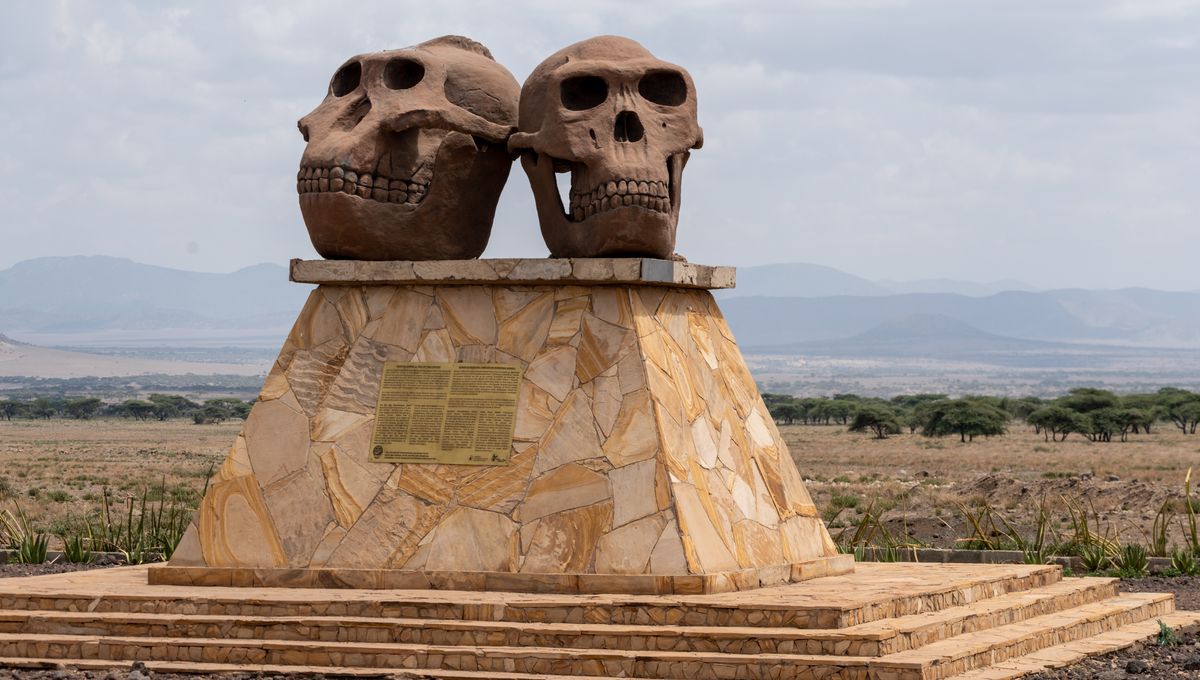
A remarkable discovery in Kenya has provided rare evidence of two distinct species of ancient humans crossing paths more than 1.5 million years ago. The fossilized footprints, preserved in the mud of a lakeshore, offer a snapshot of a moment in history when Homo erectus and Paranthropus boisei may have shared the same landscape, possibly interacting with each other.
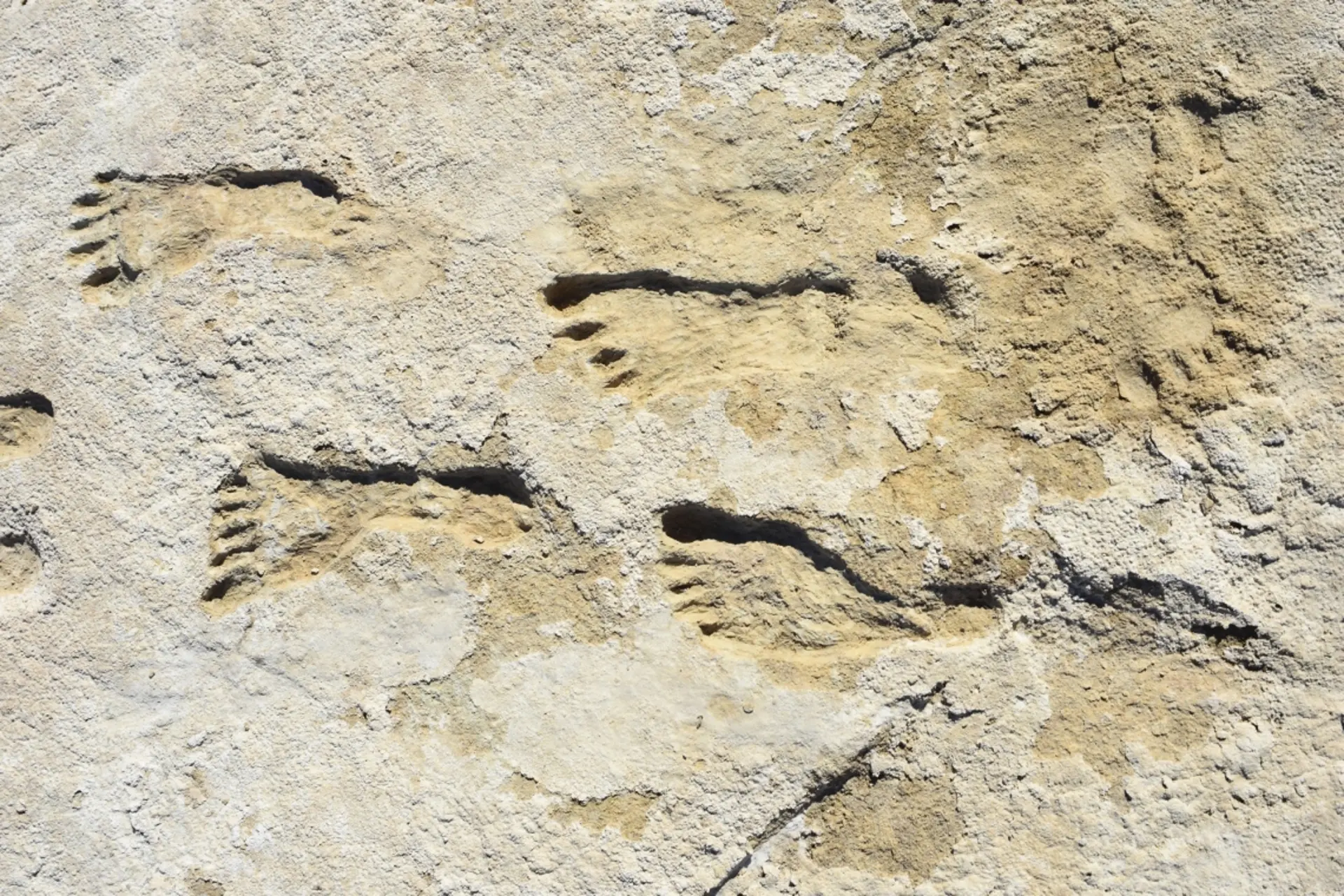
This extraordinary find, published in the journal Science, was made at Koobi Fora, located on the eastern shore of Lake Turkana. The discovery was made during excavations in 2021 and 2022, where researchers unearthed 23 square meters (248 square feet) of sediment containing 11 hominin tracks, alongside tracks of large birds and other animals. Among these footprints, one trackway of 12 footprints stood out, suggesting it was made by a single individual walking at a steady pace through the mud.
Kevin Hatala, an associate professor of biology at Chatham University and lead author of the study, remarked on the surprising nature of the find. “It’s remarkable that two similarly sized, large-bodied hominin species coexisted in the same environment,” Hatala said. “They were likely aware of each other and could have interacted.”
The Discovery and Preservation of Footprints
The first footprint was discovered in July 2021, and after initial excavation, the site was carefully reburied to preserve its integrity. Further excavation the following year uncovered additional tracks, providing clear evidence of hominin activity at the site. The footprints were found to be unusually well-preserved, likely due to the soft, fine mud and sediment that covered them shortly after they were made. The lack of cracking or erosion suggests that the tracks were imprinted within hours or a few days of one another.
Despite not being able to directly date the footprints, the researchers were able to date the layers of volcanic ash found nearby, which were determined to be approximately 1.52 million years old. This places the footprints in a similar time frame.
Hominin Species Identified
Through detailed analysis of the footprints, the researchers identified that the tracks were made by two different species of hominins: the larger-bodied Homo erectus and the smaller-brained Paranthropus boisei. The long trackway with 12 footprints is believed to have been made by a member of P. boisei, while three scattered footprints were attributed to Homo erectus.
Hatala, who is an expert in foot anatomy, conducted a detailed comparison of the prints with those of modern humans and other ancient hominin species. The results revealed distinct patterns in gait, stance, and motion, allowing him to differentiate between the two species. While the Homo erectus footprints closely resembled those of modern humans, the P. boisei tracks displayed a different pattern, likely due to the species’ distinct anatomy and diet.
A Rare Glimpse into Ancient Interactions
The footprints provide a rare glimpse into a period when Homo erectus and Paranthropus boisei may have shared a habitat. Hatala suggested that the two species coexisted in the same area for an extended period—possibly over 100,000 years—with little evidence of direct competition. Instead of driving each other away, the species may have adapted to share the same resources, navigating a landscape populated by dangerous animals such as crocodiles and hippos.
This discovery adds to the growing body of evidence that early human species were capable of living in close proximity without necessarily competing for the same resources. “This find offers the first physical proof that different hominin species overlapped in the same time and space, possibly avoiding each other or coexisting peacefully,” Hatala explained.