Yazılar

Rescuers Continue Search for Survivors in North Carolina Mountains After Devastating Hurricane Helene

Rescue operations intensified on Tuesday as teams combed the mountainous regions of western North Carolina, desperately searching for survivors cut off by the destruction caused by Hurricane Helene. The storm, one of historic magnitude, has left at least 162 people dead across several southeastern U.S. states, with the toll expected to rise as rescue teams gain access to isolated areas.

North Carolina has been hit hardest, particularly Buncombe County, where the death toll rose to 57 on Tuesday. Asheville and the surrounding mountainous regions bore the brunt of the hurricane, as washed-out roads, collapsed bridges, and downed power lines have left many communities inaccessible.

U.S. Homeland Security Secretary Alejandro Mayorkas described the recovery as a “multibillion-dollar undertaking” that could take years. President Joe Biden pledged federal support to accelerate the recovery, acknowledging the urgency of the situation as hundreds remain unaccounted for.

Search Efforts and Tragic Losses The North Carolina National Guard has already rescued over 500 people, using helicopters to ferry in supplies and evacuate survivors. One of the many tragic stories to emerge was that of David Carver, 58, who was killed in a mudslide while trying to protect his home in Linville Falls. Despite a heroic 11-hour rescue attempt by his lifelong friend Ken Fisher, Carver succumbed to his injuries in the hospital.

A “5,000-Year Event” Meteorologists have called the event a rare “5,000-year storm.” Tennessee climatologist Andrew Joyner explained that the combination of a pre-existing storm and Hurricane Helene created the perfect conditions for unprecedented precipitation in the Appalachian mountains, devastating communities like Swannanoa and Black Mountain.

Challenges Ahead Power outages remain widespread, with 420,000 homes in North Carolina still without electricity, down from a peak of 1 million. Emergency services are warning that recovery will be long and arduous, with many areas still without access to clean drinking water and other essential services.
 

Hurricane Helene Leaves Over 90 Dead, Widespread Destruction Across Southeastern U.S.

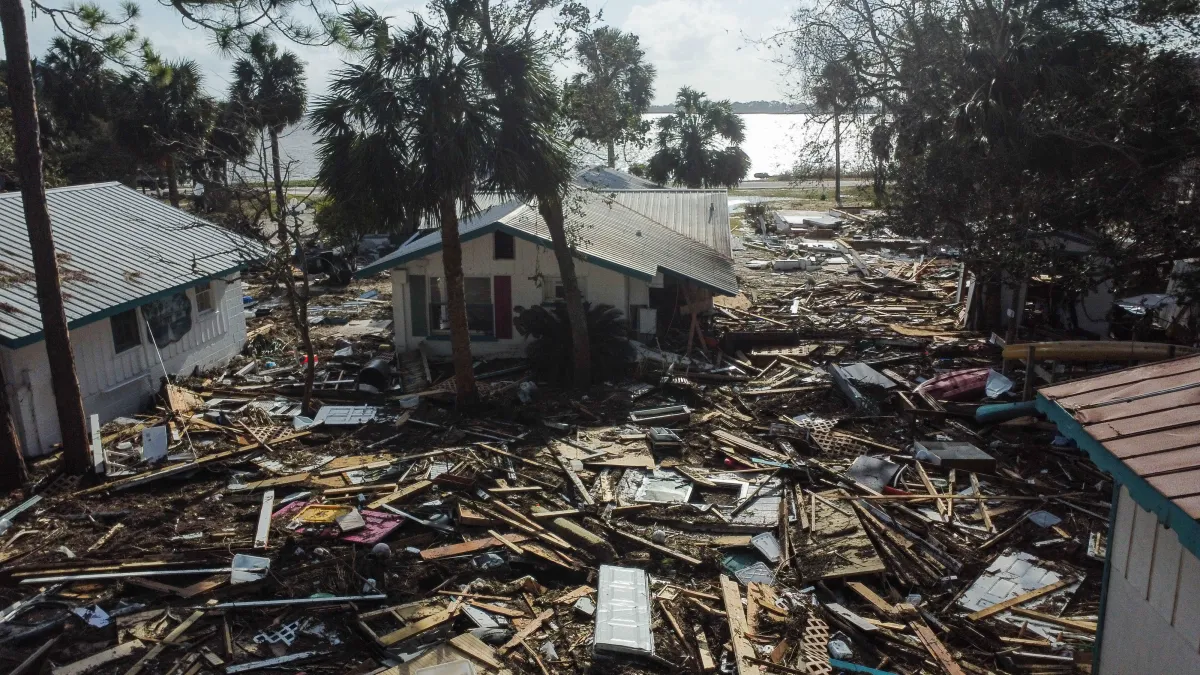
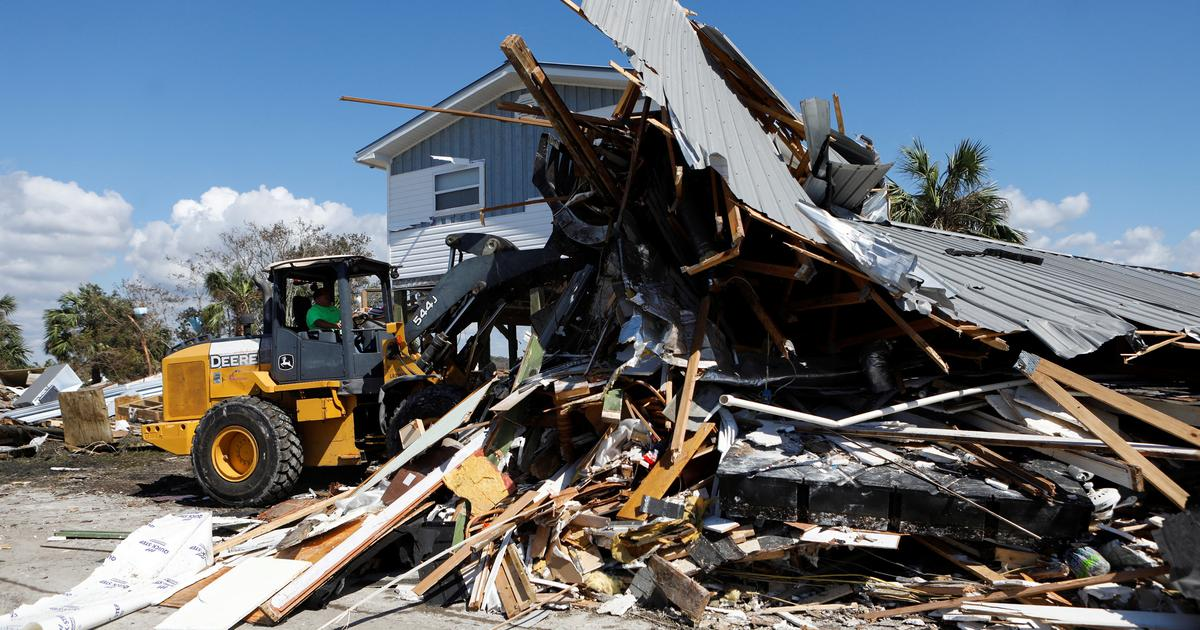
The Southeastern United States is facing a massive cleanup and recovery operation after Hurricane Helene ravaged the region, leaving at least 90 people dead and causing widespread damage. The storm, which brought powerful winds, torrential rain, and destructive storm surges, impacted states from Florida to Virginia, knocking out power for millions, washing away roads and bridges, and causing severe flooding.

As of Sunday, officials in North Carolina, South Carolina, Georgia, Florida, Tennessee, and Virginia confirmed 90 fatalities, with fears that more bodies could be discovered as search and rescue efforts continue. Buncombe County in North Carolina was hit particularly hard, with 30 confirmed deaths. County Manager Avril Pinder has requested emergency food and water, as parts of Asheville remain submerged. North Carolina Governor Roy Cooper described the event as a catastrophe of “historic proportions,” with many in western North Carolina claiming they’ve never experienced such destruction.

Across the region, around 2.7 million people were left without power, though that number had decreased by 40% from Friday’s peak. Major infrastructure damage has delayed recovery efforts, and in Flat Rock, North Carolina, residents queued for hours for gas amidst widespread blackouts.

In South Carolina, 25 deaths were reported, Georgia had 17, and Florida confirmed 11 fatalities. President Joe Biden plans to visit the devastated areas later in the week to offer federal recovery assistance after declaring major disasters in several states. He referred to the damage as “stunning,” pledging long-term support.

Hurricane Helene first made landfall on Florida’s Gulf Coast late Thursday, causing extensive damage. Coastal areas, including Horseshoe Beach, saw entire homes destroyed. Charlene Huggins, a resident of Horseshoe Beach, returned to the remains of her family’s home, which had housed five generations. “It just breaks your heart,” she said, holding a treasured family heirloom.

Further along the coast in Steinhatchee, an eight to 10-foot storm surge pushed mobile homes from their foundations, with some areas experiencing surges up to 15 feet. Residents of the small fishing community Spring Warrior Fish Camp were still waiting for emergency aid as they began to sift through the wreckage. David Hall, a local hotel owner, expressed the isolation many feel, saying, “No one thinks of us back here.”

In neighboring Keaton Beach, Kristin Macqueen helped friends salvage what they could after their home was destroyed. “It’s complete devastation,” she said. “Houses have just been ripped off their slabs.”

Republican presidential candidate Donald Trump plans to visit Valdosta, Georgia, to assess the damage and assist with relief efforts.

Hurricane Helene Slams Florida, Bringing Fears of Devastating Damage and Fatalities

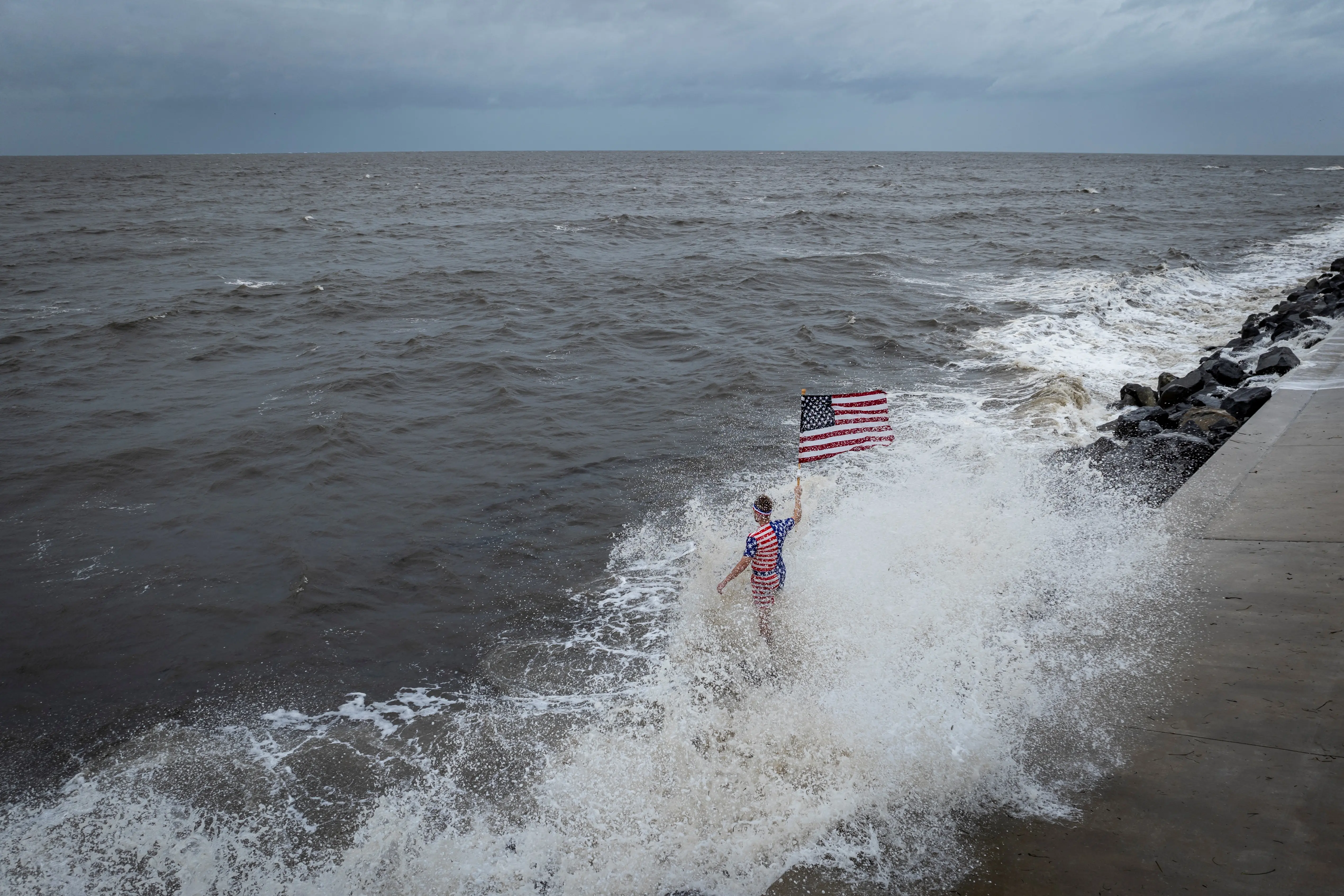
Hurricane Helene made landfall late Thursday in Florida’s Big Bend region as one of the most powerful storms to hit the state in recent years. Packing sustained winds of 130 mph (209 kph), Helene, a Category 4 hurricane, has sparked widespread fears of catastrophic damage, fatalities, and extreme flooding, exceeding the levels seen in prior storms.

Even before making landfall, Helene wreaked havoc along Florida’s Gulf Coast, flooding large areas and leaving over 1 million people without power. State officials have issued urgent evacuation orders, warning that the storm’s surge—a dangerous wall of seawater driven inland by hurricane-force winds—could rise as high as 20 feet (6.1 meters), equivalent to the height of a two-story building. National Hurricane Center Director Michael Brennan described the situation as “unsurvivable” in some areas, with floodwaters potentially destroying homes and carrying vehicles.

The storm is already lashing Georgia, South Carolina, parts of North Carolina, and Tennessee with strong rain bands. In response, Atlanta, despite being hundreds of miles from Florida’s coast, has been placed under a tropical storm warning. The extreme rainfall is expected to exacerbate flooding across multiple states, while also threatening Georgia’s cotton and pecan crops, both of which are in the middle of their harvest season.

Florida Governor Ron DeSantis reported the first confirmed fatality on Thursday, though details were not immediately provided. Officials have drawn comparisons between Helene and last year’s Hurricane Idalia, which submerged 1,500 homes in low-lying areas. Already, water levels are rising in Pinellas County, where swamped roads and beachside flooding have been reported.

The storm has caused widespread disruption, with airports in Tampa, Tallahassee, and St. Petersburg suspending operations. As Helene moves inland, it is expected to remain a hurricane while passing through Macon, Georgia, and could bring over 12 inches (30.5 cm) of rain in its path, posing a severe threat to both rural and urban areas.

Despite mandatory evacuations, not all residents chose to leave. In Dunedin, Florida, just west of Tampa, 58-year-old Ken Wood, a ferry operator, decided to stay put with his 16-year-old cat, Andy. “We’re under orders, but I’m staying here. The storm looks like it’ll be a bit west of us, but who knows? It’ll be interesting, to say the least,” Wood said.

Taylor County authorities took more drastic measures, advising those who refused to evacuate to write their names and birth dates on their arms in permanent ink in case they needed to be identified posthumously. Meanwhile, reinsurance broker Gallagher Re estimates private insurance losses from Helene could total $3 to $6 billion, with additional losses to federal insurance programs potentially reaching $1 billion.

Energy production sites along the Gulf Coast have scaled back operations and evacuated staff to mitigate risk. Deanne Criswell, the Federal Emergency Management Agency (FEMA) director, announced that she would be traveling to Florida to assess the damage on Friday. According to the National Hurricane Center, Helene could dump as much as 15 inches (38.1 cm) of rain in some areas, raising the risk of flash floods and prolonged power outages due to downed trees and blocked roads.