Yazılar

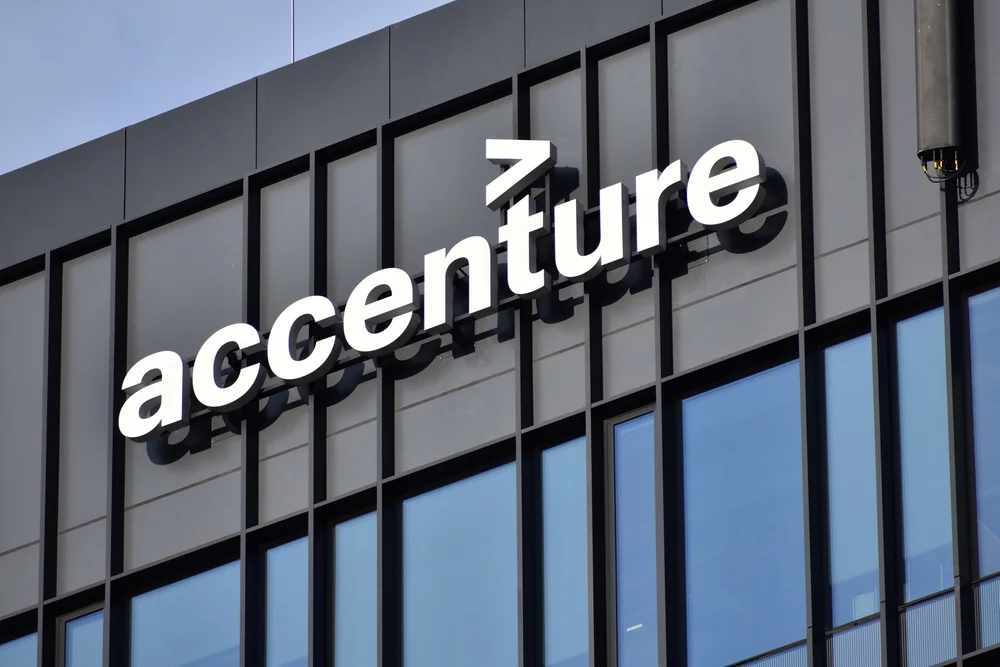
Accenture Faces Federal Contract Slowdown Amid U.S. Spending Cuts

Accenture reported delays and cancellations of federal contracts due to the Trump administration’s cost-cutting measures, leading to a more than 6% drop in its share price on Thursday. The administration’s Department of Government Efficiency (DOGE), led by Elon Musk, has been aggressively reducing spending and shrinking the federal workforce, impacting consulting firms like Accenture.

The U.S. General Services Administration has directed agencies to review and cancel non-essential contracts, slowing down new procurement actions and negatively affecting Accenture’s sales and revenue. The company’s federal services unit, which made up 8% of its total revenue in 2024, has been hit particularly hard by these measures.

DOGE’s aggressive policies—including rapid workforce reductions and contract cancellations—have sparked criticism, lawsuits, and uncertainty about the long-term impact on government operations. Meanwhile, President Trump is set to sign an executive order to shut down the Department of Education, a move that has already affected IBM, a key vendor for the department, causing its shares to drop 4%.

Accenture’s new bookings, a key indicator of future revenue, fell 3% to $20.9 billion in Q2. Its consulting services segment, which contributes 59% of revenue, posted $8.3 billion, missing analyst expectations of $8.54 billion. However, the company slightly raised its annual revenue growth forecast to 5%-7%, up from 4%-7%.

Salesforce to Invest $500 Million in AI Ventures in Saudi Arabia

Salesforce announced on Monday that it plans to invest $500 million in artificial intelligence (AI) initiatives in Saudi Arabia, underscoring the country’s competitive push to attract critical tech investments. The investment will be a key part of Salesforce’s efforts to introduce its Hyperforce platform architecture in the region, leveraging a strategic partnership with Amazon Web Services (AWS).

The announcement comes amid a global surge in AI investments, as countries ramp up efforts to become leaders in the fast-growing technology. This trend follows a shift in regulatory approaches, particularly after U.S. President Donald Trump overturned an executive order that sought to impose restrictions on AI advancements.

In addition to launching Hyperforce, Salesforce will collaborate with major global firms such as Capgemini, Deloitte, Globant, IBM, and PwC to expand the use of its AI product, Agentforce, which is designed for customer service agents. Another key aspect of the plan includes offering Arabic language support for Salesforce’s AI product suite, aiming to make the technology more accessible to local businesses.

Salesforce made this announcement at Saudi Arabia’s global tech event, LEAP 2025, where the country secured $14.9 billion in AI investments. Earlier in the month, Salesforce also revealed plans to establish a regional headquarters in Riyadh and to upskill 30,000 Saudi citizens by 2030, further cementing its commitment to fostering AI growth in the region.

IBM Surpasses Profit Estimates in Q4 as AI and Software Drive Growth

IBM (IBM.N) exceeded fourth-quarter profit forecasts on Wednesday, bolstered by strong demand in its software division as businesses increased IT spending. This growth, driven by a shift toward cloud infrastructure and the adoption of generative artificial intelligence technology, sent IBM’s shares soaring by approximately 10% in after-hours trading.

The company’s software segment saw its largest revenue increase in five years, benefiting from the heightened focus on AI-driven cloud solutions. Analyst Matt Swanson of RBC Capital Markets noted that increased software growth is associated with higher profit margins.

IBM also raised its outlook for fiscal 2025, forecasting revenue growth of at least 5% at constant currency, compared to 3% growth in 2024. This projection indicates confidence in IBM’s AI and cloud strategy, according to Michael Schulman, chief investment officer at Running Point Capital.

IBM’s “AI Book of Business” — a combination of bookings and actual sales across various AI products — reached over $5 billion, a $2 billion increase from the third quarter. The company made its “Granite” AI models open-source in May, positioning itself differently from competitors like Microsoft (MSFT.O), which charge for access to their AI models. This approach mirrors the strategy of DeepSeek, a Chinese startup that launched a free AI assistant, raising concerns over U.S. tech dominance.

Despite this, IBM’s Chief Financial Officer, James Kavanaugh, did not provide details on whether IBM intends to offer DeepSeek’s models on its Watsonx platform, which helps users deploy chatbots and other AI tools.

On the downside, IBM’s consulting division, which dominates its AI business, experienced a 2% decline in revenue, totaling $5.2 billion for the quarter. The focus on long-term AI integration consulting projects has yet to reflect in revenue figures. Overall, IBM’s total revenue remained flat at $17.55 billion for the quarter, aligning with analyst expectations. The company reported adjusted per-share earnings of $3.92, surpassing the forecast of $3.75.